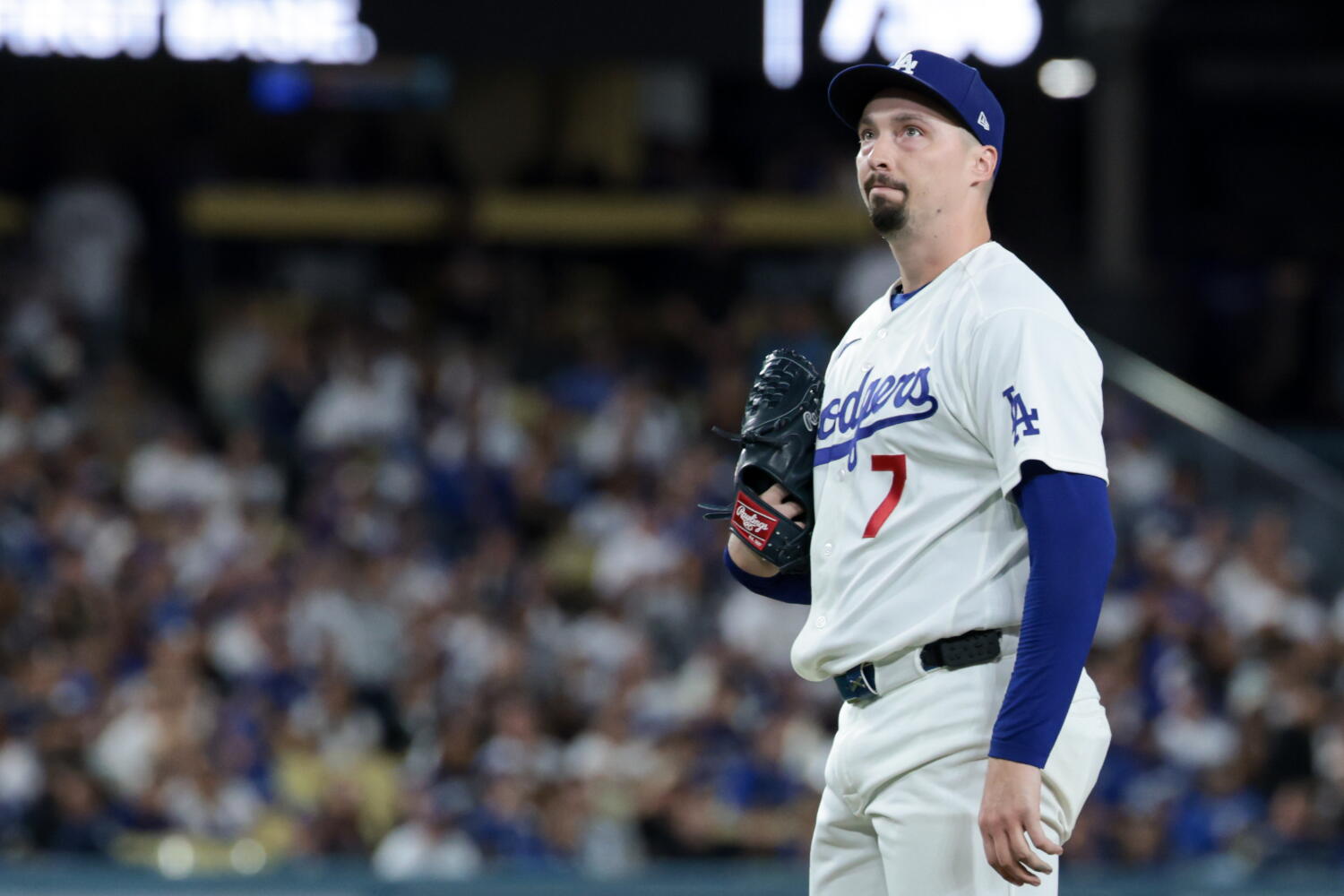
Everyone is celebrating like the Los Angeles Rams just pulled off a cap-room miracle because hearing officer Derrick Brooks knocked Alaric Jackson's suspension down from two games to one.
Wake up. That relief is a mirage.
When a left tackle takes a swing at Bradley Chubb after a Monday night overtime loss to the Buffalo Bills, gets hit with a two-game ban for unsportsmanlike conduct, and wins an appeal that trims it to a single game against the Arizona Cardinals, standard sports wire coverage treats it as a win. One game instead of two. Jackson is back for the Las Vegas Raiders. Crisis averted, right?
Wrong. Completely wrong.
The Lazy Consensus Around One-Game Bans
The lazy consensus in modern NFL reporting goes like this: A starter misses fewer games, therefore the team benefits. It is the same toddler-level math that makes front offices pat themselves on the back every time a disciplinary ruling gets shaved by a week.
In front-office war rooms and coaching film sessions, I have watched teams blow millions on talented players who kept costing them margins in the exact spots where games actually get decided. Talent on paper means nothing when availability and discipline are treated as optional extras.
Let us define the terms precisely before anyone hands out participation trophies. Availability is not merely the number of Sundays a player dresses; it is the reliability of a high-leverage position across an entire season. For an offensive tackle—specifically a blindside protector signed to a three-year, $57 million extension in February 2025—missing time for avoidable discipline is a self-inflicted tax on every play call. Recidivism risk in NFL discipline is not just about whether the league calls a player a repeat offender on a single clause of the rulebook. It is about a pattern of avoidable absences and off-the-clock or post-whistle volatility that forces a coaching staff to shrink its playbook.
Look at the track record around Jackson rather than treating the punch in isolation. He has missed games in each of the last four seasons as a starter, including a two-game personal conduct suspension in 2024 and a college suspension back at Iowa in 2018. When a player keeps creating reasons to watch from the sideline, a one-game reduction does not cure the disease. It just lowers the fever for seven days.
You Are Asking the Wrong Question About the Appeal
Fans and beat writers keep asking: Did the NFL go too easy or too hard on Jackson?
That is the wrong question. The NFL's appeals process is a black box with its own political incentives—hearing officers weigh precedent, optics, and union pushback every single week. Arguing over whether a postgame punch deserves twenty-four hours or forty-eight hours of missed pay misses the point entirely.
The real question for Sean McVay and Les Snead is much harsher: What does losing your starting left tackle for even one divisional game actually do to an offense built on timing, play-action, and clean protection?
Consider how quickly protection breakdowns compound when a swing or veteran replacement steps in cold. When the Rams had to patch left tackle against Arizona in 2024 with Warren McClendon, pass rushers took advantage and the game unraveled into a 41-10 blowout. Even when veterans fill in, a single missed game changes how a coordinator calls third-and-long and how quickly a quarterback feels phantom pressure.
Imagine a scenario where a coach tells his offensive line room all training camp that poise after the whistle separates contenders from pretenders, and then a high-paid veteran throws a punch on national television in front of the cameras and gets rewarded with a lighter penalty on appeal. Even if the player comes back the following week, the standard in the locker room has quietly shifted. Accountability gets fuzzy when discipline feels negotiable.
Addressing the "People Also Ask" Premises
Does a reduced suspension save the Rams' season?
No. A single game against an NFC West opponent like Arizona is never "just one game" in a tight playoff race. Divisional games carry tiebreaker weight and emotional baggage. If the offense sputters or loses a close one—the exact kind of razor-thin margin seen in overtime heartbreaks or late-kick upsets—a one-game absence hurts plenty. Calling a one-game suspension a save only makes sense if your bar is on the floor.
Is David Quessenberry enough to bridge one game?
Veteran depth like David Quessenberry exists for a reason, and having a seasoned lineman who has started in the league beats throwing an undrafted rookie to the wolves. Still, competence in spot duty is not continuity. A veteran backup who has not been a regular starter recently has to adjust to game speed, communication calls, and elite edge rushers in real time. You can survive a week with steady execution, but you are asking your play-caller to walk a tightrope without a net.
Why didn't the NFL explain the reduction?
Leagues rarely publish a neat manifesto explaining why an appeals officer trims a suspension. Once the appeal is filed, arguments around context, prior discipline history, and league precedent happen behind closed doors. Analysts who pretend they know the exact formula inside Derrick Brooks's head are guessing—and guessing is no substitute for evaluating roster risk.
What Smart Front Offices and Coaches Actually Do Next
If I am running football operations or coaching that room, I do not treat the shortened suspension as good news. I treat it as a warning shot that came cheap.
- Game-plan to the replacement's strengths, not the starter's habits. Do not leave a veteran fill-in isolated on obvious dropbacks all afternoon. Use chips, max-protect wrinkles, quick rhythm throws, and movement to keep the pocket from collapsing on his side.
- Audit availability in the offseason extension math. Front-office evaluators like Les Snead—and smart cap strategists across the league—have to weigh availability alongside tape when committing multi-year money. A tackle who plays well when healthy still carries hidden cost if discipline or absences keep interrupting continuity.
- Set a hard internal boundary on post-whistle retaliation. Coaches love toughness, right up until a player swings after the play is dead and hands the opponent a gift. Make the consequence inside the building clear even when the league office cuts a break.
Where This Contrarian Take Can Backfire
Let us be honest about the downside of pushing this argument too hard. In a salary-cap league where quality left tackles rarely hit free agency and cost top dollar when they do, overreacting to every disciplinary hiccup can cause a team to panic or undervalue a genuinely capable starter. Getting Jackson back after one missed Sunday instead of two is objectively better for the immediate stretch run than losing him for half a month. If a team turns a one-week absence into an existential crisis, it risks creating drama where a calm, businesslike week of preparation would have sufficed.
Still, calm preparation does not mean pretending everything is fine. The appeal shaved a game off the sentence, not a single flaw off the risk profile.
Do not celebrate the discount—fix the discipline before it costs you when the stakes actually bite.