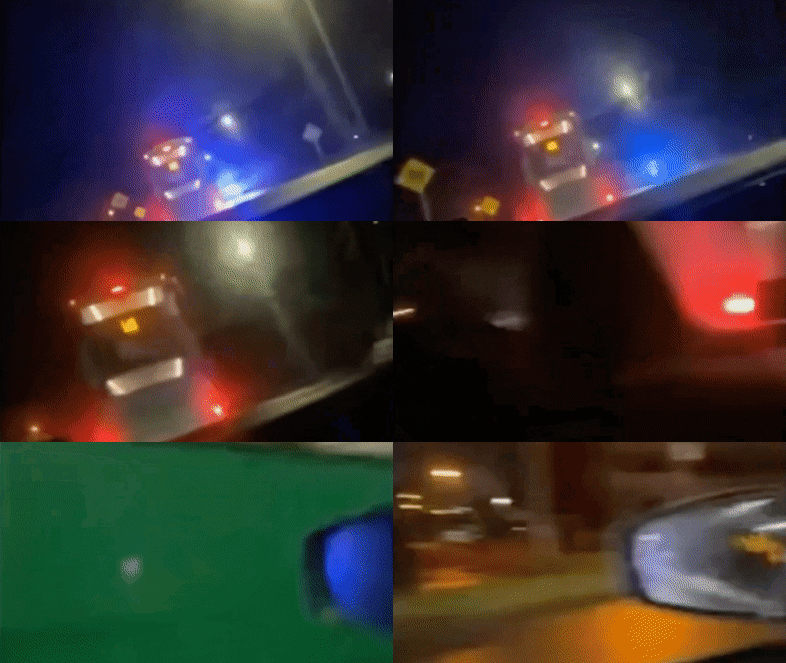
The glow does not come from the sun. It never does at two in the morning. It emanates from a six-inch rectangle of glass, casting a cold, blue sheen across the interior of a stolen sedan. The tires shriek against the asphalt, a sound of metal protesting against physics, but inside the cabin, the primary soundtrack is the rhythmic, mechanical ping of notifications stacking up in real time.
Three hundred viewers. Then a thousand. Then ten thousand.
I remember the smell of scorched brake pads the first time I stood too close to the edge of a midnight intersection. It smells like copper and burnt rubber, a sharp metallic tang that sticks to the back of your throat long after the smoke clears. To the teenagers behind the wheel—kids trading the quiet dread of ordinary futures for the electric validation of an anonymous audience—that smell is not a warning. It is perfume. It is the scent of being seen.
We have built a digital architecture that rewards the grotesque geometry of risk. When a platform measures your worth in views, heart icons, and algorithmic velocity, caution becomes an obsolete luxury. You do not think about braking distances or center of gravity when a live chat is scrolling by at fifty lines per second, chanting your name, begging you to go faster, to pull the handbrake harder, to push the needle past the point of return.
Consider the mathematics of modern contagion. A standard joyriding stunt takes less than ten seconds. In those ten seconds, a driver can cross four lanes of oncoming traffic, clip a curb, and turn a machine of steel into a weapon of mass destruction. Yet the digital afterlife of those ten seconds lasts for weeks. It loops on TikTok feeds, clipped and re-uploaded by aggregators who strip away the human cost and leave only the adrenaline juice for public consumption.
Look at the faces in the passenger seats of these viral videos. They are not hardened criminals. They are children with acne, wearing oversized hoodies, laughing with a hysterical, breathless pitch that reveals total detachment from reality. They are high on the most potent chemical known to the modern adolescent: sudden, unearned notoriety.
Behavioral scientists call this social proof amplification. I call it a slow-motion car crash filmed in high definition.
When you spend your formative years watching curated perfection on a screen, invisibility feels like a terminal illness. The quiet life of homework, part-time jobs, and stagnant wages looks less like safety and more like a cage. So they reach for the keys. They hotwire an old Honda or slide behind the wheel of a parent's SUV. They don't just steal a car; they steal a script where they finally get to be the main character, even if the final scene ends in a hospital ward or a courtroom.
The statistics are cold, but the wreckage is hot. Traffic safety agencies note a sharp spike in reckless driving citations tied directly to social media challenges over the past few years. Entire subcultures have emerged dedicated to finding the tightest corners, the blindest crests, and the most congested city streets to stage midnight drag races for digital clout. They map their routes not by scenic beauty, but by collision potential.
Police departments now have dedicated digital forensics units whose sole job is to scroll through TikTok at dawn, matching background landmarks against street signs to hunt down teenagers who posted their own indictments online. The irony is staggering. They document their own destruction with the meticulous pride of tourists filming a vacation.
I sat across from a youth counselor last autumn who tried to explain the psychology of it to me. He used a metaphor that has haunted me ever since. He said we have given children a megaphone and placed them on a tightrope, and then we act surprised when they start juggling chainsaws just to keep us from changing the channel.
The danger is not just physical. It is an erosion of empathy. When human suffering can be swiped away with a flick of a thumb, the person bleeding on the pavement ceases to be a human being and becomes merely low engagement. A bad metric. Content that didn't perform well.
We talk endlessly about digital literacy, about teaching kids how to spot phishing links and protect their personal data, but we rarely talk about emotional literacy. We rarely teach them how to sit with the crushing weight of being ordinary. We have failed to build a culture where a quiet, unfilmed life has inherent dignity.
So the sedans keep spinning out in the dead of night. The notifications keep pinging.
A phone lies cracked on the pavement, fifty feet away from the crumpled chassis of a car wrapped around a utility pole. The screen is still lit, displaying a live viewer count that continues to climb, ticking upward into the thousands, watching an empty street where nothing is happening anymore except the slow, steady hiss of leaking radiator fluid.