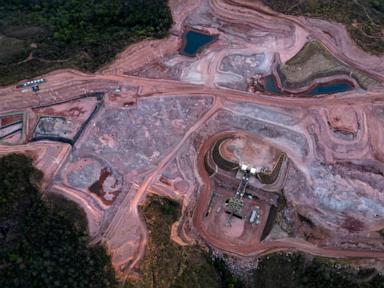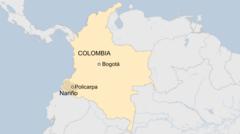
Thirteen workers died when an open-pit slope gave way at an informal gold mine in southwestern Colombia. Another seven people were injured. The disaster happened on a Wednesday night in a rural sector of Policarpa, located in the Nariño department.
Emergency crews, firefighters, and local residents worked through the night with heavy machinery to pull survivors and victims from the mud. Among the dead were four members of the same Indigenous family belonging to the Quillasinga community. About fifty people routinely worked at this specific site.
The Reality Behind Informal Mining Disasters
When headlines report an unlicensed Colombian gold mine disaster, outsiders often picture organized crime syndicates or massive rogue operations. The truth is far more localized and desperate. Thousands of families across rural regions rely on artisanal mining just to survive.
Official estimates suggest that hundreds of thousands of people participate in small-scale mineral extraction across Colombia. When formal employment doesn't exist, people dig. They use basic tools, heavy excavators, and unreinforced slopes. Safety controls are virtually nonexistent.
Fredy Gamez, the government secretary for the Nariño department, explained that active extraction work caused the slope to collapse directly onto the workers. Heavy earth-moving equipment had to be rushed to the rural village of Puerto Rico to dig through the unstable debris.
A Country Already Stretched Thin
This tragedy did not happen in a vacuum. It struck while Colombia was still reeling from a devastating 7.4 magnitude earthquake that hit the western region. That earlier natural disaster killed hundreds of people and left thousands injured. Emergency services remain stretched past their limits.
Mining accidents are a persistent crisis in the country. Earlier in the year, other fatal accidents struck coal and gold operations in departments like Cundinamarca. Unregulated sites lack ventilation, structural shoring, and geological oversight. A single miscalculated cut into a hillside can bring thousands of tons of earth down in seconds.
The Broader Economic Pressure
Illegal and informal mining serves as a major financial engine for armed groups and criminal factions operating in remote mountainous areas like Nariño. Armed groups control territory, tax the extraction, and launder the output through intermediaries to feed international markets.
For the average worker at the bottom of the chain, politics matter less than daily survival. International gold prices drive local rushes. People take massive risks because alternative incomes are scarce.
Local authorities continue to manage the aftermath of the Policarpa collapse, treating the injured in regional hospitals while families mourn their dead. Until rural economies offer viable alternatives to high-risk artisanal extraction, hillsides will keep collapsing.