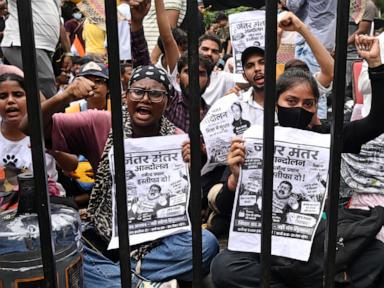
Western commentary loves a narrative about ragtag underdogs taking down monolithic power structures. When localized dissent bubbles up in India’s massive domestic market, overseas outlets rush to frame it through a simplistic lens: brave grassroots activists fighting an overreaching establishment. They paint a picture of romantic revolt.
They are dead wrong.
What most analysts mislabel as a spontaneous ideological awakening is usually something far more mundane and calculated: tactical economic friction disguised as political outrage. If you want to understand modern Indian protest dynamics, stop reading surface-level human interest profiles and start following the capital flows, regulatory bottlenecks, and shifting labor cartels.
The Lazy Consensus of Spontaneous Resistance
The standard narrative surrounding the so-called "Cockroach" dissidents follows a tired script. Mainstream coverage focuses on emotional rhetoric, social media hashtags, and symbolic public assemblies. It treats these movements as purely organic reactions to state pressure.
Having spent fifteen years advising international investors on South Asian regulatory risks, I have seen this movie dozens of times. A movement rarely sustains momentum on pure idealism. Dissent costs money. Logistical operations require infrastructure, legal defense funds, transport, and media amplification.
When you strip away the romantic slogans, three clear structural drivers emerge behind modern Indian street movements:
- Disrupted Informal Supply Chains: Regulatory shifts often threaten embedded, untaxed distribution networks. What looks like a fight for civil liberties is frequently an organized effort by market incumbents to protect informal profit margins.
- Intra-Elite Power Friction: Regional political factions leverage organized street presence as a bargaining chip when negotiating revenue-sharing models or policy carve-outs with the central government.
- Algorithmic Engagement Arbitrage: Digital-first protest movements manufacture artificial scale by exploiting engagement algorithms, turning minor localized disputes into global PR crises to force regulatory concessions.
By framing economic posturing as an existential battle for the soul of the nation, media outlets miss the actual board game being played.
The Mechanics of Organized Disruption
To understand how these groups operate, you have to throw out Western models of advocacy. In developed markets, interest groups rely on lobbying firms, PACs, and structured PR campaigns. In India, street leverage is the lobbying firm.
Imagine a scenario where a mid-sized logistics hub faces new compliance mandates designed to digitize inventory tracking. The compliance costs threaten to wipe out the margins of local transport brokers. Within forty-eight hours, those same brokers mobilize thousands of workers under the banner of preserving traditional livelihoods against corporate overreach.
The movement adopts a evocative name, adopts symbolic branding, and distributes pre-written talking points to international correspondents. The central narrative becomes a human-interest story about small operators fighting predatory modernization. Meanwhile, the actual negotiation happens behind closed doors, where leaders offer to clear the roads the moment the digital tracking mandate is delayed or diluted.
It is brilliant tactics. It is effective strategy. But it is not a pure ideological movement. It is market protectionism executed via civil friction.
+-------------------------------------------------------------------+
|                  THE DISRUPTION-TO-LEVERAGE LOOP                  |
|                                                                   |
|  [ Policy / Regulatory Shift ]                                    |
|                 │                                                 |
|                 ▼                                                 |
|  [ Threat to Informal Margin / Incumbent Market Share ]           |
|                 │                                                 |
|                 ▼                                                 |
|  [ Mobilization of Street Friction Under Symbolic Branding ]      |
|                 │                                                 |
|                 ▼                                                 |
|  [ International Media Amplification (Idealistic Narrative) ]     |
|                 │                                                 |
|                 ▼                                                 |
|  [ Closed-Door Regulatory Modification or Delay ]                 |
+-------------------------------------------------------------------+
Why Western Analysts Keep Getting It Wrong
The fundamental error international observers make is projecting Western socio-political frameworks onto South Asian political economy. They assume that public protest is a tool of last resort used by the powerless when institutional channels fail.
In reality, public mobilization in India is an integrated channel of institutional negotiation. It is part of the system, not an attempt to overthrow it.
When analysts call these movements "uncrushable" or compare them to resilient organisms that survive any environment, they fall for the movement's own branding. The longevity of these groups does not stem from unstoppable moral authority. It stems from utility. They persist because key political and economic stakeholders find them useful as proxies.
When a movement loses its utility to its financial or political backers, it does not get suppressed; it simply dissolves overnight. The funding dries up, the logistical support vanishes, and the leadership quietly transitions into standard political appointments or trade association roles.
The Economic Realities and Trade-offs
This counter-perspective is not an argument for dismissing grievances outright, nor is it a defense of state policy choices. Ground-level participants often have legitimate, painful economic concerns. But failing to distinguish between the real pain of the baseline participants and the strategic objectives of the leadership leads to flawed policy decisions and terrible risk assessment.
For international executives, policy advisors, and foreign investors, falling for the romanticized narrative creates massive strategic blind spots:
- Miscalculating Policy Trajectory: If you believe a movement is an unstoppable popular uprising, you will over-predict government capitulation. In reality, state authorities often wait out street pressure until internal economic tensions destabilize the organizing coalition.
- Misreading Market Risks: Investing heavily in local compliance based on social media outrage models leads to misallocated capital. The real risk is rarely systemic instability; it is localized supply-chain friction used to extract regulatory exemptions.
- Misjudging Leadership Motivations: Expecting protest leaders to act like ideological purists guarantees surprise when they accept transactional compromises that leave their followers' baseline conditions largely unchanged.
Stop Asking the Wrong Questions
If you want an accurate picture of political risk and social friction in emerging markets, you must change how you evaluate dissent.
Stop asking: "Will this movement bring down the establishment?"
Start asking: "Which market sector's margins are being compressed by the current policy change?"
Stop asking: "How will the government suppress this ideology?"
Start asking: "What economic compromise will make this logistical friction go away?"
The "Cockroaches" and similar operational movements are not going to dismantle the Indian establishment. They are an essential, noisy, and highly effective component of how that establishment prices risk, redistributes capital, and negotiates power.
Stop reading the theater. Start auditing the balance sheet.