Dawn in Paris does not wake; it flickers into motion. Before the first espresso is pulled at the corner zinc bar, the invisible machinery of twelve million lives begins to turn. Beneath the asphalt of the Boulevard Saint-Germain and the limestone facades of the Haussmann avenues, steel wheels screech against iron rails. The RER lines hum with the weight of commuters carrying cold coffee and heavy coats. It is an intricate, unforgiving choreography, perfected over a century of strikes, rush hours, and quiet resilience.
Then, an announcement changes everything.
Consider what happens when a global spiritual leader arrives in the heart of the Île-de-France region. For most, the news is a headline on a smartphone screen, a brief flash of pomp and security cordons. But for Marc, a veteran bus driver who has navigated the snarl of Parisian traffic for twenty-two years, it means something entirely different. It means total disruption. It means steel barriers along routes he could drive blindfolded. It means thousands of pilgrims spilling off trains, flooding platforms, and looking up with wide, disoriented eyes at the intricate labyrinth of the metro network.
Cities are living organisms. When an immense force lands within them, they must either adapt or fracture.
The Anatomy of a Mobilization
To understand how a metropolis reorganizes itself for a papal visit, one must look past the flags and the ceremonial motorcades. The real story unfolds in damp control rooms beneath the city, where engineers stare at wall-sized monitors tracking real-time passenger density.
When millions converge on a region, standard operational logic dissolves. The local transit authority, Île-de-France Mobilités, alongside transport operators like the RATP and SNCF, faces a monumental logistical puzzle. Every bus route passing through designated security perimeters must be diverted. Stations near major gathering points transform instantly from bustling transit hubs into heavily monitored bottleneck checkpoints.
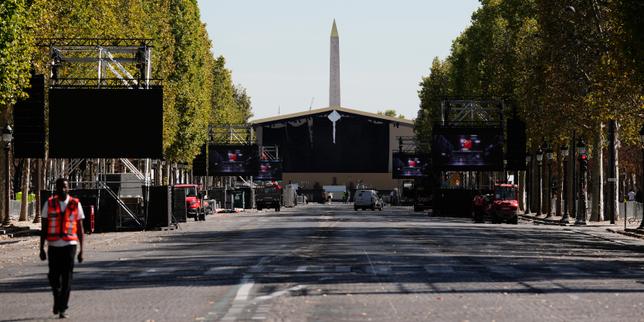
Imagine standing on the platform at Châtelet-Les-Halles during peak hour. Normally, it is a roaring engine of human commerce and transit. Now, picture the air charged with a different kind of electricity. Security perimeters shrink the available breathing room. Streets that usually rumble with delivery trucks and commuter sedans fall utterly silent, save for the rhythmic bootsteps of security forces and the chatter of international travelers trying to decipher French transit maps.
This is where the invisible stakes reveal themselves. A city's dignity is measured by how it treats the stranger at the gate. When public transport and traffic are violently restructured, the system must remain porous enough to let ordinary lives continue while absorbing an extraordinary influx.
Navigating the Shift
For the everyday resident, the disruption is an irritation wrapped in history. Marc knows he will hear complaints from passengers trapped behind security cordons. Yet, he also knows the deeper rhythm of the city. Parisians possess a unique brand of cynical solidarity. They grumble, they sigh, and then they adjust their departure times by twenty minutes.
The adjustments are precise. Traffic restrictions choke off entire districts hours before an event begins. Drivers find their usual shortcuts blocked by orange cones and polite but immovable gendarmes. Commuters are urged to bypass central stations, relying instead on perimeter lines and extended walking routes.
Yet, within this enforced friction lies a strange kind of grace. For a few brief days, the frantic pace of urban existence slows down. People look at one another in crowded carriages. They share maps. They help lost visitors find the correct connection to Saint-Denis or central Paris. The rigid infrastructure of the Île-de-France transport network bends, absorbing the shockwaves of human devotion, security protocols, and logistical necessity.
When the dust settles, the barriers come down. The buses return to their normal routes. The security tents vanish into storage warehouses. But the city is left with the quiet memory of having transformed itself, overnight, into a stage for history.