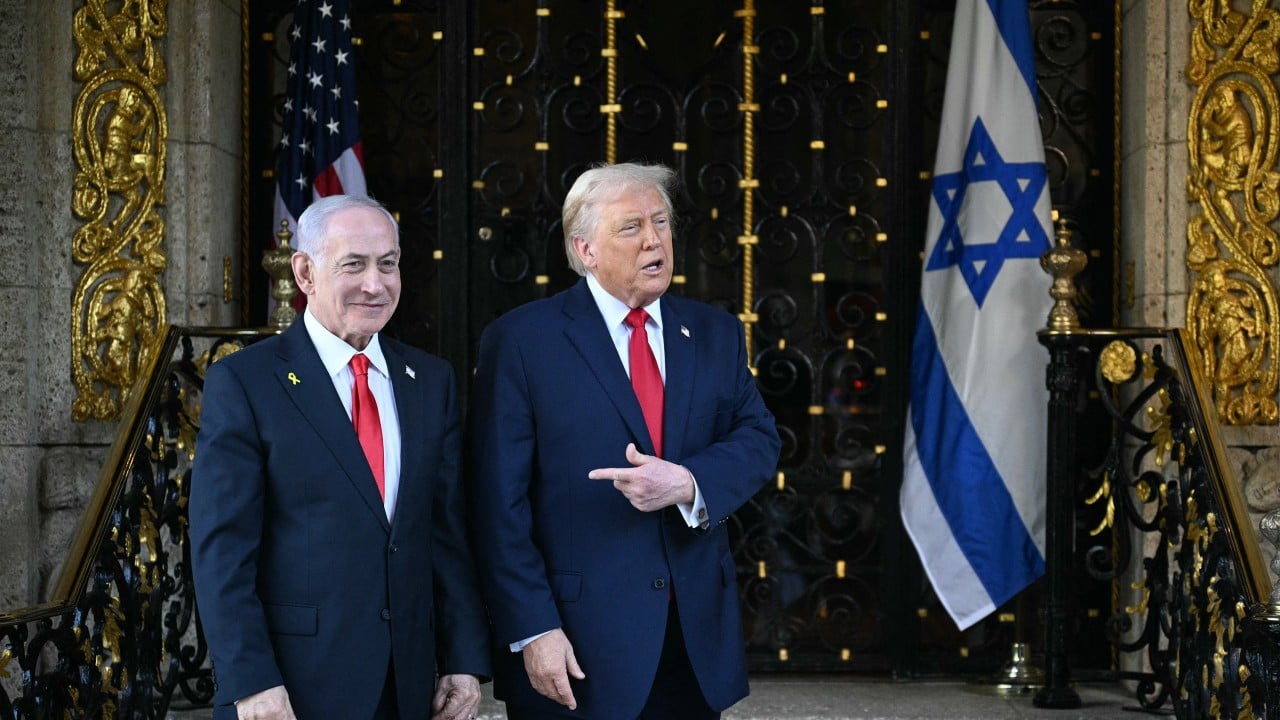
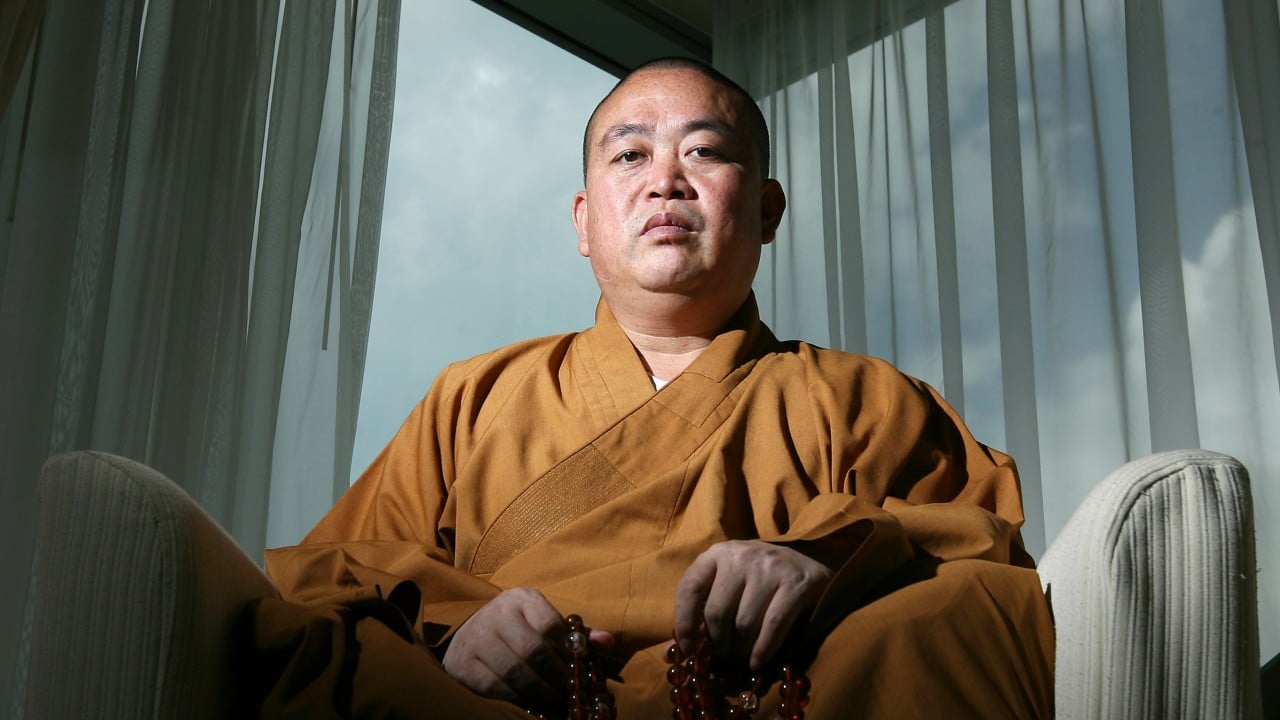
Don't call it a peace treaty yet. China just dropped a hammer on its own fentanyl trade, but if you think this is purely about public health, you're missing the bigger picture. In Hubei province, authorities recently arrested seven people, nuked over 200 websites, and penalized four companies. On paper, it's a massive win for the U.S. demand to stop the flow of precursor chemicals. In reality, it’s a calculated "olive branch" aimed directly at President Trump’s upcoming visit.
Beijing knows how the current administration works. They've seen the 157% tariff threats. They've watched the "Shield of the Americas" coalition take shape. By launching these raids now, China isn't just cleaning up its streets; it’s buying leverage at the negotiating table.
The Hubei Crackdown is a Message
The timing isn't a coincidence. This task force in Hubei was established back in December, but the results are being blasted through state media—Xinhua and Hubei Daily—right as the White House prepares for high-level talks. It’s a classic move in the Beijing playbook: show "sincere cooperation" just before the bill comes due.
The details of the raid are specific. We aren't just talking about street dealers. They targeted the digital infrastructure of the trade, shutting down 200 websites that acted as a virtual bazaar for precursors. One case in Wuhan even involved direct intelligence from the U.S. Drug Enforcement Administration (DEA). That level of coordination is rare, and it’s being highlighted to prove that China can be a "partner" when it wants to be.
What China gets in return
Beijing doesn't do favors for free. They already secured a rollback on fentanyl-specific tariffs from 20% down to 10% after the October meeting in South Korea. These new raids are the "proof of work" needed to keep those tariffs from spiking back up.
- Tariff Relief: China wants to avoid the "record-breaking" 157% tariffs Trump has threatened.
- Political Breathing Room: By hitting 22 cases and detaining a dozen more people under "coercive measures," they can claim they're doing their part.
- Intelligence Bartering: Using DEA tips allows China to show they are "listening," even if the overall flow of chemicals remains massive.
The Whack-A-Mole Reality of Precursor Chemicals
Here's the problem nobody wants to admit: precursor control is a losing game. When China schedules one chemical, traffickers just tweak the molecule. They move from one substance to another faster than any bureaucracy can track.
In 2017, China controlled two major precursors. The industry immediately shifted to a chemical called 4-AP. When 4-AP was controlled last year, the vendors just started marketing "alternative products" online. These Hubei raids are flashy, but they don't address the fact that China’s chemical industry is essentially a giant that can't be fully caged.
The U.S. argues that weak export controls allow millions of tons of these substances to reach Mexican cartels. While the Hubei arrests are a start, they're a drop in the ocean compared to the sheer volume of trade.
Is This a Real Thaw or Just a Performance
Trump’s "America First" drug policy has been aggressive. He’s used the National Emergencies Act and IEEPA to slam China with duties, arguing that their failure to act is an "extraordinary threat" to national security. He isn't wrong about the toll—synthetic opioids remain a leading cause of death for Americans aged 18 to 45.
However, some critics argue that China is simply using drug enforcement as a bargaining chip. They dangle cooperation to get concessions on semiconductors or rare earth minerals. If the upcoming visit goes well, expect more of these raids. If talks break down, don't be surprised if the "cooperation" suddenly dries up.
The DEA’s Role in the Middle
Interestingly, the Bilateral Drug Intelligence Working Group met in Colorado Springs just last month. It brought together prosecutors, customs, and financial experts from both sides. This suggests there's a technical layer of cooperation that exists regardless of the political theater. But let’s be real: the technical experts can only do what the political leaders allow.
What Happens During the Trump Visit
The President has made it clear that fentanyl is the "first question" on his agenda. He’s already credited his tariff pressure for the 10% deal. If he sees these raids as a sign of weakness or a genuine concession, he might push for even steeper cuts in precursor exports.
On the flip side, if the "Hubei model" isn't replicated in other provinces, the administration will likely see it as a PR stunt. The White House Drug Czar, Sara Carter, has been vocal about China's "failed" attempts to stop the sale of these chemicals at the UN. There's a deep-seated skepticism in Washington that a few arrests in one province can change a systemic, multi-billion-dollar industry.
The Next Move for Your Portfolio
If you're tracking the trade implications of this, watch the "de minimis" exemptions. The administration has already started closing these loopholes to stop small packages of drugs from slipping through. If China continues these raids, we might see a stabilization of trade relations. If they stop, expect the 157% tariff talk to become a reality.
Stay focused on the actual seizure numbers, not just the arrest counts. Arrests are easy; stopping the metric tons of chemicals leaving the ports is what actually moves the needle on American overdose rates. If you want to see if China is serious, look for crackdowns in major port cities like Ningbo or Shanghai, not just inland provinces like Hubei.