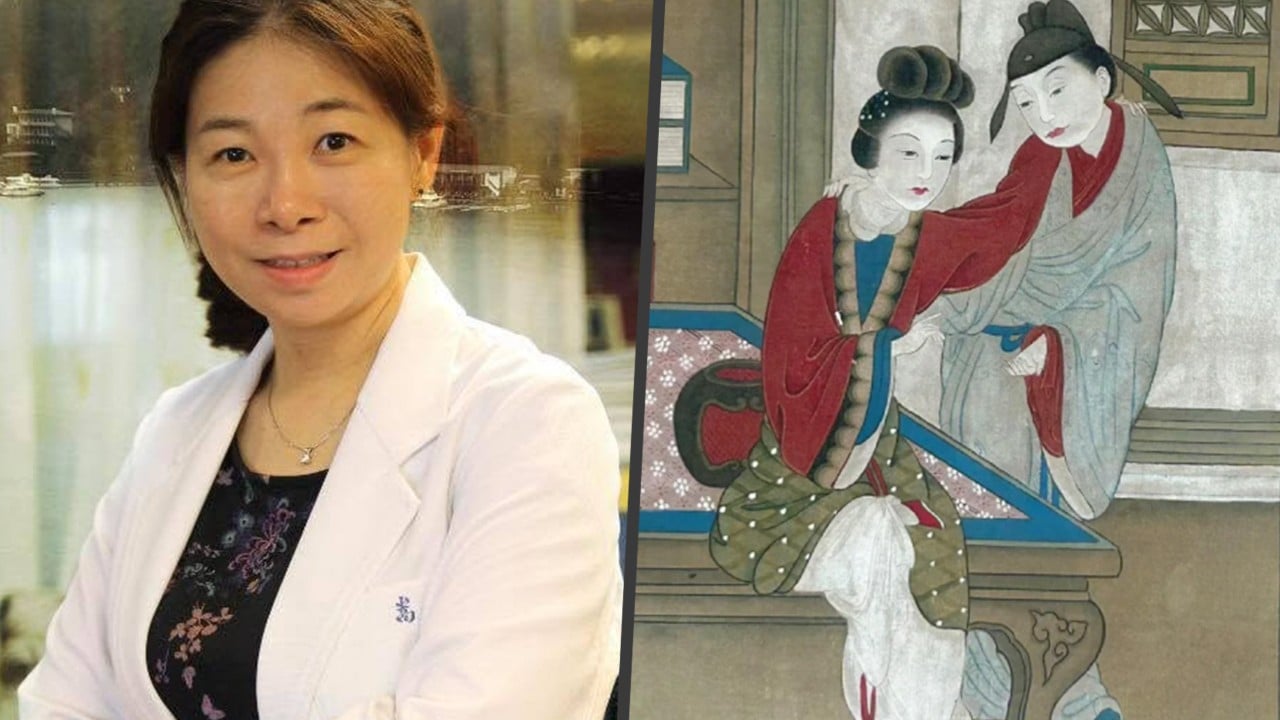
People are losing the ability to connect. It sounds dramatic, but it is happening in real time across urban centers from Shanghai to New York. Modern daters skip the messy, uncomfortable work of emotional vulnerability because screens make avoidance easy. They swipe, they ghost, and they wonder why intimacy feels broken.
China's pioneering sex therapists and psychological researchers are calling this out directly. They label the trend relationship blindness, a growing inability to read emotional cues, resolve basic conflicts, or sustain long-term bonds. You might think this is just standard generational anxiety. It is not. It is a systematic erosion of social literacy driven by high-pressure work cultures, digital isolation, and unrealistic expectations born from curated social media feeds.
I have watched friends spend years scrolling through endless partner options on apps while rejecting anyone who shows a single flaw. They want a finished product instead of a human being. When you treat relationships like a food delivery app, you stop knowing how to cook a meal together.
The Roots of Emotional Detachment
How did we get here? The speed of urbanization plays a massive part. In cities like Beijing and Shenzhen, young professionals face punishing work schedules. They log intense hours, commute for miles, and return to small apartments exhausted. Energy reserves hit zero.
When you are that tired, dating feels like a chore rather than a joy. Emotional energy becomes a scarce currency. People hoard it. They refuse to spend it on someone else's problems or quirks.
Experts note that this hyper-individualism creates a generation of people who view partners as accessories rather than teammates. If an accessory breaks or stops matching your aesthetic, you toss it. But human bonds require friction. They require arguments over dirty dishes, awkward conversations about money, and patience when your partner has a terrible week.
The Digital Shield
Screens provide a comfortable buffer against rejection. Texting lets you edit your feelings before sending them. You can delete a vulnerable sentence and replace it with a sarcastic emoji.
Real life does not have a backspace key.
When relationship blindness sets in, people panic the second a face-to-face conversation gets heavy. They interpret a normal disagreement as a fatal flaw. They lack conflict resolution skills because digital communication trains us to block people instead of talking things out.
I see this in professional settings too. Colleagues struggle to give constructive feedback without causing an emotional meltdown, because nobody practices handling discomfort anymore. We insulate ourselves until our skin gets paper-thin.
What Relationship Blindness Actually Looks Like
If you want to spot this phenomenon in the wild, look at how people handle the early stages of dating. The signs are clear if you pay attention.
- Extreme pickiness based on trivial metrics: Rejecting someone because they like a movie genre you hate or mispronounce a word.
- Immediate ghosting: Disappearing without a word at the first sign of a difficult conversation or minor awkwardness.
- The perfection trap: Expecting a partner to act as a therapist, best friend, financial advisor, and romantic lead all at once.
- Chronic comparison: Believing that a better match is always just one swipe away.
These behaviors stem from fear. People are terrified of getting hurt, so they build armor that is so heavy they cannot hug anyone.
The Cost of Staying Detached
Living behind an emotional wall takes a heavy toll. Loneliness rates are climbing globally. Public health officials point to chronic isolation as a major risk factor for physical ailments, comparable to smoking or high blood pressure.
You can have five hundred contacts on your phone and still feel like nobody knows you.
Therapists in major Asian metropolises report a surge in young adults seeking help not because they got dumped, but because they realize they are incapable of feeling warmth toward anyone. They feel numb. They want to care, but their emotional wiring has gone dormant from lack of use.
How to Fix It
You cannot solve relationship blindness by downloading another dating app or reading a generic self-help book. You fix it by stepping back into the messy reality of human interaction.
Start by lowering your standards for perfection and raising your standards for kindness. Look for someone who is willing to communicate when things get hard, not someone who never causes a ripple.
Next, practice staying in the room during a disagreement. When your instinct screams at you to shut down, walk away, or block the person, pause. Take a breath. Say out loud that you are feeling overwhelmed instead of just disappearing.
Real connection requires showing up when it is inconvenient. It means accepting that love is a skill you practice, not a lightning strike that happens to you. Put the phone down, face the awkward silence, and talk to the person sitting across from you.