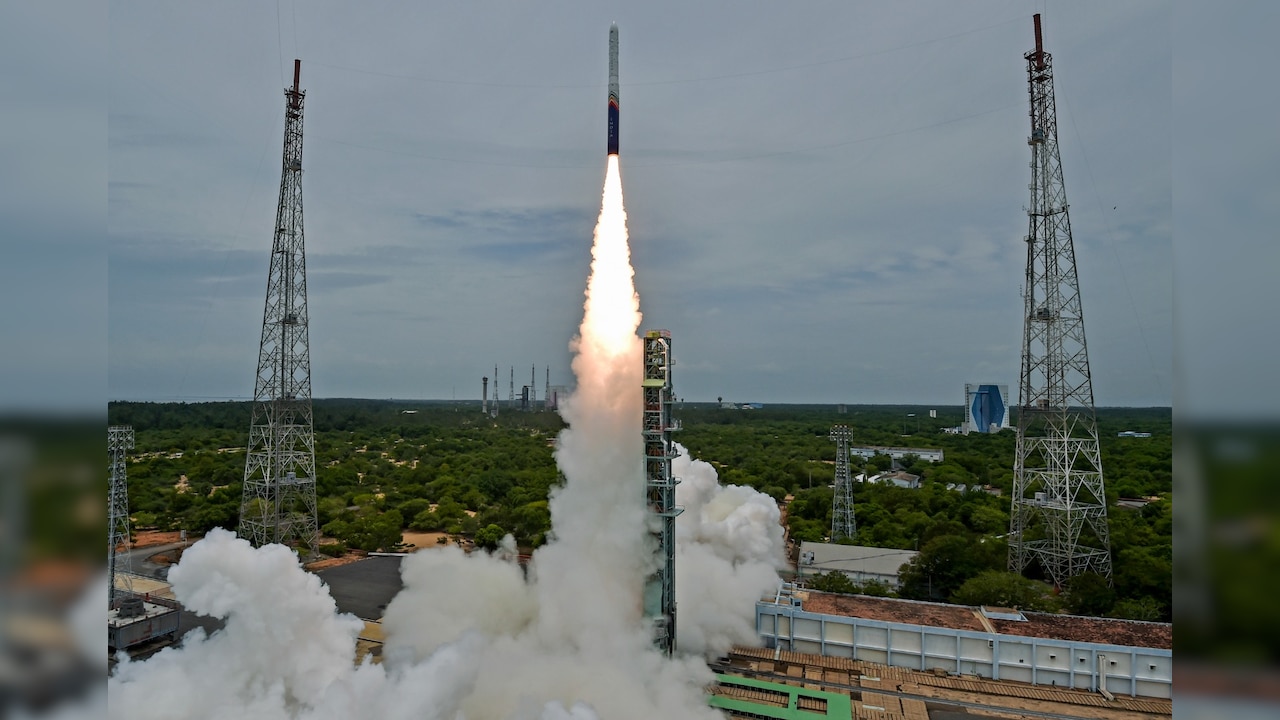
Throw money at a problem, or build a rocket from scratch with pocket change. That basically sums up the modern space race between Beijing and New Delhi.
If you look at the raw ledgers, the contest looks entirely lopsided. China pours billions upon billions into its state-directed space machine, building massive orbital stations and plotting lunar bases. Meanwhile, the Indian Space Research Organisation operates on a shoestring budget that makes Western aerospace engineers scratch their heads. Meanwhile, you can read other developments here: When Cross Border Strikes Turn Deadlier Civilian Toll Escalates in Ukraine and Russia.
Yet, rockets and bank accounts only tell half the story. While Beijing commands unmatched financial muscle, India holds a completely different kind of leverage. It's called trust, and money can't buy it.
The Budget Gap Is Real
Let's address the math right away. China's space program operates with a war chest that dwarfs India's allocations by multiple factors. The China National Space Administration runs an aggressive, vertically integrated pipeline backed by state mandates, massive heavy-lift vehicles, and a sprawling network of launch sites. They move fast because they can afford to absorb astronomical failures and fund parallel technologies simultaneously. To understand the full picture, we recommend the detailed analysis by BBC News.
India approaches the cosmos through a philosophy of frugal engineering. When the Indian Space Research Organisation successfully parked a probe around Mars on its very first try, it did so for a fraction of what Hollywood spends on a sci-fi blockbuster. This thriftiness isn't just a quirky PR angle. It's a necessity born from developing-nation economics.
You can't outspend a superpower. So, India simply refuses to play that game. Instead, the focus stays on high-reliability, low-cost missions that deliver immediate utility.
Why Global Partners Prefer New Delhi
Space commercialization has shifted dramatically. Nations across the Global South and Western allies alike need reliable launch partners, but they also want strategic reassurance.
China's space infrastructure is tightly bound to military-civil fusion initiatives. For smaller nations looking to launch commercial payloads or scientific satellites, entering into deep aerospace dependencies with Beijing often comes with heavy geopolitical strings attached. Debt traps and opaque terms make governments nervous.
India takes a different route entirely. Through commercial entities like NewSpace India Limited, the country has launched hundreds of foreign satellites from dozens of nations with a clean record of neutrality and transparent pricing.
When a nation hands its precious satellite over to a launch provider, reliability matters more than flashy propaganda. India's Polar Satellite Launch Vehicle built an elite reputation for being the dependable workhorse of the industry. You pay a fair price, your payload reaches orbit, and nobody tries to draft you into a regional hegemony. That reliability translates directly into diplomatic capital.
The Power of Shared Success
Another reason New Delhi commands unique goodwill is its open approach to regional collaboration. Programs like the South Asia Satellite project gave neighboring countries free access to communication and weather data without demanding subservience in return.
Space diplomacy works best when it looks like a partnership rather than an acquisition. By sharing data on disaster management, weather tracking, and telecommunications, India positions itself as an indispensable regional neighbor.
Beijing builds spectacular infrastructure, but it often dictates terms from the top down. India invites collaboration from the ground up.
Beyond the Balance Sheet
Financial dominance secures headlines, but steady reliability wins long-term partnerships. As lunar ambitions heat up and commercial space traffic gets crowded, nations are going to vote with their feet. They will choose the partners who respect their sovereignty, offer predictable pricing, and keep their promises without hidden geopolitical fine print.
China will keep outspending everyone except the United States. That's a structural reality. But India has proven that innovation, discipline, and absolute trustworthiness matter more than an endless supply of cash.
The real race isn't about who gets to the moon first with the biggest wallet. It's about who everyone else actually wants to work with once they get there.