Beep.
A sound so ordinary you stop hearing it before you finish your twenties. The fluorescent hum above the bakery aisle, the clatter of a basket dropped onto linoleum, the quick electronic chirp as milk, bread, and apples cross a laser beam.
Silence.
Then the screen goes flat. No price. No receipt. No line moving forward while twenty carts sit packed with perishable food and tired people check their watches.
I have stood in a store when a point-of-sale network dropped and watched mild annoyance curdle into confusion in less than three minutes. Nobody panics at first. Someone shrugs. A cashier calls a manager. Another register clicks off. Suddenly a routine errand feels strangely fragile, because modern grocery stores run on synchronized data just as much as forklifts and delivery trucks.
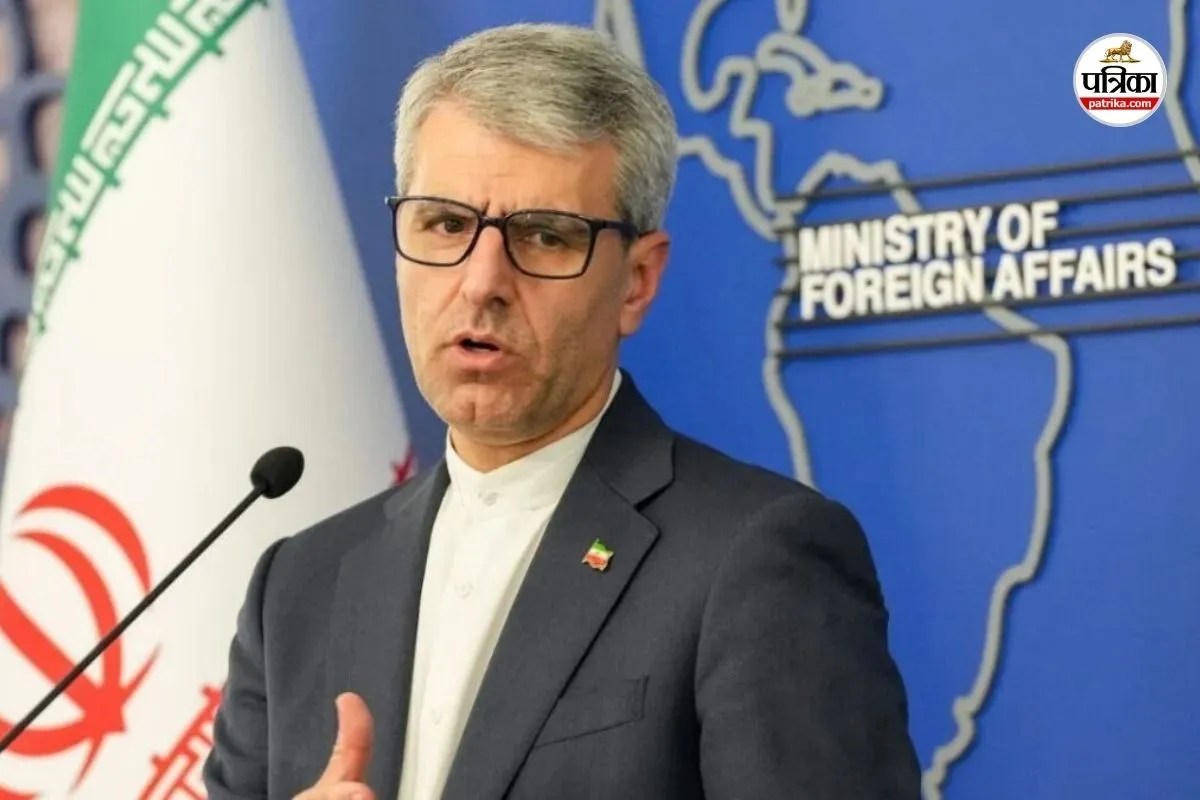
When cyber disruptions hit French supermarkets and officials in the United States reject conspiracy claims while Iran calls the narrative Israeli propaganda, the headline looks like distant diplomatic theater. Two nations trading sharp words. A European retail glitch far from home. Yet the tension inside that dispute touches something deeply personal: how easily an everyday supply chain can be pulled into geopolitical blame, and how hard it becomes for ordinary people to tell technical failure from covert warfare.
A Quiet Morning in Lyon
To see why a software outage feels bigger than a register error, let us follow a hypothetical character, Claire Moreau, a shift supervisor at a mid-sized supermarket in Lyon. Claire is a composite stand-in created for this story to show how store-level operations work under pressure, not a real person or verified incident report.
At 8:15 a.m., Claire is balancing two things at once: a delivery pallet of yogurt waiting near the loading dock and three customers asking why the loyalty app will not load. Her tablet chimes with an alert from regional IT. Inventory sync is lagging. Two minutes later, the self-checkout kiosks blink, reboot, and stall on a gray diagnostic screen.
Claire does not think in terms of statecraft or intelligence briefings. She thinks about butter melting in a warm delivery van and an elderly regular who counts out exact change because she dislikes cards. When checkout lines back up past the canned goods, stress ripples outward. A father with a crying toddler sighs. A teenager on his first weekend shift looks toward Claire for a script he has not been given.
This is the first hidden cost of a supermarket cyber attack, or even a severe network disruption that looks like one. The damage is not just lines of corrupted code or locked servers. It is friction at the exact point where human needs meet fragile systems.
Consider what happens next when rumors move faster than forensic logs.
How Rumor Outruns Evidence
In modern information conflicts, an outage rarely stays a technical story for long. Within hours of any high-profile disruption—whether a localized breach, a supply-chain glitch, or an unverified report of a broader attack—social feeds fill with confident theories. A delayed shipment becomes sabotage. A frozen terminal becomes a coordinated strike.
When Washington pushes back against conspiracy claims tied to French supermarket disruptions, American officials are confronting a familiar trap: once a dramatic story attaches itself to an anxiety, denials often sound defensive rather than clarifying. Skeptics ask what is being hidden. Believers share screenshots stripped of context.
Meanwhile, Tehran's characterization of the claims as Israeli propaganda adds another layer of geopolitical heat. In a region and an era defined by shadow campaigns, mutual suspicion, and information operations, accusations fly like sparks near dry brush. Each side points to motives, regional rivalries, and past covert actions to argue that the other is shaping the story for strategic gain.
I find this tug-of-war exhausting and, honestly, disorienting. Even when you read carefully and look for primary reporting, the fog is thick. Attribution in cyberspace is notoriously difficult—think of trying to identify who threw a snowball in a crowded schoolyard after everyone ducks behind a wall. Attackers route traffic through compromised servers across multiple countries, borrow tools used by rival groups, or leave false trails designed to point fingers elsewhere.
That ambiguity is oxygen for propaganda. When hard proof takes days or weeks to verify, political narratives claim the first twenty-four hours.
Why Grocery Aisles Carry Geopolitical Weight
Why would anyone care about supermarket systems in France if they live thousands of miles away?
Food is primal. You can delay buying new shoes or postpone a software update, but empty shelves and stalled checkouts trigger an immediate biological alarm. Throughout history, control over food distribution, grain pricing, and market order has sat right at the center of civic stability. A rumor that supermarkets are under cyber siege does not just target retail executives; it tests public calm.
Let us use a metaphor to make the architecture clearer. Imagine a city's water supply running through hundreds of neighborhood valves. If a valve sticks in one district, plumbers check pressure gauges and replace a seal. If someone convinces the whole city that a foreign saboteur poisoned the reservoir, people start hoarding jugs before a single lab test comes back. The physical problem may be narrow, yet the psychological shockwave spreads wide.
In retail networks, interconnectedness creates efficiency and vulnerability at the same time. Central databases track stock across dozens or hundreds of locations so trucks arrive with what is actually selling. When those links falter—whether from ransomware, a botched patch, a third-party vendor fault, or a targeted intrusion—the ripple touches suppliers, payment processors, warehouse crews, and shoppers all at once.
Separating Fact From Spin
When headlines collide—French supermarkets hit by cyber trouble, Washington dismissing conspiracy theories, Iran calling it Israeli propaganda—how can a regular reader stay grounded without becoming cynical or gullible?
Start by separating three distinct questions that headlines often mash together:
- What actually broke? Was there a confirmed cyber intrusion, a ransomware lock, a payment gateway outage, or an operational fault? Technical root causes are mundane compared to spy thrillers, yet they are the bedrock of truth.
- Who has proven responsibility? High-confidence attribution requires forensic evidence, technical indicators, and corroboration—not merely a dramatic claim online or a convenient geopolitical motive.
- Who benefits from the story? Every actor in an information dispute has an angle. Calling something propaganda can sometimes be accurate, and sometimes it can be a counter-move to deflect scrutiny or score diplomatic points.
Admitting we do not yet know every detail is not weakness. It is discipline. When uncertainty is high, rushing to certainty is how we get played.
The Human Toll Behind the Screens
Back in our hypothetical Lyon store, Claire finally gets two registers running in manual fallback mode. It is slower. Every item has to be handled carefully, every total checked twice. The queue moves inch by inch, and the tension in the room slowly eases as people realize they will still get home with dinner.
Outside, far from aisles and barcode scanners, diplomats and intelligence analysts parse statements, test narratives, and guard against escalation. Inside the store, a young cashier wipes down the counter and breathes out for the first time in an hour.
Both worlds are real. One trades in influence, deniability, and strategic framing; the other trades in milk cartons, patience, and trust between neighbors.
When nations argue over whether a disruption is an attack, a conspiracy, or propaganda, the loudest voices usually claim the stage. Yet the truest measure of resilience is quieter: clear-headed verification, honest limits on what we claim to know, and systems built so a single digital hiccup does not turn daily life upside down.
A barcode scanner beeps again, steady and ordinary, while outside the glass the world keeps arguing over who pulled the plug.