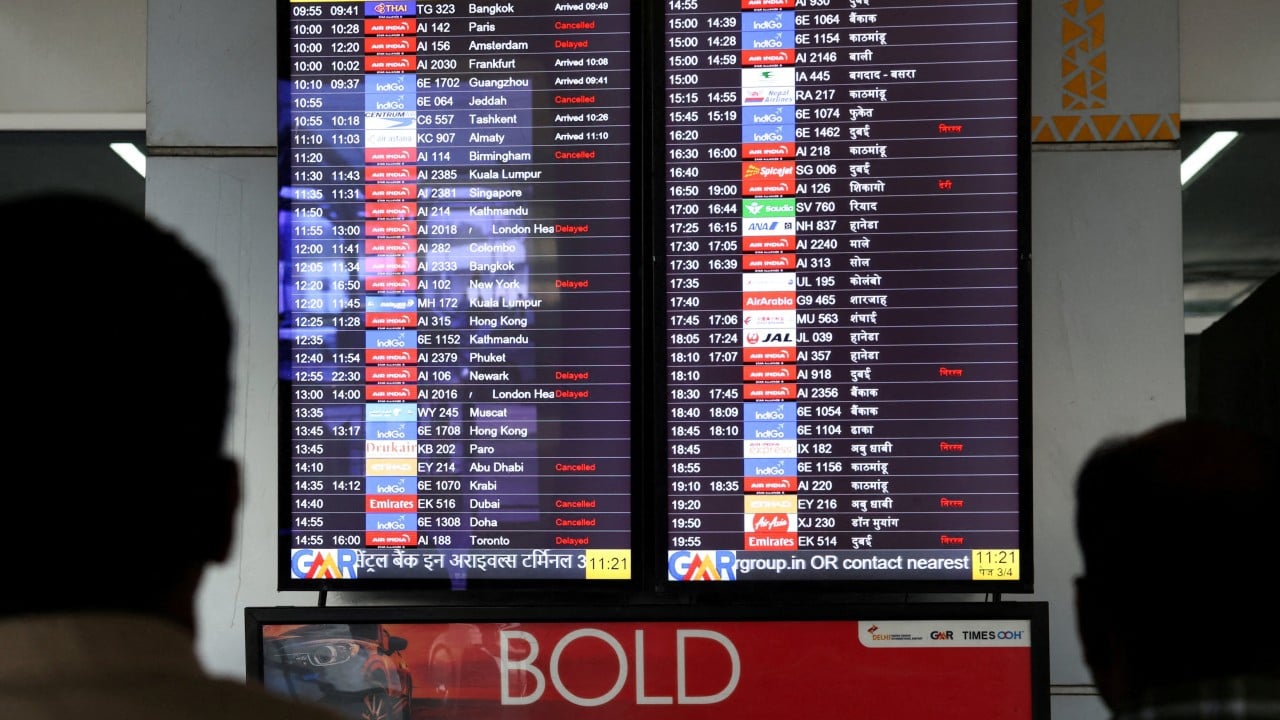
You probably noticed your last flight to Europe or Asia cost way more than it did two years ago. Most people blame inflation or greedy airlines. While those play a part, the real reason is much more volatile. The ongoing conflict in the Middle East, specifically the escalating Iran war, has effectively redrawn the map of the sky. We’re witnessing the end of the golden age of ultra-cheap long-haul travel.
The math is simple but brutal. When Iranian airspace shuts down or becomes a no-fly zone, airlines can't just "go around" easily. They’ve got to reroute thousands of miles. That means more fuel, more crew hours, and fewer seats they can sell because the plane has to carry extra weight in kerosene. If you’re looking for a $400 round-trip ticket to Bangkok or Dubai, you might be waiting a long time. They just don't exist anymore.
The Sky Is Getting Smaller
For decades, the path between Europe and Southeast Asia relied on the narrow corridor over Iran and Iraq. It was the highway of the skies. Now, that highway has a massive "Road Closed" sign on it. Airlines like Lufthansa, KLM, and Qantas are burning through cash just to keep their planes in the air longer.
When a flight from London to India has to dodge Iranian territory, it adds anywhere from 40 to 90 minutes of flight time. That doesn't sound like much until you calculate the fuel burn of a Boeing 787 or an Airbus A350. We're talking tons of extra fuel. Airlines aren't charities. They'll pass every cent of that cost onto your credit card.
Why Fuel Prices Are Only Half the Story
Usually, when we talk about war and travel, we focus on oil prices. Yes, tension in the Strait of Hormuz sends crude prices soaring. But the Iran war impacts "operational complexity" in ways a simple gas hike doesn't.
Think about crew limits. Pilots and flight attendants have strict legal limits on how many hours they can work in a single shift. If a flight that used to take 11 hours now takes 13 because of a massive detour around Iranian airspace, the airline might have to staff an extra pilot. That's another salary, another hotel room, and another mouth to feed.
Then there's the "payload" problem. A plane has a maximum takeoff weight. If you have to pack five extra tons of fuel to make it around a war zone, you have to take off five tons of something else. Usually, that's cargo or passengers. Fewer seats available means higher prices for the seats that remain. It’s supply and demand at its most basic and frustrating level.
The Death of the Hub Strategy
The Middle East "Big Three"—Emirates, Qatar Airways, and Etihad—built their empires on being the world's crossroads. Dubai, Doha, and Abu Dhabi are perfectly positioned to connect the West to the East. But when the neighborhood catches fire, that geographic advantage turns into a massive liability.
If you’re flying through a region where missiles are regularly in the air, insurance premiums for those airlines skyrocket. Lloyd’s of London and other big insurers charge "war risk" premiums. These aren't small fees. They're massive overhead costs that smaller carriers can't absorb. Even the giants are feeling the squeeze. You’ll see this reflected in "Surcharges" on your ticket receipt. They won't call it a "war tax," but that's exactly what it is.
What This Means for Your Next Vacation
Stop waiting for a "flash sale" that covers the Middle East or Central Asia. It's not happening while the geopolitical situation stays this tense. I’ve seen travelers hold out for price drops that never come, only to end up paying double because they booked last minute.
If you want to travel without the "Iran war premium," you have to change how you look at the map. Transpacific routes are currently more stable than Transatlantic-to-Asia routes. Flying from the US West Coast to Asia avoids the mess entirely. But for Europeans, the options are grim. You either pay the "detour tax" or you stay closer to home.
Is There Any Way to Find a Deal
You can still find ways to save, but it requires being smarter than the average traveler. Don't just look at the total price. Look at the routing. Carriers that have "grandfathered" rights to fly certain paths—though fewer by the day—might still offer better rates.
- Look at Northern Routes: Some carriers are pushing further north, even over the Arctic, to avoid the Middle East. These flights are long but often more reliable.
- Book with "War-Neutral" Airlines: Some state-owned carriers from countries not involved in the sanctions or conflict can sometimes maintain shorter routes, though this comes with its own set of risks and ethical questions.
- Watch the Surcharges: Always click the "breakdown" on your fare. If you see a massive "YQ" or "YR" code, that’s usually a fuel or security surcharge.
The Reality Check
The era of "set it and forget it" travel is over. The Iran war isn't just a headline on the news; it's a direct tax on your mobility. Airspace is a finite resource. When a huge chunk of it becomes unusable, the remaining "safe" corridors get crowded. Crowded skies mean delays. Delays mean missed connections. Missed connections mean airlines have to pay for hotels and rebooking, which—you guessed it—raises fares even more.
Don't expect the "budget" airlines to save you here. Long-haul low-cost carriers like Norse or AirAsia X operate on razor-thin margins. They can't survive a 20% increase in fuel costs caused by rerouting. Many will simply cancel those routes. We've already seen several carriers quietly drop cities that used to be staples of the "cheap flight" diet.
Your Strategy for 2026
If you’re planning to travel, stop looking at historical prices. 2019 prices are gone. 2023 prices are gone. We're in a new era of "Geopolitical Pricing."
- Lock in prices early: If you see a fare you can live with, buy it. The volatility in the Middle East means prices can jump $300 overnight based on a single drone strike.
- Use points for the "Surcharges": Many credit card points programs allow you to cover the taxes and fees. Since those are the parts of the ticket inflating the fastest, this is where you get the most value.
- Travel West, not East: If you’re based in the US, look toward the Pacific. The "war premium" there is virtually non-existent compared to the mess over the Persian Gulf.
The "future of cheap flights" isn't about finding a secret website or a magic hack. It's about understanding that the map is broken. Until the Iran war reaches some kind of resolution and the skies open back up, the "cheap" part of flying is history. Pay the premium now or stay on the ground. There is no third option.