Water remembers.
It remembers the curves it carved a thousand years ago, the ancient meadows it fed, and the steady, rhythmic heartbeat of a valley that breathed in spring and exhaled in summer. For over a century, we tried to teach water a different song. We straightened its spine, forced it into narrow ditches, and treated nature like an unruly garden that needed a strict gardener.
The valley paid the price.
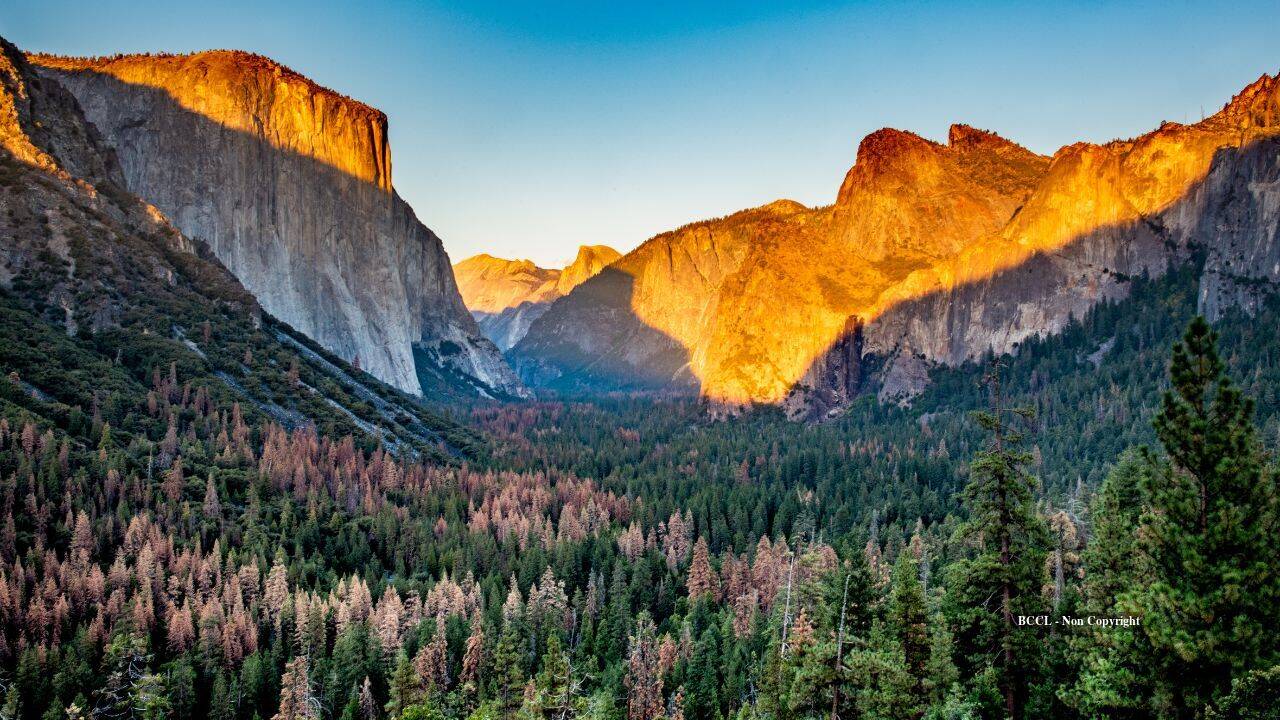
Step into the high country of Yosemite, far beyond the postcard granite domes and the roaring tourist crowds of the valley floor, and you will find places where the earth feels hollow. These are the wetlands. Or rather, what used to be wetlands. For generations, these spongy, peat-rich ecosystems were drained to make way for roads, infrastructure, and an idealized vision of manicured wilderness. We dried out the sponge.
Consider a hypothetical backpacker walking through the Tuolumne Meadows area a decade ago. They would have seen a landscape that looked green enough at a glance, but felt brittle underfoot. The creeks were carved deep and fast, slicing through the soil like a knife through cake. Instead of spreading out, lingering, and soaking deep into the ground, every drop of snowmelt rushed out of the high country as fast as gravity could pull it.
That speed is a quiet catastrophe.
When water moves too fast, it acts as a thief. It steals soil. It starves the downstream wildlife. And when the dry months of late summer arrive, the moisture is simply gone. The meadows turn brown prematurely. The amphibians, the specialized plants, the birds that rely on damp sanctuaries—they find themselves stranded in a sudden desert.
For a hundred years, this was the accepted baseline. We broke the plumbing and assumed the ecosystem would just adjust.
Then came the heavy lifting of undoing our own mistakes.
Restoring a wetland is not like painting a fence. You cannot simply flip a switch and declare the job done. It requires a delicate, almost surgical intervention. Conservation crews, scientists, and heavy equipment operators have spent recent years engaging in massive ecological restoration projects across Yosemite, specifically targeting degraded areas like Ackerson Meadow and parts of the high-altitude wetlands.
The strategy is counterintuitive. To fix the water, you have to slow it down.
Crews have been actively filling in the deep, artificial ditches that humans dug generations ago. Think of it like stitching shut a wound that never quite healed. By blocking the fast-tracks, they force the water back onto the surface of the meadow, allowing it to fan out in a wide, slow sheet just as it did centuries ago.
The results are astonishing, though they require patience. When water spreads out, it drops the sediment it was carrying. That sediment builds the soil back up. The water sinks into the subterranean aquifer, acting as a natural savings account that slowly pays out moisture over the dry summer months.
Standing by a restored wetland is a sensory experience entirely different from standing near a drained ditch. The air feels heavier, cooler, smelling of rich mud, crushed pine, and wild grasses. You hear the frantic, joyous buzzing of insects that have returned to a home they haven't seen in a century. The ground beneath your boots has a gentle give, a springiness that proves the earth is drinking deeply once again.
There is a profound lesson hidden in the mud. We spent a hundred years believing that human dominance meant imposing order on a chaotic environment. We built straight lines into a world designed for curves. And every single time, nature pushed back.
The restoration of Yosemite's wetlands is a quiet rebellion against that old arrogance. It is an admission that we made a mistake, paired with the humility to let the river find its own path home.
Listen closely.
In the high mountain air, the water is finally learning how to meander again.