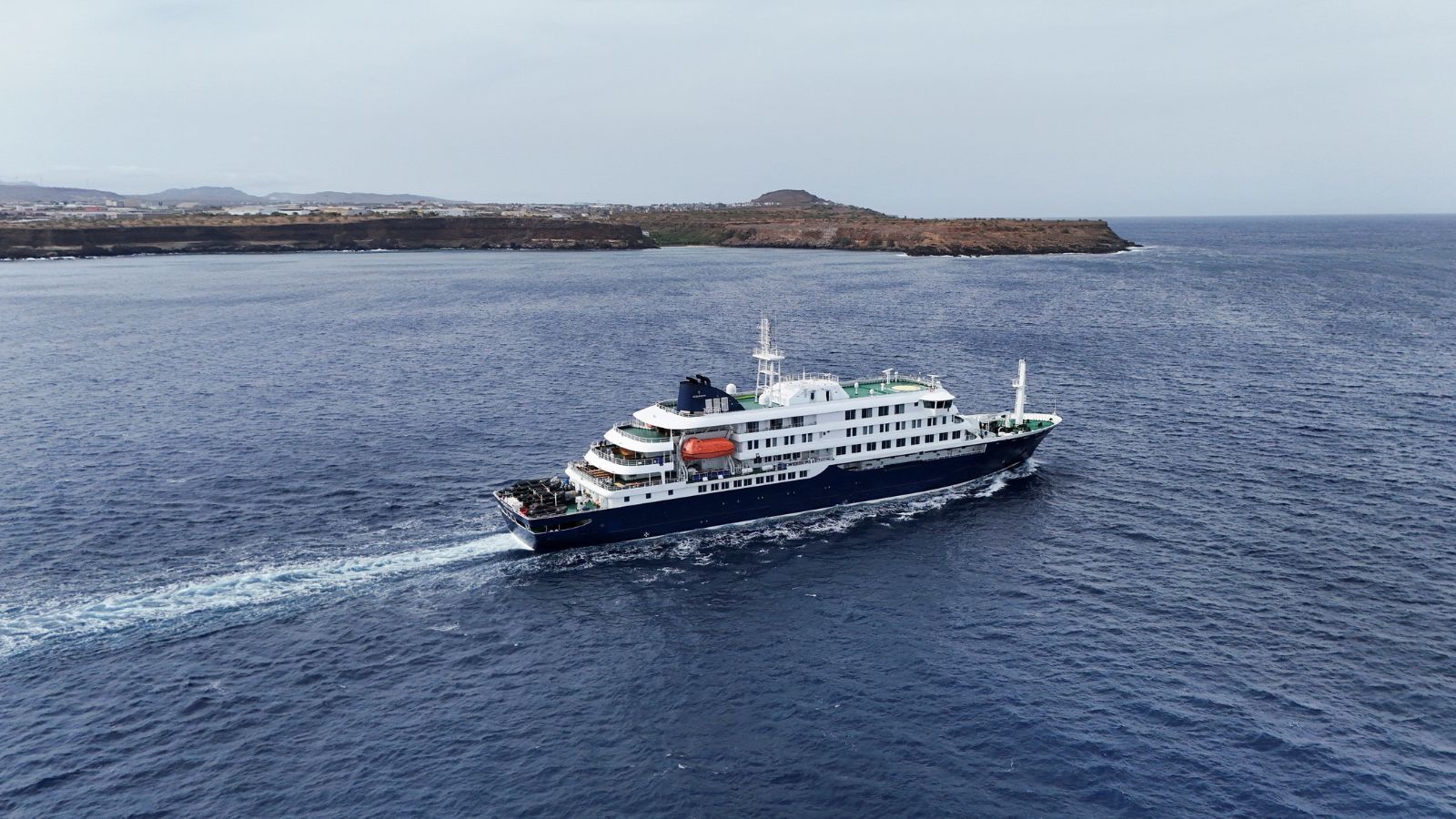
A luxury expedition vessel in the middle of the Atlantic Ocean is slowly transforming into a floating quarantine ward.
On board the Dutch-flagged M/V Hondius, passengers and crew have spent days wearing masks, keeping their distance, and monitoring themselves for early signs of a lethal infection. Three people are dead. One remains critically ill in a South African intensive care unit.
The culprit is not a standard cruise ship bug like norovirus. It's the Andes virus, a highly lethal strain of hantavirus that is triggering a frantic international response.
But as this crisis played out across multiple remote islands and African ports, a glaring question echoed through the public health community. Where on earth was the CDC?
For days, the premier public health agency of the United States seemed remarkably quiet. While European health authorities and the World Health Organization (WHO) issued detailed alerts, the CDC appeared to be trailing behind the curve.
Let's look at what actually happened, why this outbreak is terrifying epidemiologists, and how the bureaucratic delay almost allowed a deadly pathogen to slip into the global flight network unnoticed.
The Path of a Silent Killer
This was supposed to be a dream trip. The M/V Hondius departed Ushuaia, Argentina, on April 1, 2026, on an ambitious "Atlantic Odyssey" cruise. The route took 147 passengers and crew through some of the most remote places on Earth, including Antarctica, South Georgia, and Tristan da Cunha.
But before the ship even cleared South American waters, the virus was already on board.
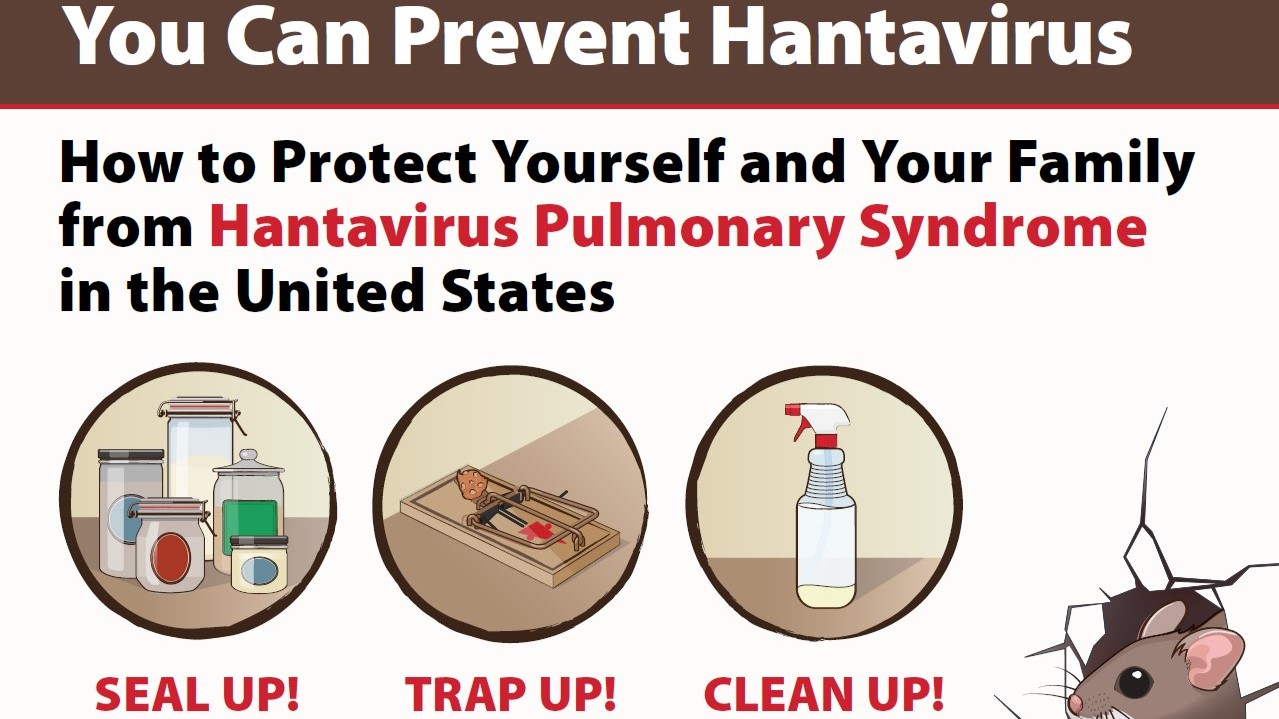
The current hypothesis is that a Dutch couple contracted the virus during a bird-watching excursion in Argentina before embarking. The Andes virus is native to South America, where wild pygmy rice rats serve as the primary host. Humans usually get infected by inhaling aerosolized dust contaminated with infected rodent urine, droppings, or saliva.
The timeline of the tragedy shows just how easily a slow-incubating virus can blindside medical teams:
- April 6: A Dutch passenger develops a fever, headache, and mild diarrhea.
- April 11: His breathing deteriorates rapidly. He dies on board. Because of the remote location, no diagnostic tests are available.
- April 24: The ship reaches the British territory of Saint Helena. The deceased passenger's body is removed. His wife, also showing symptoms, decides to disembark.
- April 27: A British passenger becomes severely ill and is medically evacuated to South Africa.
- May 2: Laboratory testing in South Africa confirms the British passenger has hantavirus. On the same day, a German passenger dies on board the ship.
By the time the hantavirus diagnosis was confirmed, the Dutch widow had already flown to Johannesburg. Sick and deteriorating, she boarded an Amsterdam-bound flight, only to be removed before takeoff because she was too ill to travel. She later died in a South African hospital.
Think about that for a second. A woman carrying a highly lethal, potentially transmissible pathogen walked through international airports and boarded a commercial flight.
Why the Andes Virus is Different
Most hantaviruses are dead ends for human-to-human transmission. If you catch Sin Nombre virus from a deer mouse in Yosemite, you can't pass it to your family.
But the Andes virus is the terrifying exception to the rule.
It is the only known hantavirus capable of spreading directly from person to person.
It doesn't spread as easily as COVID-19 or flu. You won't catch it just by walking past someone. But in close, poorly ventilated environments—like a cruise ship cabin, a shared dining room, or an airplane cabin—prolonged contact can be enough. The virus spreads through saliva, respiratory secretions, or direct physical contact.
Worse, Andes virus causes Hantavirus Pulmonary Syndrome (HPS). It starts with ordinary flu-like symptoms: muscle aches in the thighs and back, fever, and fatigue. But about halfway through, the virus attacks the lungs.
Blood vessels leak fluid directly into the air sacs. Patients basically drown from the inside out. The mortality rate of HPS can hover around 35% to 40%.
Without early supportive care, survival rates plummet. In severe cases, the only thing that saves a patient is Extracorporeal Membrane Oxygenation (ECMO)—a machine that pumps and oxygenates a patient’s blood outside the body to give the lungs a rest. You won't find an ECMO machine in a cruise ship's medical bay.
The CDC Game of Catch-Up
When a deadly pathogen with human-to-human transmission potential is floating on a ship headed toward the West African coast, you expect the CDC to lead the charge. Instead, the agency's initial response felt sluggish.
While the WHO and the European Centre for Disease Prevention and Control (ECDC) were publishing highly detailed assessments and tracking exposed passengers who had already disembarked, the CDC's public-facing response was largely radio silent.
Critics argue that the CDC should have been tracking American passengers and issuing strict alerts much sooner. Some of the travelers who left the ship at Saint Helena on April 24 may have already returned to their home countries before anyone realized they had been exposed to Andes virus.
It wasn't until May 8, 2026—nearly a week after the outbreak was officially reported to the WHO—that the CDC finally released a formal Health Alert Network (HAN) advisory and public statement.
To their credit, they are now moving fast.
The CDC has deployed epidemiologists to the Canary Islands, where the ship is docking. They are also arranging a highly specialized evacuation. American passengers will not be flying home on commercial jets. Instead, they will be evacuated on a U.S. government medical repatriation flight to Offutt Air Force Base in Omaha, Nebraska.
From there, they will be taken to the National Quarantine Center at the University of Nebraska—the gold standard for containing highly infectious pathogens.
What Happens Now?
If you are worried about a global pandemic, you can take a deep breath. The risk to the general public remains extremely low. The Andes virus does not survive well in the open air, and it requires close, prolonged contact to spread between humans.
But the maritime travel industry has a massive problem on its hands.
If you are currently traveling or planning an expedition cruise to South America or other ecologically diverse regions, here is what you need to do immediately:
Monitor the Incubation Window
Hantavirus symptoms can take anywhere from 4 to 42 days to appear. If you have traveled in endemic regions or been on an expedition cruise recently, keep a close eye on your health for at least six weeks.
Know the Early Signs
Do not ignore a sudden fever, deep muscle aches in your back and thighs, or sudden gastrointestinal issues like vomiting and abdominal pain. If these symptoms appear after potential exposure, seek medical attention immediately and tell the doctor exactly where you have traveled.
Demand Better Cruise Safety Protocols
Expedition cruises are booming. People want to see Antarctica, remote islands, and wild landscapes. But these ships must be equipped with better diagnostic capabilities. Ask your cruise provider about their medical facilities and emergency evacuation plans before booking.
The M/V Hondius is a stark reminder that exotic travel comes with exotic risks. As public health agencies scramble to clean up the mess in Tenerife and Omaha, it's clear we can't always rely on bureaucratic institutions to move fast enough. Sometimes, vigilance starts with the traveler.