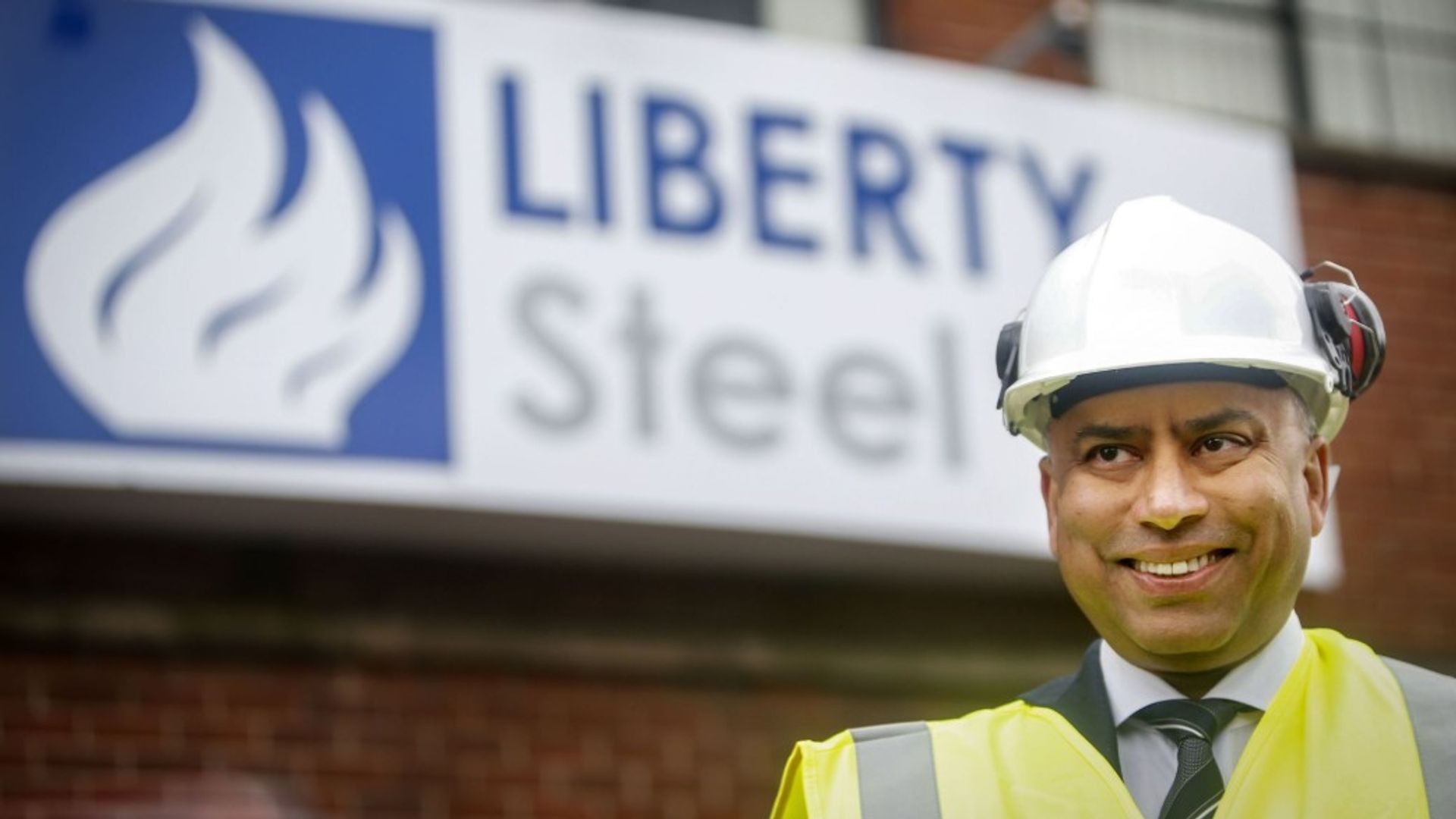
Distressed industrial conglomerates rarely survive creditor encirclement without surrendering their highest-performing cash engines, yet Sanjeev Gupta executed exactly that maneuver to retain control of InfraBuild. Rather than winning through sudden operational windfalls, the retention of Australia’s largest integrated manufacturer and supplier of long steel products relied on exploiting structural ring-fencing, creditor seniority asymmetries, and the prohibitive operational friction of hostile asset enforcement. Understanding how GFG Alliance maintained equity control over InfraBuild following the 2021 collapse of its primary financier, Greensill Capital, requires stripping away surface-level corporate drama to examine the underlying corporate finance architecture.
The Structural Ring-Fence Architecture
The primary mechanism protecting InfraBuild from the contagion of GFG Alliance’s broader European and British insolvencies is legal and financial ring-fencing. In complex, multi-jurisdictional holding structures, parent-level distress only triggers subsidiary liquidation when cross-default clauses or upstream guarantees bind the healthy asset to the failing entities.
InfraBuild operates within a distinct corporate perimeter in Australia. Following its acquisition from Arrium in 2017, the business was structured with separate debt facilities, independent statutory reporting, and localized working capital lines. When Greensill Capital entered administration, the immediate liquidity shock hit GFG’s UK and European operations—specifically Liberty Steel—which relied heavily on supply chain finance facilities backed by prospective receivables. InfraBuild, conversely, generated steady domestic cash flows tied to Australian infrastructure and residential construction cycles, allowing it to service its standalone debt obligations without requiring parent-level capital injections.
Three structural barriers prevented creditors from collapsing InfraBuild into the broader GFG restructuring pool:
- Jurisdictional Insulation: Australian insolvency law, governed by the Corporations Act 2001, enforces strict director duties regarding insolvent trading while simultaneously providing robust safe-harbor protections for localized restructuring. Foreign administrators pursuing UK or French entities could not automatically pierce the corporate veil to seize Australian operational assets.
- Asset-Backed Debt Ring-Fencing: InfraBuild’s credit facilities were secured directly against Australian inventory, receivables, and fixed plant assets. Existing senior secured lenders held first-priority claims over these cash flows, effectively blocking unsecured or structurally subordinated parent creditors from forcing an immediate fire sale.
- Operational Cash Self-Sufficiency: Unlike upstream primary steelmaking facilities plagued by high fixed energy costs and carbon compliance liabilities, InfraBuild’s Electric Arc Furnace (EAF) model utilizes domestic scrap metal. This variable-cost flexibility preserved positive EBITDA margins even during periods of acute reputational and refinancing stress.
The Mechanics of Creditor Refinancing and Debt Substitution
Retaining equity control during a liquidity crisis depends entirely on replacing exiting or hostile lenders before a formal event of default triggers share pledge enforcement. When Greensill collapsed, GFG Alliance faced an immediate maturity wall and regulatory scrutiny across multiple continents, including investigations by the UK’s Serious Fraud Office. In a standard distressed scenario, distressed-debt funds buy up defaulted paper at a discount and execute a loan-to-own strategy, wiping out the incumbent equity holder.
Gupta avoided a loan-to-own takeover at InfraBuild by orchestrating sequential refinancing deals that paid off legacy Greensill-linked exposures while keeping equity ownership intact within the GFG holding structure. This process operates through specific credit market dynamics:
- Collateral Valuation Arbitrage: Distressed lenders and private credit funds evaluate collateral based on liquidation value versus going-concern value. Because InfraBuild commands a dominant market share in Australian reinforcing steel and wire products—supported by an extensive distribution network across metropolitan and regional centers—its going-concern valuation significantly exceeded the scrap value of its mills in Laverton and Sydney. Private credit providers were willing to underwrite high-yield facilities because the underlying asset coverage ratio provided a substantial margin of safety.
- Pricing Risk Over Seizing Equity: Private credit funds generally prefer predictable, high-coupon yield streams over the operational headaches of running a heavy industrial manufacturer. By accepting punitive interest rates, strict cash-sweep covenants, and tighter governance controls, Gupta aligned the economic incentives of incoming lenders with his own desire to retain ownership. The lenders captured equity-like returns through debt pricing without assuming environmental, labor, or operational liabilities.
- The Hold-Up Value of Incumbent Management: In specialized heavy manufacturing, hostile takeovers carry severe operational execution risks. Forcing out an entrenched owner-operator triggers immediate friction with labor unions, domestic scrap suppliers, and state governments concerned about sovereign manufacturing capacity. Incoming financiers calculated that keeping Gupta in place as the equity sponsor—while constraining his ability to upstream cash out of the Australian perimeter—yielded a higher risk-adjusted return than triggering an adversarial enforcement process.
Deconstructing the Operational Moat of InfraBuild
Financial engineering alone cannot rescue an asset lacking fundamental unit-economic viability. The reason private credit markets repeatedly stepped in to refinance InfraBuild—even while sister companies in Europe faced plant idling and regulatory seizures—lies in the industrial economics of Australian long steel production.
Steelmaking economics divide sharply between Blast Furnace-Basic Oxygen Furnace (BF-BOF) routes and Electric Arc Furnace (EAF) routes. Blast furnaces require continuous high-volume operation, massive capital expenditure for relining, and heavy exposure to coking coal and iron ore price volatility. EAF operations, which form the core of InfraBuild’s manufacturing footprint, melt recycled steel scrap using electrical energy.
This technological configuration creates four distinct financial advantages during a parent-company crisis:
- Working Capital Elasticity: Scrap metal procurement can be throttled up or down rapidly in response to order book visibility, preventing catastrophic working capital tie-ups in raw material stockpiles.
- Vertical Integration Capture: InfraBuild does not merely smelt steel; it controls the downstream distribution and processing channels through its reinforcing and wire divisions. Capturing the margin across scrap collection, EAF melting, rolling, and downstream fabrication insulates the business from spot-market import compression.
- Regulatory and Tariff Buffers: Australia’s geographic isolation creates natural freight barriers against imported long steel products, particularly bulky fabricated reinforcing bar (rebar) that requires just-in-time delivery to construction sites. Anti-dumping duties further protect domestic pricing power.
- Decarbonization Positioning: Global institutional capital faces strict ESG mandates that penalize coal-intensive steelmaking. Because EAF steelmaking carries a significantly lower carbon intensity per metric ton than blast furnace production, InfraBuild remained bankable for institutional credit funds that would have flatly rejected financing coal-dependent European plants.
Governance Trade-Offs and the Illusion of Unfettered Control
Describing the outcome as a total victory for Gupta overlooks the severe structural concessions embedded within high-yield private credit agreements. When a distressed sponsor retains equity through expensive refinancing, nominal ownership remains intact, but operational autonomy contracts sharply.
In these transactions, incoming lenders impose affirmative and negative covenants designed to trap cash inside the operating subsidiary. Dividend blockades, strict capital expenditure caps, and independent board observer seats prevent the parent holding company from extracting liquidity to cross-subsidize failing operations elsewhere in the global group. Gupta retains the upside optionality of InfraBuild’s equity value, yet his day-to-day ability to deploy InfraBuild’s balance sheet as a corporate piggy bank is neutralized.
This dynamic illustrates a critical distinction in corporate restructuring between economic ownership and operational control:
- Economic Ownership: Gupta maintains the residual claim on InfraBuild’s enterprise value once senior debt obligations are satisfied. If Australian infrastructure spending expands and steel spreads widen, the equity appreciation accrues to GFG Alliance.
- Cash Flow Subordination: Until the high-cost refinancing facilities are retired or replaced with cheaper investment-grade corporate debt, free cash flow is legally earmarked for debt service and mandatory amortization. The equity holder manages the asset on behalf of the credit syndicate.
Furthermore, retaining the asset under these terms introduces acute refinancing risk. Private credit facilities typically carry shorter tenors—often three to five years—compared to traditional institutional bond issuances. If interest rates remain elevated or Australian construction activity enters a cyclical downturn, the debt service coverage ratio will compress, forcing another cycle of dilutive negotiations or eventual asset divestment.
Strategic Risks and Structural Limitations
Evaluating this transaction from a risk-management perspective reveals clear vulnerabilities that prevent this playbook from serving as a universal template for distressed conglomerates.
First, reputational contagion remains an active operational drag. Even with ring-fenced debt, tier-one commercial banks and trade credit insurers apply strict Know Your Customer (KYC) and anti-money laundering compliance screens across entire corporate ownership trees. As long as Gupta remains the ultimate beneficial owner while criminal or regulatory investigations persist in European jurisdictions, InfraBuild faces a structural cost-of-capital penalty. Traditional commercial banks remain sidelined, forcing reliance on opportunistic credit funds that demand double-digit yields.
Second, the absence of cross-subsidization weakens the broader group. Historically, conglomerates rely on cash-cow subsidiaries to fund turnarounds in struggling divisions. By locking InfraBuild inside a tight covenant box to satisfy Australian lenders, Gupta severed the financial lifeline that might otherwise have stabilized Liberty Steel’s UK assets. Saving the crown jewel required isolating it from the rest of the empire, effectively accelerating the fragmentation of GFG Alliance’s global footprint.
Third, operational underinvestment poses a long-term competitive threat. High debt service obligations consume cash flow that would otherwise fund modernization, automation, and grid-scale renewable energy integration. Competitors with unencumbered balance sheets can outspend a leveraged operator on efficiency upgrades, gradually eroding InfraBuild’s cost competitiveness over a multi-year horizon.
Tactical Blueprint for Managing Ring-Fenced Restructuring
For corporate strategists, restructuring advisors, and institutional investors analyzing or executing similar ring-fenced asset retentions, the InfraBuild case establishes a clear sequence of strategic imperatives:
- Enforce Legal and Operational Separation Early: Before distress hits the parent entity, eliminate cross-guarantees, shared treasury pools, and intercompany payables between core cash-generating subsidiaries and high-risk divisions. Ring-fencing cannot be constructed retroactively once insolvency proceedings commence without triggering fraudulent conveyance challenges.
- Anchor Debt Facilities to Hard Domestic Collateral: Structure subsidiary debt around localized, easily valued assets—such as domestic receivables, inventory, and cash-generative plant equipment—to attract specialized asset-based lenders who underwrite collateral coverage rather than parent-level headline risk.
- Trade Margin for Time via Private Credit: When traditional banks retreat due to compliance or reputational friction, pivot immediately to private credit markets. Accept higher coupon rates and strict cash-trapping covenants to eliminate near-term maturity walls, preserving equity optionality until operational earnings or legal resolutions allow for a conventional refinancing.
- Prioritize Operational Continuity Over Governance Vanity: Cede board oversight, independent audit controls, and dividend restrictions willingly to incoming financiers. Maintaining uninterrupted plant operations and customer confidence preserves enterprise value far more effectively than fighting lenders over boardroom autonomy.
To maximize equity value from this position, GFG Alliance must use the runway bought by this refinancing to aggressively pay down principal through domestic free cash flow while separating the ultimate legal resolution of its European investigations from the Australian corporate registry. Until the cost of debt drops back toward standard industrial benchmarks, InfraBuild remains an asset held on a short leash—protected from immediate seizure, yet entirely beholden to the discipline of its credit covenants.