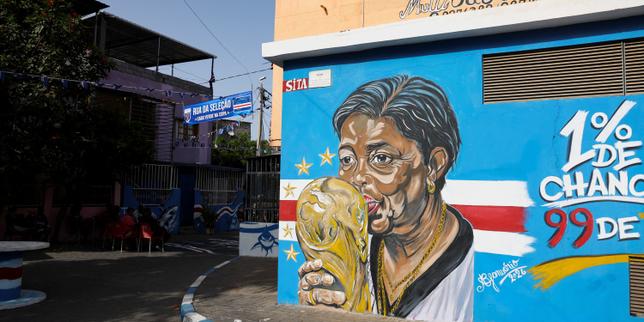
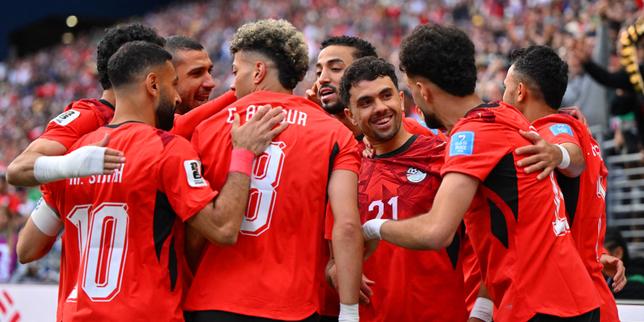
The football romanticists are out in full force again. They see a matchup between Cape Verde and the reigning world champions, Argentina, and they manufacture a narrative of beautiful, stress-free defiance. The mainstream sports media paints a picture of a tiny island nation soaking in the moment, playing with "house money" because nobody expects them to win.
It is a comforting fable. It is also entirely wrong.
When pundits applaud a small nation's fans for "just being happy to be here," they are not celebrating sportsmanship. They are patronizing an entire country. They are endorsing the soft bigotry of low expectations. This relaxed, stress-free attitude isn't a badge of honor; it is the exact psychological mechanism that keeps football's global hierarchy rigidly entrenched.
If Cape Verde wants to actually bridge the gap between football’s elite and the rest of the world, their fans, players, and federation need to stop treating a match against Argentina like a national holiday. They need to start treating it like a crisis.
The Illusion of the Stress-Free Underdog
The lazy consensus dictates that underdog status shields a team from pressure. If Argentina wins, it is business as usual. If Cape Verde pulls off a miracle, it is history. Therefore, the logic goes, Cape Verde has everything to gain and nothing to lose.
This is a fundamental misunderstanding of elite sports psychology.
In football, pressure is the oxygen of ambition. When a federation and its fanbase accept defeat before the whistle blows—disguising that acceptance as a "celebration of the journey"—they strip the match of its competitive reality.
- The Comfort Zone Trap: Playing without stakes means playing without accountability. If a defender misses a assignment that leads to a Lionel Messi goal, and the response is a collective shrug because "well, it's Messi," that federation has effectively stopped growing.
- The Revenue Mirage: Small nations often view these high-profile matches as financial windfalls from broadcasting rights and ticket sales. But without a cut-throat competitive drive, that money rarely transforms into sustainable infrastructure. It becomes a subsidy for mediocrity.
I have watched dozens of mid-tier national setups accept these showpiece matches against global giants. The pattern is always the same. The federation cashes the check, the players swap shirts with superstars at halftime, the fans sing in the rain, and five years later, the domestic league is still bankrupt.
The Financial Chasm Mainstream Media Ignores
Let’s dismantle the premise that these matches are a level playing field where "anything can happen over 90 minutes." The economic disparity between the Argentine Football Association (AFA) and the Federação Caboverdiana de Futebol (FCF) makes true sporting parity impossible under the current model.
| Metric | Argentina (AFA) | Cape Verde (FCF) |
|---|---|---|
| Squad Market Value | €800M+ | ~€30M-€40M |
| Primary Talent Source | Elite European Academies & Top Domestic Leagues | European Lower Divisions & Scattered Global Leagues |
| Infrastructure Funding | Multi-million dollar corporate sponsorships | Minimal government subsidies & FIFA Forward grants |
Imagine a scenario where a startup with a €30,000 budget tries to compete with an €800,000 corporate monopoly using the exact same playbook. You wouldn't tell the startup employees to "just enjoy the experience." You would tell them to change the game entirely or face annihilation.
When Cape Verde steps onto the pitch trying to play conventional football against Argentina, they are playing a game designed to make them lose. Argentina’s systemic advantages in scouting, sports science, and tactical education mean they win a standard match 99 times out of 100.
The real tragedy is that by accepting a "stress-free" defeat, the smaller nation validates the system that marginalizes them. They become the necessary extras in a movie starring Argentina.
The Solution: Cynical Anti-Football
If Cape Verde wants to shock the world, they must abandon the desire to be liked or praised for their "bravery." Bravery against Argentina gets you a 5-0 drubbing and a polite round of applause from the neutrals.
Instead, small nations must embrace tactical radicalism.
1. Weaponize Asymmetry
Stop trying to match their technical fluidity. If Argentina wants a game of chess, turn it into a street fight. This doesn’t mean physical violence; it means systemic disruption. High lines, aggressive low-blocks that suffocate space, and a complete refusal to engage in open-play transitions.
2. Kill the Tempo
The modern spectator hates time-wasting, foul-heavy, slow-tempo football. Excellent. That is exactly why Cape Verde should use it. Take 45 seconds over every throw-in. Draw tactical fouls in the middle third before Argentina can build rhythm. Frustrate the opposition until they make emotional errors.
3. Reject the Shirt-Swapping Culture
The submissive mindset starts in the tunnel. When players look at their opponents as idols rather than obstacles, the match is lost before kickoff. Federations should ban shirt-swapping until the qualification campaign is entirely over.
Stop Asking the Wrong Questions
People frequently ask: "How can a small nation like Cape Verde ever expect to beat a country with Argentina's footballing history?"
The question itself is flawed because it assumes history is a permanent barrier. Morocco didn't reach a World Cup semifinal by being happy to be there. They did it by implementing an agonizingly disciplined, defensive structure that elite European teams found deeply irritating to play against. They didn't care about entertaining the neutrals; they cared about surviving.
The alternative to this radical shift is grim. If small nations continue to treat these fixtures as carnival dates rather than competitive warfare, the gap will only widen. The expanded World Cup formats will simply create more opportunities for elite nations to pad their stats against cheerful, unbothered underdogs.
Stop celebrating the lack of stress in the Cape Verde camp. Demand anxiety. Demand anger. Demand a tactical plan that values a ugly, boring 0-0 draw over a spirited, entertaining loss. Until small-nation football culture replaces its joy of participation with an obsession for survival, they will remain nothing more than highly paid sparring partners for the football aristocracy.