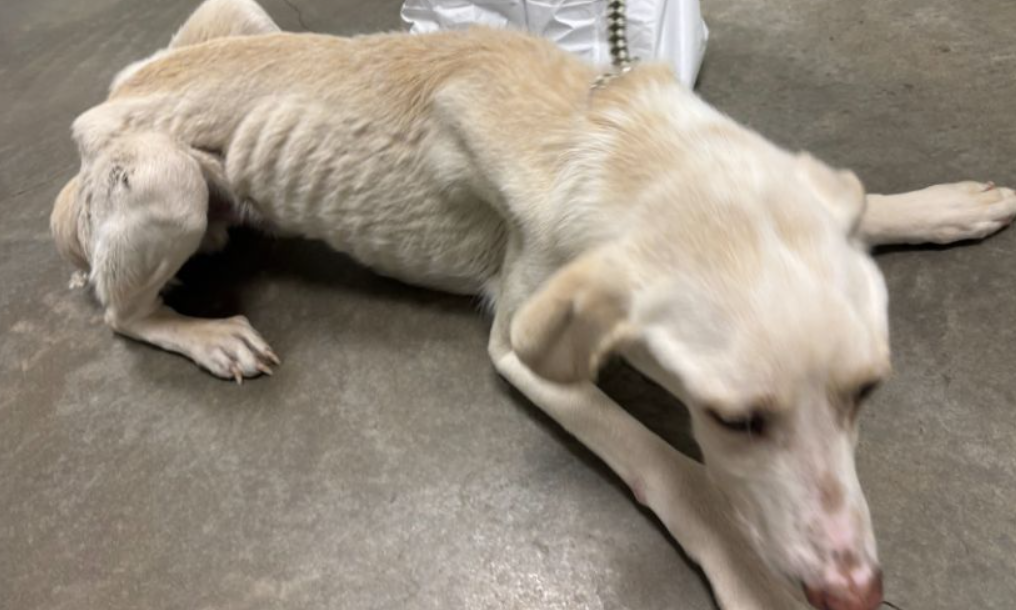
The BC SPCA is currently experiencing a systemic failure point driven by a fundamental misalignment between animal welfare supply chains and shifting macroeconomic variables. While surface-level reporting focuses on the emotional weight of "unhealthy animals," a rigorous analysis reveals a deeper triad of operational stressors: the collapse of the low-cost veterinary service tier, the inflationary pressure on household maintenance costs, and a significant degradation in the biological "quality" of incoming animal inventory. This is not merely a surge in volume; it is a qualitative shift in the nature of animal surrender that threatens the financial and operational viability of the non-profit model.
The Triad of Operational Stressors
The current crisis can be decomposed into three distinct pressure points that converge on the shelter system's intake processing units.
- The Veterinary Service Bottleneck: The private veterinary market has transitioned toward a high-margin, specialized care model. This has created a "service desert" for low-to-middle-income pet owners. When preventative care becomes unaffordable, treatable conditions escalate into chronic or acute pathologies. By the time these animals reach the BC SPCA, they are no longer "adoptable" in their current state; they are high-cost medical liabilities.
- Inflationary Maintenance Thresholds: The cost of basic inputs—specifically specialized therapeutic diets and pharmacological interventions—has outpaced general CPI (Consumer Price Index) growth. Pet owners who could previously manage a stable, healthy animal are being forced to surrender pets as soon as a diagnosis requires recurring monthly expenditure.
- Behavioral Pathologies of the Isolation Cohort: A significant portion of the current surrender population consists of "pandemic-era" acquisitions. These animals often lack the foundational socialization required for rapid rehoming. The resulting "length of stay" (LOS) in shelters increases, creating a compounding backlog that reduces the system's total throughput capacity.
The Cost Function of Modern Sheltering
The BC SPCA’s operational model relies on a high turnover rate. In a healthy system, an animal enters, receives a baseline assessment, and is rehomed within a predictable window. The current influx of unhealthy animals breaks this model by shifting the Cost per Unit (CPU) from a manageable baseline to an exponential curve.
Medical Debt Accumulation
When an animal is surrendered with a pre-existing, untreated condition—such as dental disease, untreated dermatological issues, or complex orthopedic needs—the organization inherits a "medical debt." Unlike private owners, the SPCA cannot defer this care if it intends to meet its ethical mandate for rehoming.
- Initial Triage Cost: High-intensity diagnostic screening (bloodwork, imaging) for neglected animals.
- Stabilization Cost: Long-term pharmacological intervention to reach a "base state" of health.
- Opportunity Cost: Every kennel occupied by a medically complex animal for six months represents 10 to 12 healthy animals that could have been processed in that same space.
This creates a bottleneck effect. As the shelter fills with "long-tail" medical cases, the ability to accept new surrenders diminishes, leading to the "pressure" cited by BC SPCA officials. The organization is essentially being transformed from a rehoming agency into a long-term chronic care facility.
The Economic Drivers of Owner Surrender
To understand the surge, we must categorize the surrender motivations beyond "lack of interest." The data suggests a direct correlation between housing insecurity and animal health.
- Housing Density Constraints: British Columbia’s rental market increasingly restricts pet ownership to "ideal" animals. Animals with minor behavioral issues or medical needs are the first to be excluded from the tightening housing supply, forcing surrenders from owners who would otherwise provide care.
- The Preventative Care Gap: There is a measurable lag between the onset of an animal's illness and the surrender event. Data indicates that owners are attempting to "white-knuckle" through pet illnesses due to the high cost of private vet clinics. By the time the SPCA receives the animal, the condition is often advanced, requiring 3x to 4x the resources it would have needed six months prior.
Evaluating the Logic of Systemic Capacity
The BC SPCA’s capacity is not a fixed number of kennels; it is a function of staff hours, medical expertise, and physical space.
$$C = \frac{S \times T}{L}$$
In this framework, C (Capacity) is determined by S (Space/Staff resources) multiplied by T (Total funding), divided by L (Length of Stay).
When the health quality of surrendered animals drops, L increases dramatically. Even if funding (T) remains stable or increases slightly through donations, it cannot compensate for an exponential increase in L. The result is a systemic "freeze" where intake must be restricted to prevent a total collapse of care standards within the facilities.
The Behavioral Component
"Unhealthy" does not exclusively refer to physical ailments. There is a rising prevalence of "behavioral unhealthiness." Animals that have not been socialized or have experienced trauma require intensive behavior modification. Unlike a broken leg, which has a predictable healing timeline, behavioral rehabilitation is non-linear and resource-heavy. This unpredictability makes it impossible for shelter managers to forecast kennel availability, leading to the current state of emergency.
Structural Limitations of the Non-Profit Response
While the BC SPCA is a robust organization, it operates under structural constraints that prevent a purely market-driven response.
- Labor Scarcity: The veterinary shortage affecting private practice is amplified in the non-profit sector. Attracting and retaining specialized medical staff in a high-stress, lower-pay environment creates a permanent staffing deficit.
- Donor Fatigue: While the public responds well to acute crises (e.g., a large-scale seizure of 50 dogs), they are less likely to fund the "boring" reality of rising operational overhead for chronic medical care. This leads to a mismatch between restricted funds (earmarked for specific rescues) and the general operating funds needed to keep lights on and pharmacies stocked.
- Facility Obsolescence: Many existing shelters were designed for a different era of animal welfare—one focused on short-term holding rather than long-term medical and behavioral stabilization. The physical infrastructure often lacks the isolation wards and quiet zones required for modern "unhealthy" intakes.
Strategic Shift Toward Preventative Intervention
The only path to stabilizing the system is a pivot from Reactive Sheltering to Proactive Community Support. If the cost of treating an animal inside the shelter is 5x the cost of supporting that same animal in its home, the organizational focus must shift.
- Subsidized Veterinary Outreach: Expanding the BC SPCA’s role as a low-cost service provider for the general public. By treating a skin infection for $100 today, the organization avoids a $2,000 surrender-and-rehabilitation case in six months.
- Tiered Intake Protocols: Implementing more rigorous pre-surrender counseling and support to determine if "medical surrender" can be avoided through a grant or temporary foster care.
- Corporate-Non-Profit Integration: Forging deeper partnerships with pharmaceutical and pet food corporations to secure inputs at at-cost rates, bypassing the retail markup that currently drains the SPCA’s liquid assets.
The BC SPCA is at a crossroads. The current trend line suggests that the volume of high-needs animals will continue to rise as long as the broader economic and veterinary sectors remain in flux. Continuing to operate as a high-volume rehoming center is no longer viable. The organization must either drastically increase its medical infrastructure—essentially becoming a province-wide hospital system—or aggressively move "upstream" to prevent animals from needing the shelter system in the first place.
The most immediate strategic move is the implementation of a Diverted Intake Model. This involves a rigorous assessment at the point of contact where an owner seeking surrender is instead offered a "preservation package"—access to the SPCA’s internal medical rates and behavioral consulting—conditional on keeping the animal. This reduces the burden on shelter floor space and utilizes the organization’s specialized knowledge without the overhead of 24/7 housing and daily care. Success in the next fiscal year will be measured not by how many animals are "saved" through intake, but by how many are "saved" by never entering the building at all.