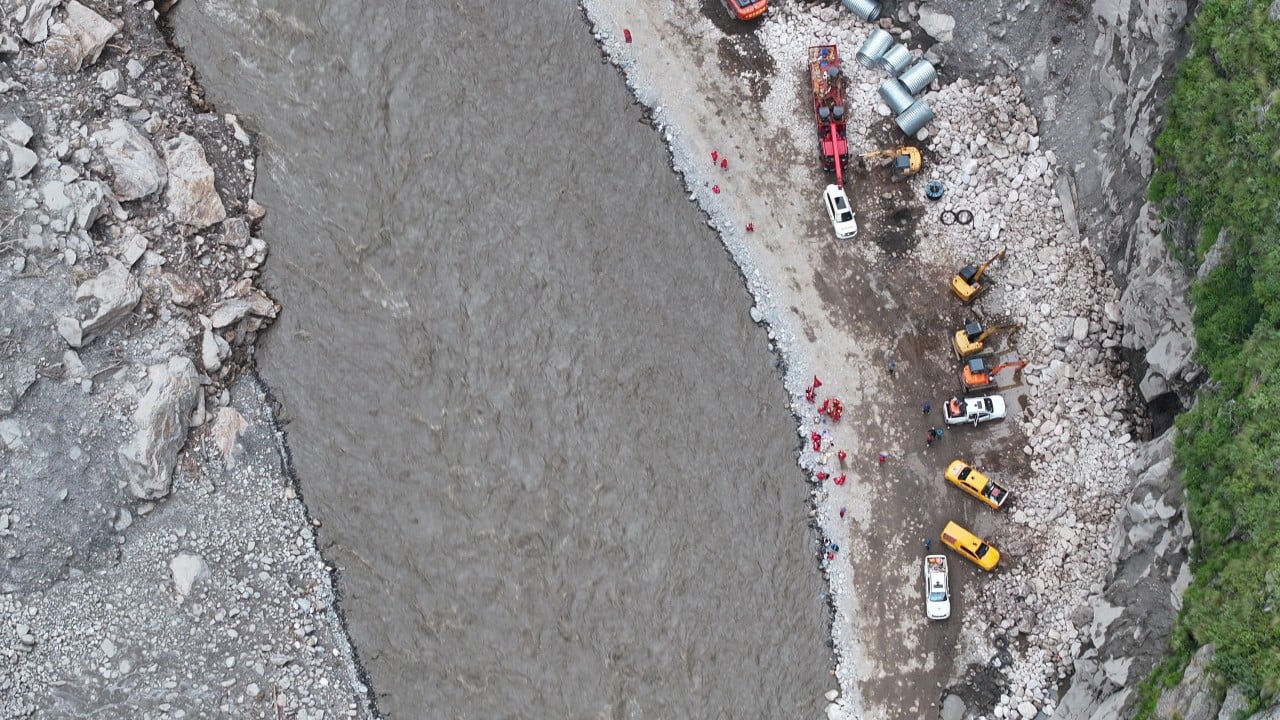
Kathmandu was not washed away. Neither was Pokhara, nor the Everest Base Camp trail. When catastrophic late-monsoon flash floods struck northern Nepal's Rasuwa district and the Bhote Koshi river corridor on August 26, 2026, the rolling news footage looked like absolute apocalypse. Buildings crumbled, roads vanished, and hearts stopped.
Globally, screens flashed with disaster warnings. Cancellations started piling up within hours.
That panic reaction is entirely understandable. It is also deeply misguided.
Nepal's Tourism Minister Khadak Raj Paudel launched the #NepalCalling campaign with a direct plea to international travelers: do not abandon the Himalayas. The country is facing a staggering human toll, with rescue operations pulling survivors and victims from isolated zones. But staying away out of an abundance of caution creates a secondary economic disaster for the thousands of families who depend entirely on tourist dollars.
Understanding the Geographic Reality of the Disaster
Geography is the single most misunderstood element of travel advisories during natural disasters. When a foreign country experiences a major crisis, headlines paint the entire map red.
The devastation in late August was heavily localized to the northern border region of Rasuwa and parts of Nuwakot, centering around the Bhote Koshi valley. Hydroelectric projects were damaged, and border settlements like Syabrubesi suffered severely. That is a distinct watershed and a specific northern transport corridor.
It did not swallow the rest of the country.
The major trekking regions sit miles away on entirely different paths and mountain ranges. If you planned an autumn trek, you need to look at the regional breakdown rather than writing off the entire nation based on a generalized news alert.
Where You Can Still Travel Safely Right Now
Most of Nepal's iconic outdoor infrastructure escaped the late-August weather events completely unharmed. Local guides, teahouses, and domestic airlines are preparing for the upcoming peak autumn season, which typically runs from October through November.
- The Everest Region: The Khumbu valley, Lukla flights, and routes toward Everest Base Camp, Gokyo, and the Three Passes are operating normally.
- The Annapurna Region: Annapurna Circuit, Annapurna Base Camp, Mardi Himal, and Ghorepani Poon Hill are completely open. These trails sit in a separate watershed and saw zero structural impact from the northern floods.
- Manaslu and Mustang: Both regions remain open and accessible for travelers seeking remote Himalayan passes.
- Cities and Lowlands: Kathmandu, Pokhara, Chitwan National Park, and Lumbini are fully functional. Airports, hotels, and city tours are running without interruption.
The Langtang and Rasuwa routes require patience and should be avoided until local authorities grant clearance. Everywhere else is ready for visitors.
Why Tourism Matters More Than Ever During a Crisis
Tourism accounts for a massive slice of Nepal's GDP and employs hundreds of thousands of people directly. Porters, teahouse owners, mountain guides, and drivers live on seasonal income. When travelers pull out en masse because of fear, small businesses take a catastrophic hit.
Money spent on a guide or a mountain lodge directly funds community rebuilding. It pays for food, education, and medical care in rural valleys where government aid takes time to arrive. Visiting right now transforms a simple vacation into direct, practical economic relief.
How to Plan Your Trip Responsibly
Do not just book a flight blindly and hope for the best. Smart travel right now requires a bit of extra homework and respect for local conditions.
Always check your specific itinerary with a registered, reputable local trekking agency. Confirm that your route does not cross the closed northern transport zones in Rasuwa. Keep a close eye on official updates from the Nepal Tourism Board and save emergency contact numbers like the Tourist Police hotline at 1144.
Keep your plans. Keep your bookings if they target the untouched regions. The mountain trails are waiting.