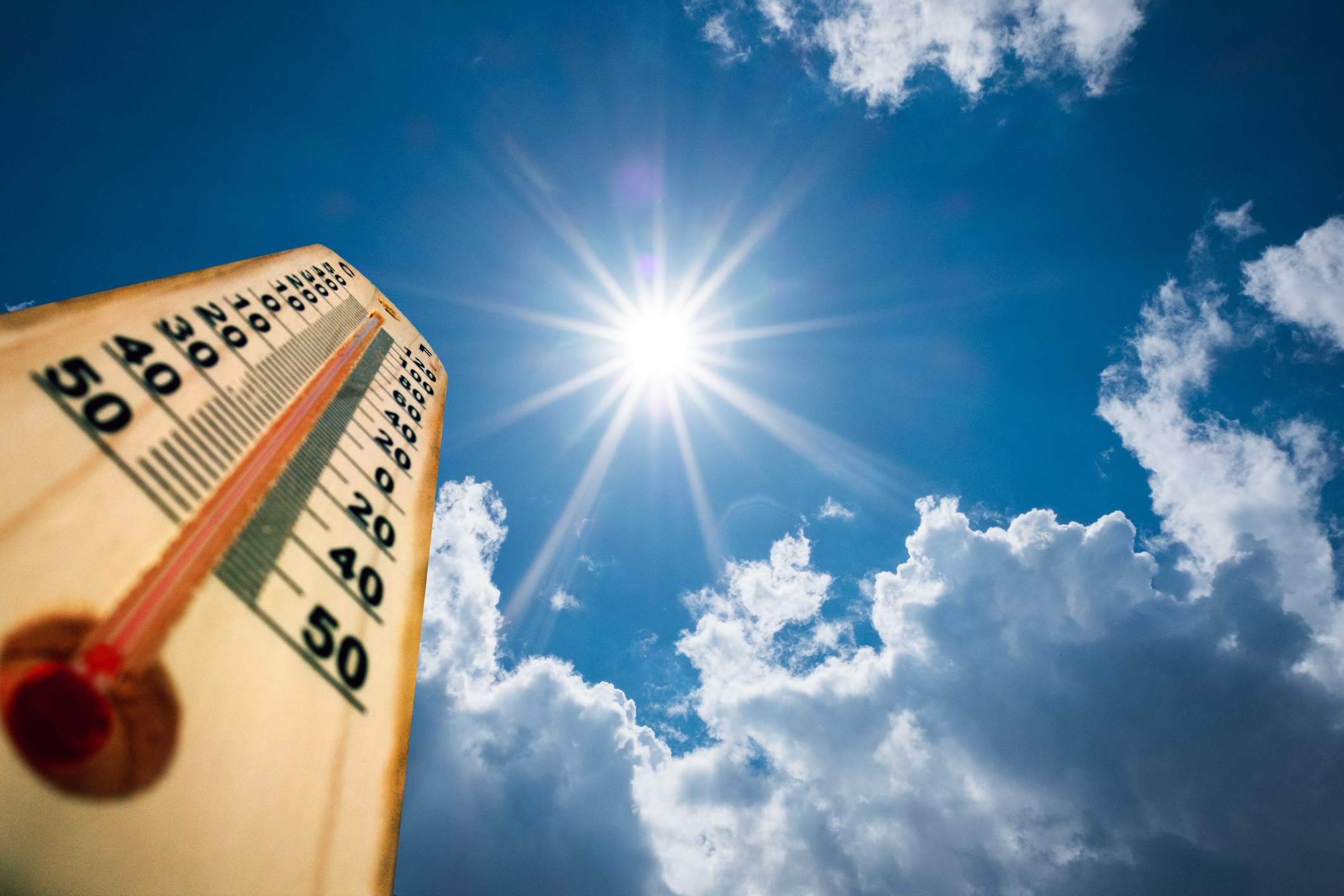
When Environment Canada drops official yellow heat warnings across urban centers like Calgary and Medicine Hat, it is time to stop treating the forecast like a casual summer bonus. We are looking at prolonged daytime highs hovering in the low-to-mid 30s, accompanied by stubborn overnight lows that refuse to drop below the mid-teens. That lack of nighttime cooling is precisely what makes these weather events dangerous. Buildings trap heat, bodies fail to recover, and emergency rooms start seeing a steady climb in preventable heat exhaustion cases.
If you live in southern Alberta, you already know how quickly a sunny afternoon can turn into an endurance test. But knowing it is hot and actually changing your behavior are two entirely different things.
Understanding the Real Threat of Alberta Heat Waves
Most people think heat safety is just about drinking an extra glass of water or wearing a hat. It goes much deeper than that. When ambient temperatures stay elevated for days on end, your cardiovascular system works overtime just to keep your core temperature stable.
Daytime highs hitting 32 to 34 degrees Celsius—and pushing even higher toward 38 degrees in localized pockets like Medicine Hat—mean the risk profile changes drastically. Overnight lows lingering around 14 to 17 degrees mean your home does not cool down naturally. Without air conditioning, indoor spaces become thermal traps.
Vulnerable populations bear the brunt of this. Infants, older adults, outdoor workers, and anyone managing pre-existing chronic conditions like heart or kidney disease face immediate physiological stress. Yet, social isolation remains one of the highest risk factors during extreme weather. If an elderly neighbor lives alone, they might not realize their apartment has turned into a heat trap until early symptoms of heat stroke set in.
Recognizing the Warning Signs Before It Is Too Late
Your body sends clear signals when it is failing to cope with thermal stress, but people often ignore them until it is an emergency.
- Headaches and dizziness: These are early indicators that your brain is reacting to dehydration and restricted blood flow.
- Nausea and intense fatigue: When your body diverts blood to the skin to cool down, your digestive system and muscles suffer.
- Dark urine and lack of sweating: If you stop sweating in extreme heat, you are entering a dangerous phase where your cooling mechanism has shut down.
Heat stroke is a medical emergency that requires an immediate call to 911. If someone shows confusion, slurred speech, a red and hot skin tone, or loses consciousness, do not wait for them to feel better. Move them into shade or air conditioning, strip away excess layers, and apply cold wet cloths or ice packs directly to their body while waiting for paramedics.
Practical Steps to Protect Yourself and Your Community
Getting through a severe heat wave requires tactical adjustments to your daily routine. Forget standard advice and focus on what actually works on the ground.
Reschedule heavy outdoor chores for the early morning hours before 9:00 AM, or wait until late evening after the sun clears the horizon. If you must work outside, build in mandatory shaded breaks every thirty minutes. Hydration requires planning ahead; drink fluids before you actually feel thirsty. Once thirst sets in, your body is already playing catch-up.
Check your home environment right now. Close blinds and heavy curtains on south-facing windows to block solar heat gain during peak afternoon hours. If your living space lacks air conditioning, identify public cooling spaces, local libraries, or air-conditioned community centers within your neighborhood.
Never assume someone else is checking on vulnerable friends or family members. Pick up the phone or drop by in person multiple times a day to confirm that older relatives or isolated neighbors are staying cool and drinking fluids. Double-check parked vehicles every single time you exit, and make absolute sure that children or pets are never left behind in a sealed car for even a minute, as interior temperatures can spike to lethal levels within minutes. Adjust your habits, look out for the people around you, and treat these weather alerts with the seriousness they demand.