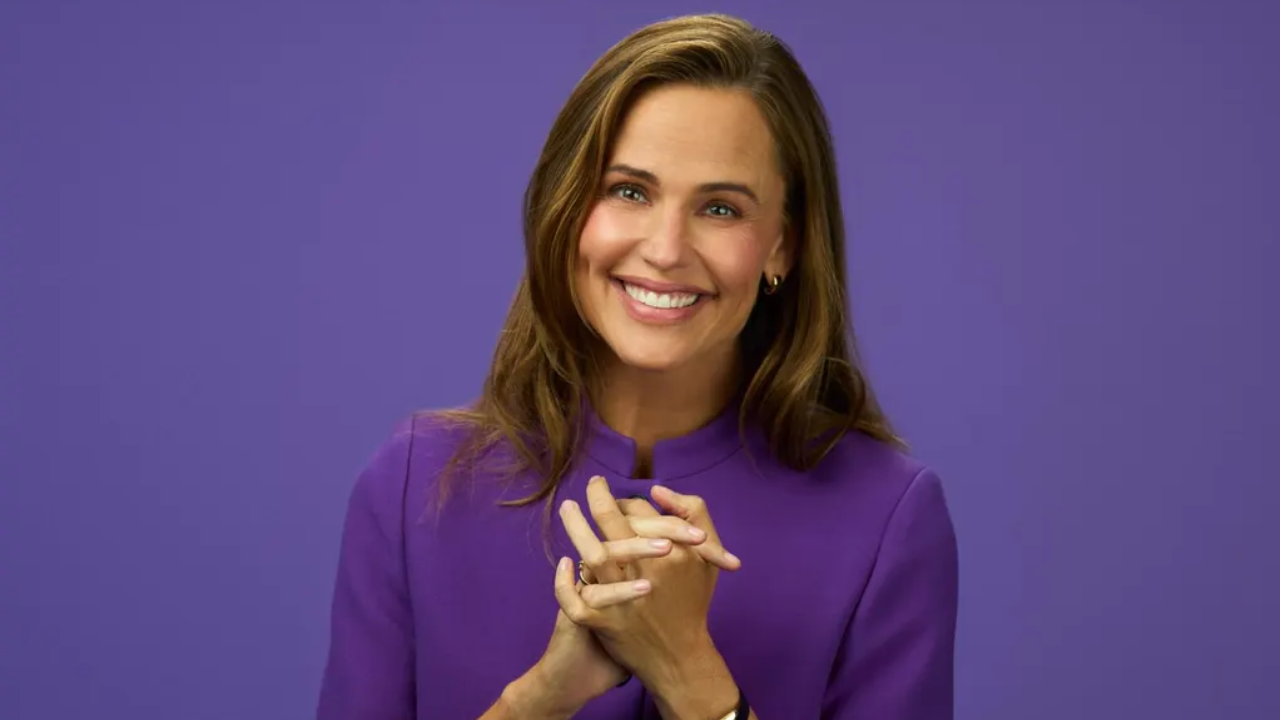
When Bumble debuted on the Nasdaq in February 2021, public markets treated it like gold. The stock opened at seventy dollars, pushing the company valuation past fourteen billion dollars and crowning Whitney Wolfe Herd as a tech icon. Fast forward a few years, and the euphoria vanished. Bumble agreed to a take-private deal with Ithaca Holdings valuing the company at roughly $1.3 billion, offering shareholders $6.05 per share in cash.
That price tag represents a massive premium over its depressed trading floor right before the announcement. It also marks a staggering ninety-one percent collapse from its IPO peak. This buyout isn't just corporate shuffling. It's a loud wake-up call about what happens when subscription models face severe user fatigue and growth stalls out completely. In related news, take a look at: The Nobel Prize for Fixing Broken Markets.
The Financial Reality Behind the Buyout
You don't take a high-profile tech company private out of sheer ambition. You do it because the public markets punish missed expectations quarter after quarter. Bumble's financial slide became impossible to ignore. In its second-quarter financial reports, revenue dropped 15.2 percent year-over-year down to $210.5 million, while paying users shrunk by 16.4 percent to 3.2 million.
A business designed for continuous scaling cannot survive shrinking user bases without slashing costs. The company cut roughly a third of its global workforce in a desperate attempt to stabilize operations. Net losses piled up, including heavy impairment charges. When quarterly earnings reports consistently show double-digit declines in active paying customers, public investors lose patience fast. Going private gives leadership a shield from Wall Street's relentless scrutiny while they try to fix the product behind closed doors. The Economist has also covered this important subject in extensive detail.
When Product Overhauls Fail to Move the Needle
Bumble tried everything to reverse the bleeding. Founder Whitney Wolfe Herd returned to the CEO chair to steer a turnaround, rolling out heavy artificial intelligence features and a structural app overhaul dubbed Bumble 2.0. They even tinkered with their core identity—the iconic rule where women had to message first in heterosexual matches—allowing men to initiate conversations to see if friction was killing engagement.
None of it worked the way executives hoped. While management marketed AI profile guidance and smart matching tools as the future of digital romance, actual daters responded with apathy. Studies tracking engagement metrics among modern app users show that tech-heavy feature updates often fail to solve the underlying problem: people are simply exhausted by swiping. Adding chatbot features to a dating app doesn't fix the core burnout of modern courtship.
Dating App Fatigue Is Real
Bumble's collapse isn't happening in a vacuum. The entire online dating sector is sweating through a massive cultural shift. Match Group, which controls Tinder and Hinge, has managed better retention numbers, with Hinge scaling upward, but the golden era of effortless user acquisition is gone.
People are deleting these apps because the experience feels transactional, frustrating, and exhausting. When users realize an app is optimized to keep them single and paying rather than help them find a partner, they leave. Bumble built its entire brand on empowerment, but as subscription fatigue set in, the company discovered that goodwill doesn't protect a balance sheet from sinking user metrics.
Moving away from the public eye gives Bumble the breathing room to restructure without quarterly earnings calls exposing every operational misstep. Whether private ownership can genuinely reinvent online dating or simply manage a managed decline remains to be seen.