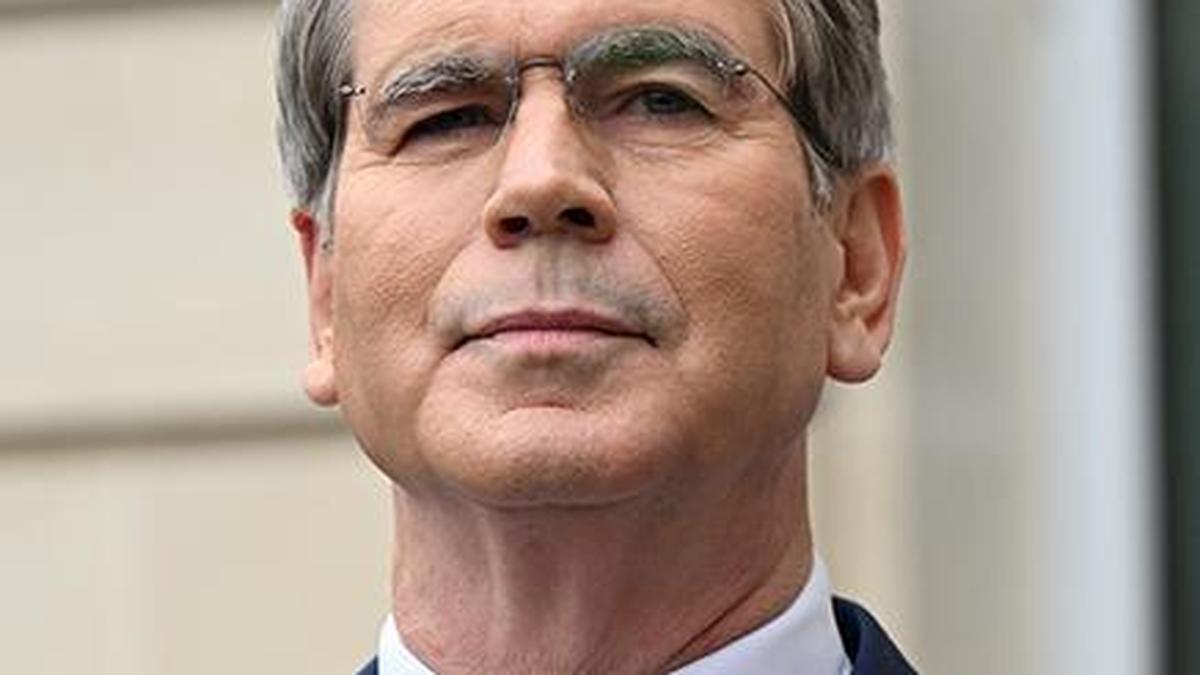
The United States is preparing to "unsanction" approximately 140 million barrels of Iranian crude oil currently idling in tankers across the globe. Treasury Secretary Scott Bessent confirmed on Thursday that the administration is weighing a plan to release this massive volume of "stranded" oil into the physical market. The goal is to blunt the sharp spike in energy prices that has seen Brent crude surge past $110 per barrel following the closure of the Strait of Hormuz. By flooding the market with Iranian supply—the very same supply the U.S. has spent years trying to choke off—the administration hopes to bridge a 10-to-14-day supply gap while military operations in the Middle East continue.
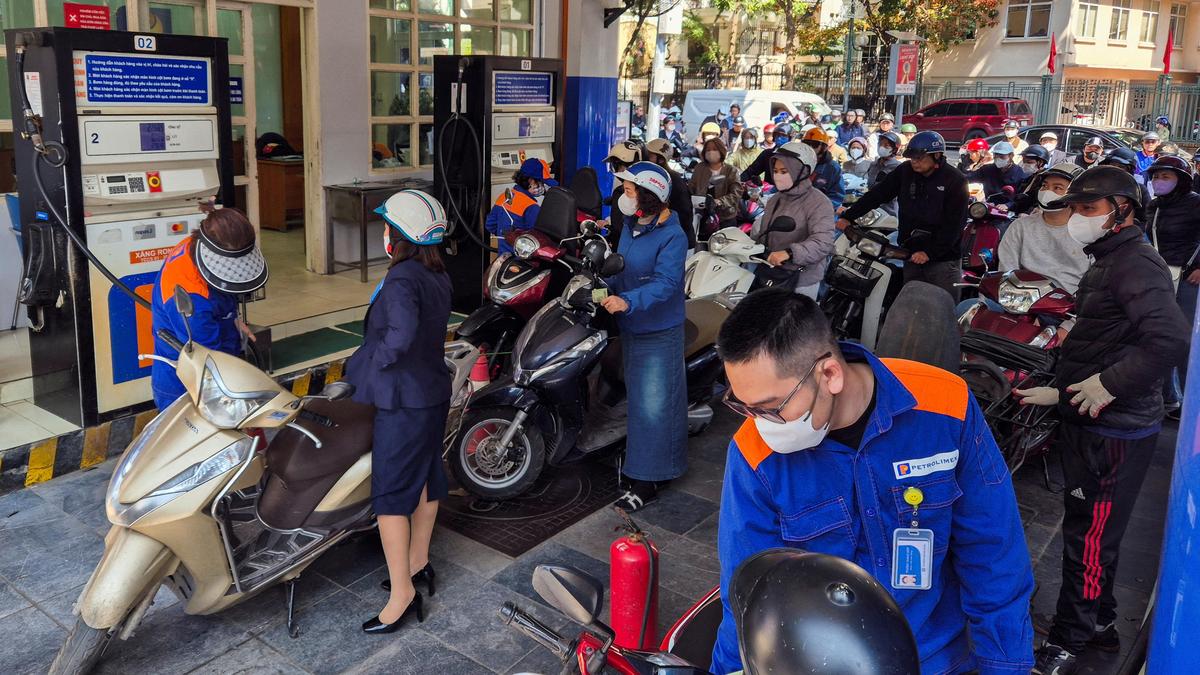
This is a desperate pivot. The move effectively turns a primary adversary’s greatest asset into a short-term fire extinguisher for the American economy. It is a tacit admission that the "maximum pressure" campaign on Tehran has collided with the reality of $5-per-gallon gasoline and a global energy deficit of 14 million barrels per day.
The Calculus of Contradiction
On the surface, the strategy is baffling. The U.S. is currently engaged in a military campaign against Iran that has seen the destruction of over 120 Iranian vessels and strikes on critical infrastructure. Yet, the Treasury Department is simultaneously looking to facilitate the sale of 140 million barrels of Iranian oil.
Bessent argues the move is tactical. "In essence, we will be using the Iranian barrels against the Iranians to keep the price down," he told Fox Business. The logic is that this oil is already "on the water" and destined for China. By removing the threat of secondary sanctions, the U.S. can redirect this flow into the broader global market, stripping Tehran of its exclusive leverage over Beijing and lowering the cost of crude for everyone else.
However, the "why" goes deeper than simple price cooling. This is about the integrity of the global coalition. The administration is struggling to convince allies like Japan and South Korea to commit their navies to securing the Strait of Hormuz. By releasing this oil, the U.S. offers a peace offering to energy-starved partners in Asia, essentially saying: We will let the oil flow if you help us guard the pipes.
Repeating the Russian Blueprint
This isn't the first time the Treasury has pulled this lever this month. Just weeks ago, a similar 30-day waiver was granted for 130 million barrels of Russian oil stranded at sea. The pattern suggests a new doctrine in Washington: Sanctions are absolute until they threaten the domestic consumer.
Critics in Congress have already begun to howl. Rep. Sam Liccardo and others argue that these waivers provide a financial lifeline to the very regimes the U.S. is trying to isolate. When the U.S. eases sanctions to let Russian or Iranian oil reach the market, it validates the "shadow fleet" tactics these nations have used to bypass Western restrictions.
The administration’s defense is that they are targeting the physical market, not the financial one. They insist the payments for this oil will be funneled into U.S.-controlled accounts that Iran cannot access for military purposes—a condition Tehran is almost certain to reject. This creates a standoff where the oil may be "unsanctioned," but the money remains trapped, leaving the tankers in a legal and financial limbo that may not be resolved as quickly as Bessent’s 10-day timeline suggests.
The Strait of Hormuz Stranglehold
The backdrop to this decision is the catastrophic disruption of the Strait of Hormuz. Approximately 20% of the world's oil and liquefied natural gas (LNG) passes through this narrow waterway. With Iran effectively closing the transit route, the world is facing a deficit of 10 million to 14 million barrels per day.
The 140 million barrels "on the water" represents roughly 10 to 14 days of that deficit. It is a temporary patch. Once those tankers are empty, the fundamental problem remains: the world's most critical energy artery is severed.
Current Market Disruptions
- Brent Crude: Hovering near $112, with extreme volatility.
- China’s Role: Beijing has transitioned from a buyer of last resort to an "unreliable" supplier, halting exports of refined products like jet fuel to conserve its own stocks.
- The Strategic Petroleum Reserve (SPR): The U.S. is already planning a unilateral release above the 400-million-barrel G7 joint action, leaving the American "emergency fund" at its lowest levels in decades.
The Geopolitical Fallout
The decision to release Iranian oil is also a signal to China. For years, China has been the primary beneficiary of sanctioned Iranian crude, buying it at deep discounts. By unsanctioning that oil, the U.S. is attempting to normalize the price and distribution. If the oil is available to everyone, China loses its "special relationship" pricing.
But there is a high risk of backfiring. Russia has already warned that any nation joining the U.S. naval coalition in the Strait will be considered a party to the conflict. If the "unsanctioning" of Iranian oil is seen as a bribe to get Japan or other nations to send warships, it could escalate the regional war into a global maritime conflict.
A Gamble with No Safety Net
The Treasury is playing a high-stakes game of market psychology. They want to convince traders that the supply crunch is temporary, hoping to drive down futures prices without actually ending the war.
But physical markets are less susceptible to rhetoric than financial ones. A tanker of oil at sea is only useful if it can be unloaded, refined, and distributed. Many refiners remain hesitant to touch Iranian crude, fearing that a sudden shift in the political winds—or a new executive order—could leave them holding a multi-million-dollar liability.
The "unsanctioning" might clear the paperwork, but it doesn't clear the risk. As long as the missiles are flying in the Persian Gulf, no amount of "stranded" oil will truly stabilize a market that is fundamentally broken. The U.S. is trading its long-term sanctions credibility for two weeks of price stability. It is a trade that history rarely looks upon kindly.
The White House must now convince a skeptical global market that this isn't just a fire sale of its own foreign policy. If the tankers don't move, and the prices don't drop, the administration will be left with the worst of both worlds: a funded enemy and an impoverished voter.