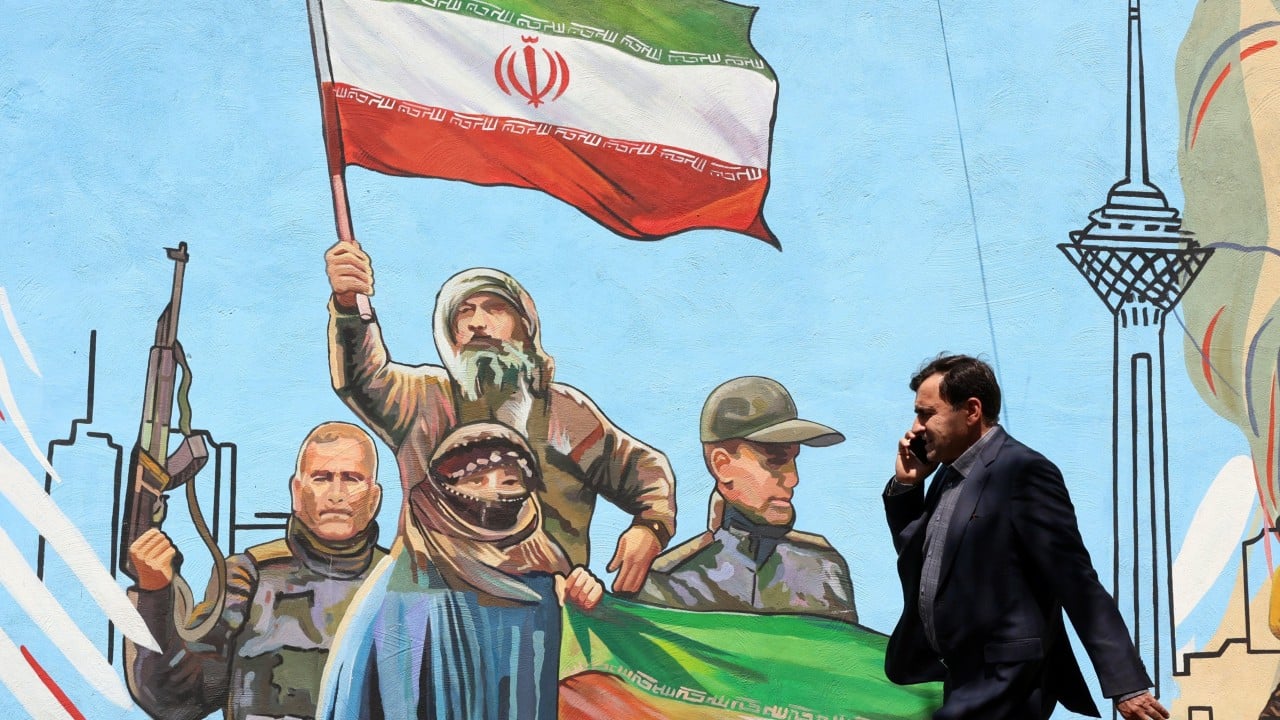
The white-hot theater of Washington diplomacy reached a fever pitch this weekend when President Donald Trump declared that a comprehensive peace deal to end the hundred-day-old war with Iran would be signed by Sunday. Flanked by optimistic dispatches from Pakistani Prime Minister Shehbaz Sharif, who promised a breakthrough within 24 hours via an electronic signing ceremony, the administration signaled that the catastrophic conflict in the Persian Gulf was effectively over.
It is a narrative designed for maximum impact, but it does not match the cold reality on the ground. You might also find this similar article insightful: The White Coats Are Going Dark in Khyber Pakhtunkhwa.
While Washington broadcasts a triumphant victory lap ahead of the upcoming G7 summit in France, Tehran is actively pumping the brakes. Iranian Foreign Ministry spokesperson Esmaeil Baghaei bluntly contradicted the White House timeline, stating that while progress has been made, no signing will occur on Sunday. This public disconnect is not just a dispute over dates on a calendar; it reveals a profound chasm between American political expectations and the complex, unresolved mechanics of a genuine ceasefire. As both nations stare into the abyss of total regional war, the rush to declare victory risks collapsing a fragile diplomatic process before the ink can even dry.
The Illusion of a Sunday Victory
The American public has been told that the Strait of Hormuz will be opened immediately to all global maritime traffic following a historic Sunday signing. This announcement temporarily calmed rattled global oil markets, but seasoned observers recognize the familiar pattern of maximum pressure showmanship. As highlighted in latest coverage by The Guardian, the implications are significant.
The strategy relies heavily on Pakistan acting as an electronic bridge to fast-track an accord. However, declaring a definitive timeline before both parties have reconciled the text violates the first rule of high-stakes diplomacy. Iran’s swift, public refusal to validate the Sunday deadline exposes the structural instability of the current framework.
Tehran is operating under a cloud of deep institutional grief and strategic caution. With funeral ceremonies for former Supreme Leader Ayatollah Ali Khamenei—killed in the war's opening salvo on February 28—scheduled for July, the current leadership cannot afford to look like they are capitulating to a digital ultimatum. By trying to force a symbolic weekend victory, the White House has inadvertently given Iranian hardliners a reason to stall.
Unfulfilled Objectives and the Shifting Goalposts
To understand why this deal is teetering, one must look at the expansive checklist the Trump administration established at the onset of hostilities. The initial military objective was absolute: the total destruction of Iran’s missile industry and the elimination of its operational navy and air force.
Trump's Shifting Missile Estimates (2026)
[Late March] ■■■■■■■■■■ 90% Reported Destroyed
[Mid-May]    ■■■■■■■■░░ 82% Revised Estimate
[Current]    ░░░░░░░░░░ Capacity Retained (U.S. Intercepts Drones)
Military reality has a stubborn way of interfering with political rhetoric. While Pentagon briefings emphasize that strikes have severely degraded Iran's conventional command structures, the strategic threat remains potent. Just hours before the peace deal was proclaimed imminent, U.S. Central Command had to intercept a swarm of Iranian attack drones targeting commercial vessels in the Strait of Hormuz.
A senior diplomat close to the negotiations, speaking on the condition of anonymity, confirms that the deal currently on the table is far more modest than the administration admits.
"The terms are highly conceptual. We are looking at a basic framework to pause hostilities, not a permanent resolution. There is still a 50 percent chance the entire apparatus collapses before next week."
The Core Fault Lines
The friction preventing a definitive signature boils down to three core issues that cannot be resolved by an electronic signature.
The Nuclear Stumbling Block
The White House has billed the emerging Memorandum of Understanding as a total block on Iran’s nuclear ambitions. Yet, Iranian Foreign Minister Abbas Araghchi clarified that the critical issue of highly enriched uranium has actually been kicked down the road into a 60-day post-signing technical window. Washington wants immediate destruction or export of the fissile material; Tehran views that material as its final piece of geopolitical leverage.
Frozen Assets vs. Verification
A major point of contention is the sequence of economic relief. Iran expects the immediate release of tens of billions of dollars in frozen global assets and the total lifting of the naval blockade the moment a pause is signed. Vice President JD Vance and congressional hawks have pushed back, insisting that economic benefits will only flow after verified compliance.
The Demining Dilemma
Even if a deal is signed, the Strait of Hormuz cannot simply open tomorrow. The waterway is heavily mined. The administration intends to use the G7 summit to pitch a multilateral demining initiative involving British and French naval assets, a process that will take weeks of dangerous, coordinated maritime operations while the U.S. blockade remains functionally in place.
Spoilers in the Wings
The rush to secure an exit ramp overlooks the regional players who have no desire to see a flawed status quo restored. Israel has already signaled significant discomfort with any agreement that leaves Iran with a residual nuclear breakout capacity or an intact proxy network in Lebanon and Yemen.
Furthermore, Iran's recent direct strikes against Israel shattered the historical paradigm of shadow warfare. Tehran proved it can alter the risk calculus for Washington by threatening a broader regional conflagration. If the proposed agreement does not address Israel’s core security requirements, any bilateral understanding between Washington and Tehran will be built on sand.
The administration’s desire to wind down a costly, disruptive conflict is understandable. The global economy demands an open Strait of Hormuz, and the American electorate has little appetite for another protracted campaign in the Middle East. But lasting peace is forged through meticulous, painful technical synchronization, not unilateral declarations on social media. By treating the end of a war as a public relations deadline, the White House has exposed the soft underbelly of its diplomacy, giving Tehran the leverage to dictate the timing of the final act.