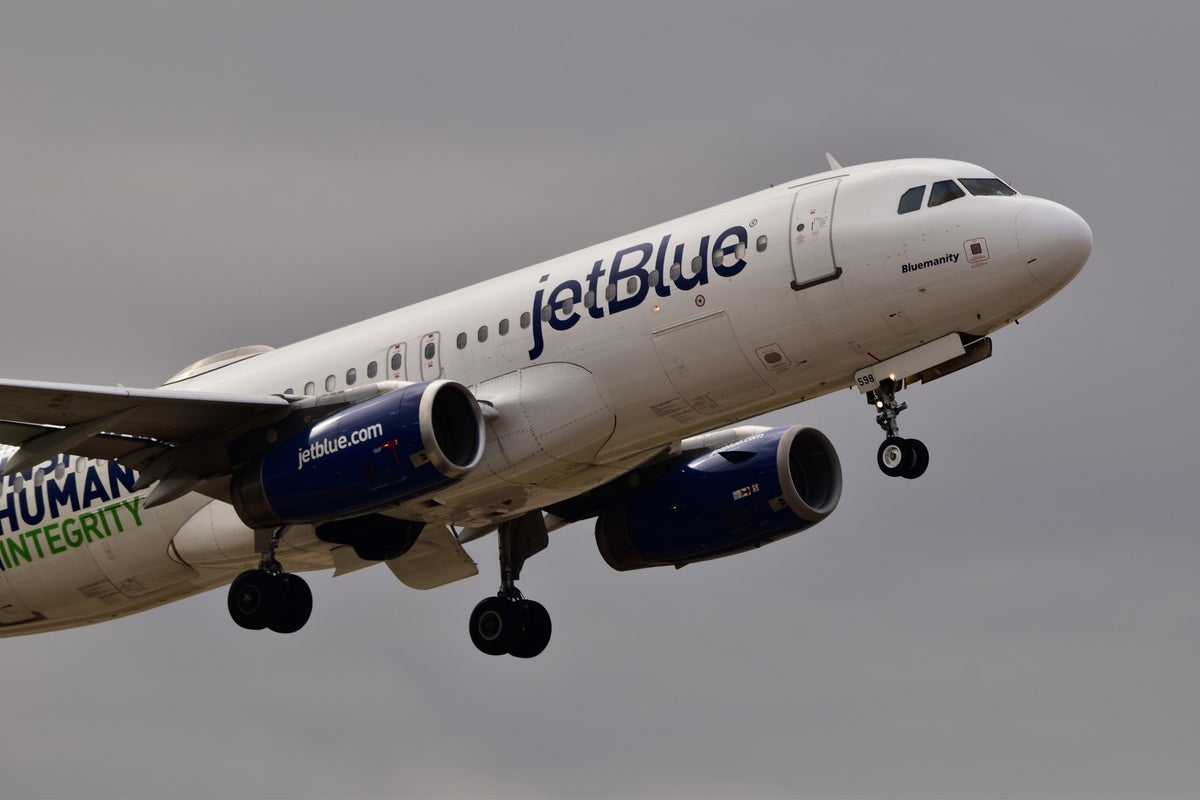
Holidaymakers in Britain are currently staring down a travel environment defined by anxiety. As fuel costs spiral due to the ongoing conflict in Iran, the travel sector has become a minefield of potential surcharges and sudden cancellations. Amid this chaos, Jet2 has emerged with a definitive stance: they have officially ruled out imposing fuel surcharges on booked travel. By removing the surcharge provision from their terms and conditions, the operator is signaling that the price you see when you click "book" is the absolute total you will pay, regardless of how fuel markets shift in the coming months.
This is a move intended to stabilize demand. In an industry where competitors are increasingly vocal about adjusting fares to reflect surging kerosene prices, Jet2 is gambling on brand loyalty and consumer peace of mind.
The Economics of the Promise
To understand why this matters, one must look at how airlines actually function. Fuel typically represents between 20 and 30 percent of an operator’s total expenditure. When a conflict disrupts supply chains or pushes oil prices to extreme highs, that cost burden sits squarely on the carrier’s balance sheet.
Most major airlines protect themselves through a mechanism known as hedging. This involves buying fuel contracts months—sometimes years—in advance at a locked-in price. It is effectively a bet against volatility. If an airline has successfully hedged a high percentage of its fuel requirements, it can afford to be generous with its pricing promises.
If they have failed to hedge adequately, they are left with two unappealing options: absorb the losses and hope for a market reversal, or pass those costs to the consumer.
Jet2’s decision to formally scrub surcharge provisions from its contract is a clear indicator of confidence in their current hedge position. They are betting that they have locked in enough fuel at prices low enough to endure the current spike. This is not charity. It is a calculated strategy to capture market share from competitors who are forced to adjust their pricing upward or, more alarmingly, cancel services that have become unprofitable to operate.
Why Other Carriers Are Struggling
The contrast between Jet2 and companies like IAG, the parent firm of British Airways, is stark. While Jet2 is leaning into a "no-surcharge" narrative, others are publicly confirming that they must adjust pricing to remain viable. This is an admission of vulnerability.
The aviation industry is notoriously thin-margined. Even small, sustained increases in the price per barrel of oil can turn a profitable route into a loss-maker overnight. Some carriers have responded by simply grounding aircraft. If a flight cannot be filled at a price point that covers the cost of fuel and operation, the rational business decision is to stop flying that route.
This creates a hidden danger for the traveler. You might not face a surcharge, but you could face a cancellation. A company that guarantees price stability but lacks the inventory to actually deliver the flight is not providing a service; they are providing a voucher for a headache.
The Reality of Package Travel Regulations
It is worth noting that the legal framework in the UK offers some protection, albeit often misunderstood by the public. Under established package travel regulations, there are strict rules governing when and how a travel company can increase the price of a holiday after it has been booked.
These rules require companies to provide substantial notice and clearly justify the increase. Furthermore, there are caps on how much a price can be raised before the customer is entitled to a full refund and a cancellation without penalty. Many operators choose never to utilize these provisions because doing so is a customer service catastrophe. They would rather suffer a temporary margin squeeze than suffer the long-term reputation damage of a "surprise" bill sent to a family weeks before their holiday.
Jet2’s move is essentially a public relations masterstroke. They are codifying a practice that was already the industry standard for responsible operators, but they are framing it as a bold, customer-first policy. It is a brilliant way to differentiate themselves in a market where consumers are looking for any reason to feel secure.
Navigating the Booking Minefield
If you are currently holding a booking or looking to travel this summer, the core takeaway is that the risk of a "hidden" surcharge is statistically low, but the risk of schedule disruption is genuine.
Ignore the marketing noise. Focus instead on three practical realities:
- Hedging as a proxy for stability. If you are choosing between airlines, look for the carriers that have publicly discussed their fuel hedging strategies. Those that have hedged well are the ones that will keep flying. Those that have not are the ones most likely to trim their schedules to save costs.
- Tourist taxes are separate. No amount of fancy airline PR will exempt you from local tourist taxes. These are state-mandated fees paid at the hotel or resort level, and they are immune to airline hedging. Budget for these separately.
- The value of the package. The primary advantage of a package booking remains the same: it keeps the airline, the hotel, and the transfer under a single, unified liability. If a carrier cancels a flight, they are responsible for getting you to your destination or providing a refund. If you book the flight and hotel separately, you are your own travel agent, and you bear the full weight of the logistical collapse when a flight is pulled.
The current volatility is not a temporary blip. It is a systemic issue tied to global energy markets. Until these fuel markets settle, price movements will be erratic. If your priority is absolute price certainty, booking with an operator that has removed surcharge provisions is the safest route. However, do not let that promise of price stability blind you to the larger issue of schedule reliability. In this environment, the ability of an airline to actually deliver the seat is more valuable than the price of the ticket.