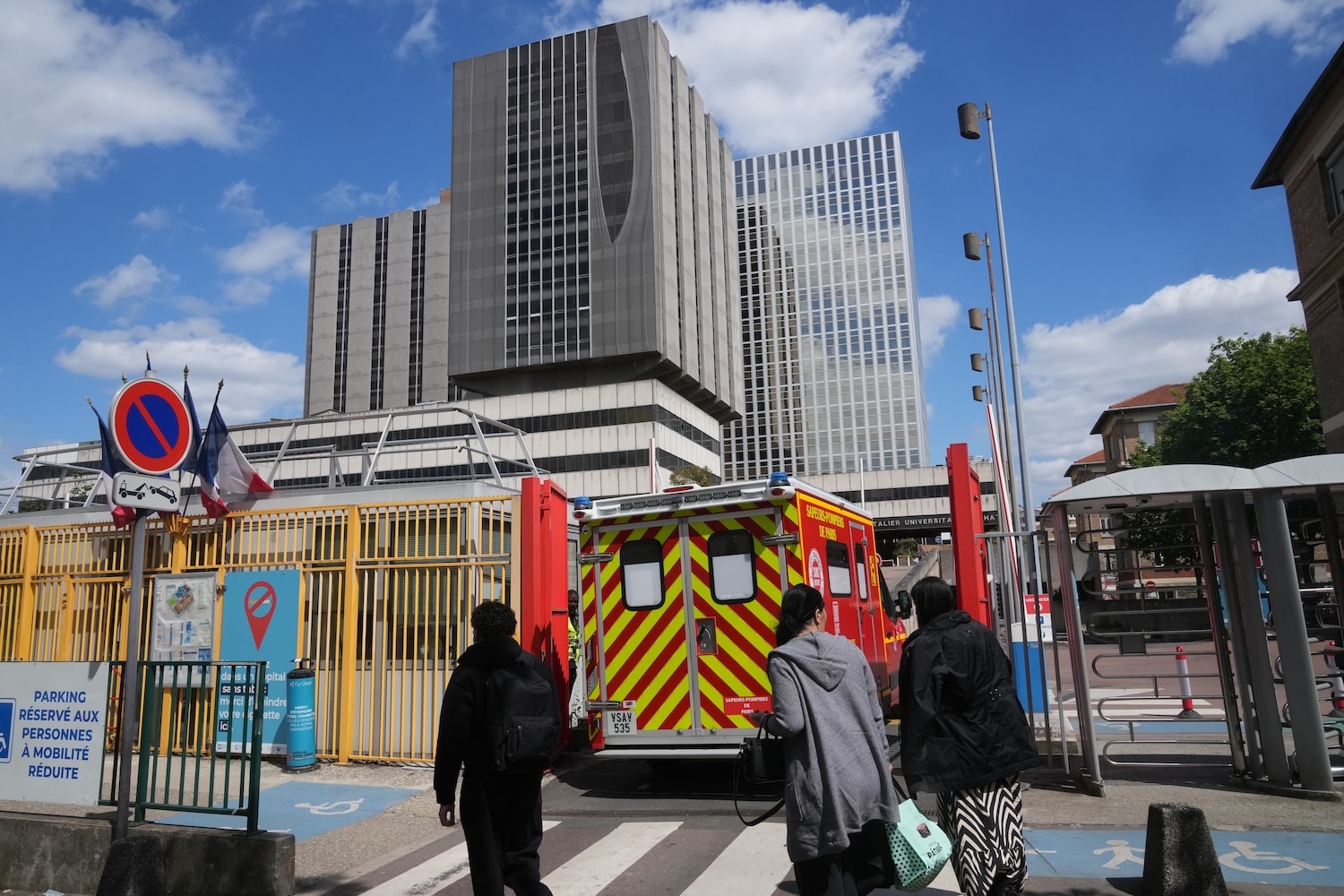
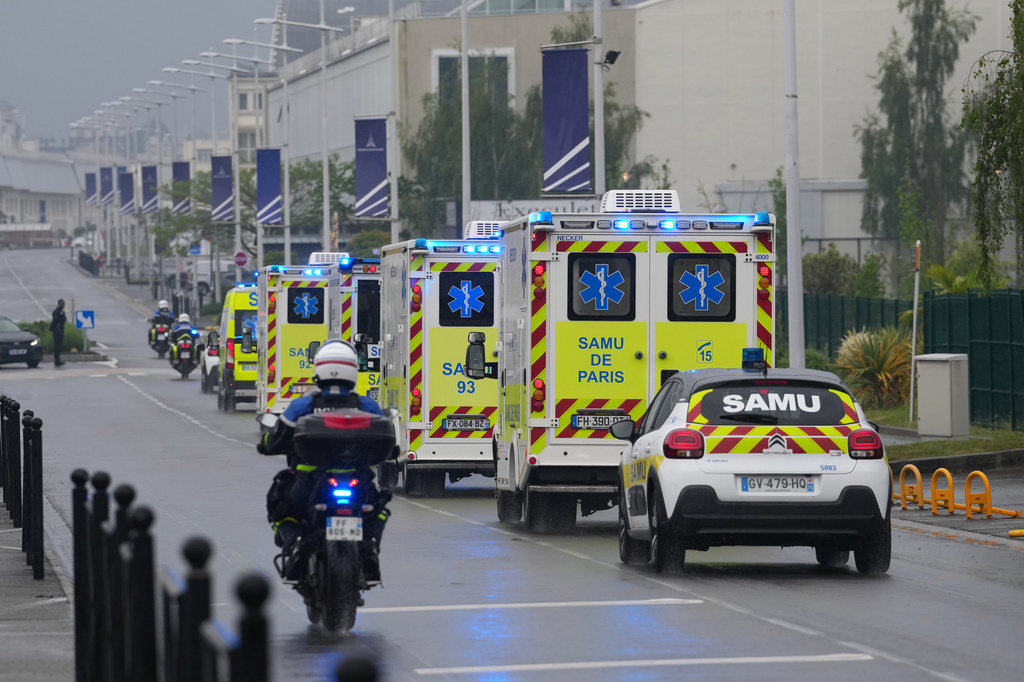
Panic travels faster than any pathogen ever could. Recent reports of British citizens being transported thousands of miles to isolate following a potential hantavirus exposure have sent a ripple of anxiety through the public consciousness. While the headlines scream of a looming global threat and quote global health officials out of context, the reality on the ground is a mix of aggressive clinical caution and a fundamental misunderstanding of how this specific family of viruses actually operates. This is not the next airborne plague. It is a localized, rodent-borne risk that remains difficult to contract, yet lethal enough that medical authorities refuse to take a single chance with the paperwork or the patients.
The logistics of flying individuals 5,000 miles to secure isolation facilities isn't a sign that the world is ending. It is a sign that the current international health infrastructure is terrified of a repeat of 2020. By overreacting to isolated cases, governments hope to signal competence, even if the biological reality of hantavirus suggests that such massive movements are more about optics and containment protocols than a high risk of a community outbreak.
The Mechanics of a Rodent Born Threat
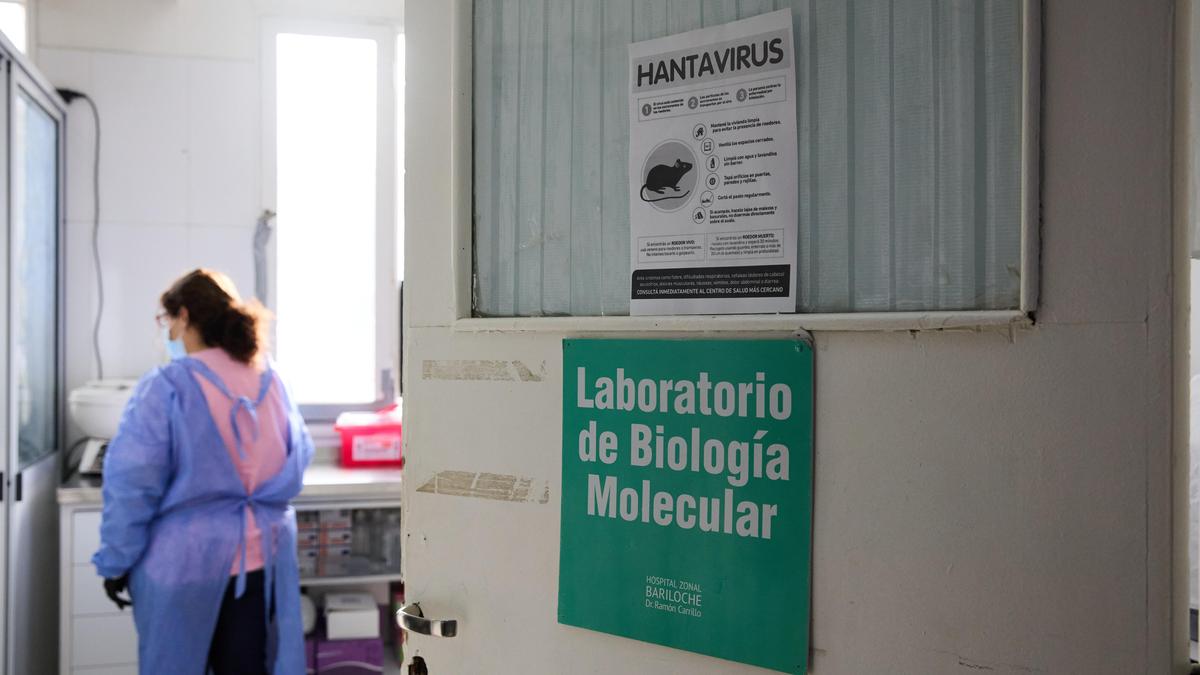
Hantaviruses are not new, and they certainly aren't mysterious to those who study zoonotic diseases. These are RNA viruses primarily carried by rodents—mice, rats, and voles. The primary mode of transmission is the inhalation of aerosolized virus particles from the droppings, urine, or saliva of an infected host. You don't get this by sitting next to someone on a bus. You get it by sweeping out a dusty shed that has been infested with deer mice for six months.
The clinical profile is split into two terrifying categories. In the Americas, we deal with Hantavirus Pulmonary Syndrome (HPS), which fills the lungs with fluid and carries a mortality rate of roughly 40 percent. In Europe and Asia, the variant typically causes Hemorrhagic Fever with Renal Syndrome (HFRS). While HFRS is generally less lethal than the pulmonary version, it still wreaks havoc on the kidneys and causes internal bleeding.
The biological bottleneck for this virus is human-to-human transmission. With the very rare exception of the Andes virus strain in South America, hantaviruses generally do not jump from person to person. This is the crucial fact that most sensationalist reports bury. When you hear about British travelers being flown across oceans to isolate, the risk isn't that they will start a chain reaction in the airport terminal. The risk is that they are already infected and require specialized care that a standard local clinic might not be equipped to provide without risking accidental exposure to staff during invasive procedures.
Why the WHO Chief is Sounding the Alarm
When the Director-General of the World Health Organization speaks about a virus "spreading," he isn't always predicting a pandemic. He is often highlighting the shifting geography of disease. Climate change and rapid urbanization are pushing rodent populations into new territories and into closer contact with humans.
Environmental disruption acts as a catalyst. As we build deeper into rural landscapes or as shifting weather patterns change the food supply for rodent populations, the frequency of "spillover events" increases. The warning is a call for better surveillance, not an announcement of an impending lockdown. The global health community is currently obsessed with "Disease X"—the unknown pathogen that could trigger the next crisis. Because hantavirus has such a high mortality rate, it sits high on the watch list, even if its current transmission mechanics make a pandemic unlikely.
The Logistics of Fear and 5000 Mile Isolation
The decision to fly people halfway across the globe for isolation is a massive undertaking that involves diplomatic clearance, specialized medical transport planes, and staggering costs. Why do it? Because the liability of a "potential" outbreak is now considered higher than the cost of a private medevac.
We are living in an era of defensive medicine at a geopolitical scale. If a government allows a potential hantavirus patient to remain in a low-resource environment and a rare human-to-human mutation occurs, the political fallout would be terminal. The 5,000-mile journey is a vacuum-sealed insurance policy. These patients are often placed in "High Level Isolation Units" (HLIUs), which feature negative pressure rooms and dedicated waste management systems designed to handle pathogens like Ebola or Marburg.
The Overlooked Factor of Diagnostic Lag
One of the most dangerous aspects of the hantavirus conversation is the difficulty of early detection. The initial symptoms are indistinguishable from a common flu. Fever, muscle aches, and fatigue dominate the first few days. By the time the "leakage" phase begins—where blood vessels start to fail and fluid enters the lungs or kidneys—it is often too late for simple interventions.
There is no vaccine. There is no specific antiviral treatment that serves as a silver bullet. Care is purely supportive. This lack of a "cure" is what drives the high-level response from health authorities. When you can't treat the disease effectively, your only move is to contain the body.
Breaking Down the Transmission Myths
- Myth: You can catch hantavirus from a cough in a crowded room.
- Reality: Unless it is the specific Andes strain, transmission requires direct contact with rodent excreta or inhalation of contaminated dust.
- Myth: Hantavirus is a new "supervirus" emerging from a lab.
- Reality: It has been part of the human ecosystem for decades, with the Four Corners outbreak in the U.S. in 1993 being the most famous modern example.
- Myth: A single case means a local lockdown is imminent.
- Reality: Because it doesn't spread easily between people, containment is focused on the site of the rodent infestation, not the movements of the infected person.
The Economic Impact of Zoonotic Anxiety
Every time a headline links the WHO with a "new" spreading virus, markets react and travel patterns shift. The "Brits flown 5,000 miles" narrative targets the travel industry's jugular. It creates a perception that international travel is a game of Russian Roulette with exotic diseases.
However, the real economic threat isn't the virus itself, but the deteriorating state of rural public health. While we spend millions on a single high-profile medical evacuation, the baseline surveillance of rodent populations in developing regions is often ignored. We are treating the smoke and ignoring the fire. True security would involve investing in local diagnostic kits that can identify hantavirus in the field within hours, rather than waiting days for a lab in a capital city to confirm a case while the patient is already being loaded onto a trans-Atlantic flight.
The Reality of the Risk for the Average Person
If you aren't cleaning out a long-abandoned cabin or working in agricultural settings with heavy mouse activity, your statistical risk of contracting hantavirus is effectively zero. The obsession with these cases is a form of "medical voyeurism." We are fascinated by the high-stakes drama of isolation tents and hazmat suits because they provide a clear, visible enemy in an increasingly complex world.
The real danger is the complacency that follows these bursts of panic. When the "threat" doesn't materialize into a global catastrophe, the public tunes out. This "cry wolf" effect makes it harder to mobilize resources for the genuine threats that do possess high transmission rates.
Medical Logistics as the New Diplomacy
The transport of these individuals also highlights a growing divide in global healthcare. The ability to extract your citizens from a potential "hot zone" is a luxury of the wealthy West. It serves as a stark reminder that while a virus may not discriminate, the response to it is entirely dependent on the strength of your passport and the depth of your government's pockets.
The specialized units receiving these travelers are some of the most advanced medical environments on earth. They are designed to be impenetrable. The fact that they are being used for hantavirus suspects shows that we have reached a point where the threshold for "extreme bio-exclusion" has dropped significantly. We are no longer waiting for the fire to spread; we are dousing the entire neighborhood the moment someone smells smoke.
Stop Looking for the Next Pandemic in the Wrong Places
We have to stop framing every zoonotic event as the beginning of the end. Hantavirus is a devastating illness for the individual, but it lacks the biological "machinery" to shut down society. The focus on these 5,000-mile flights distracts from the necessary work of improving hygiene, rodent control, and rural healthcare.
The WHO’s warning is a prompt for systemic vigilance, not a signal to hoard supplies. When health officials talk about spread, they are talking about the expansion of the virus's habitat. They are concerned about the fact that the borders between the wild and the urban are dissolving.
If you want to protect yourself, put down the tabloid and put on a mask the next time you decide to clean out your garage. Use a disinfectant to wet down any areas where you see rodent droppings so you don't kick up dust. Simple, manual prevention is far more effective than any high-altitude medical extraction. The drama of the long-haul isolation flight is a spectacle of modern logistics, but the battle against hantavirus is won with a spray bottle and a bit of common sense.
Ground yourself in the biology of the threat. The virus needs a specific path to reach you, and that path is paved with dust and neglect, not airplane aisles and city streets. Keep your living spaces sealed, your storage areas clean, and your perspective rooted in the data rather than the drama of the 24-hour news cycle. Information is the only isolation chamber that actually works for the public.
Verify the rodent activity in your local area through municipal health reports before starting any major renovation or cleaning projects in outbuildings.