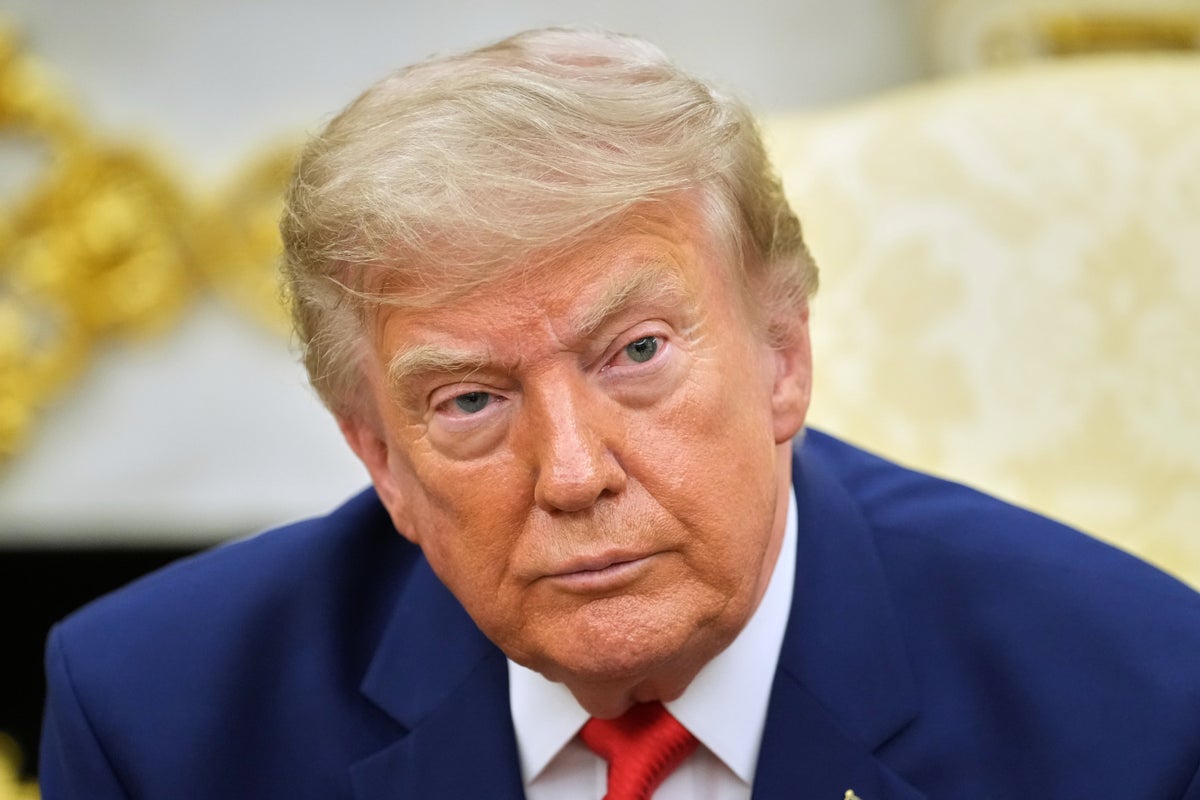
When Prime Minister Andy Burnham announced a national £2 bus fare cap across England starting January 2027, the political optics were undeniable. Millions of commuters facing a squeezed cost of living immediately see a tangible discount on their daily journeys. By reversing the £3 fare ceiling introduced under the previous administration, Downing Street delivered a swift populist victory in its opening week.
Behind the headline figures lies a far more fragile financial reality. Lowering fares does not automatically fix broken transit networks, nor does it guarantee long-term service reliability. Capping a single ticket price addresses only the passenger's immediate point-of-sale friction while leaving the underlying structural deficits of Britain's bus system largely untouched.
The Financial Illusion of Price Controls
Public transport subsidies are easy to announce but notoriously complex to sustain. The newly announced policy carries a £454 million price tag, designed to compensate private bus operators for the shortfall between commercial fares and the £2 cap.
To fund the intervention, the Treasury is redirecting £400 million by converting international climate finance grants into loan instruments, alongside budget trims within the Department for Energy Security and Net Zero.
+------------------------------------+---------------------------------------+
| Funding Source                     | Allocated Amount                      |
+------------------------------------+---------------------------------------+
| Climate Finance Reprioritisation   | £400 Million                          |
| Departmental Budget Savings        | £54 Million                           |
| Existing DfT Bus Allocations       | Balance of Total £500M+ Package       |
+------------------------------------+---------------------------------------+
Shifting capital from long-term environmental investment to bankroll temporary operational subsidies creates a dangerous funding precedent. It buys short-term political relief by borrowing against future climate obligations.
"Cheaper transport means very little if the bus simply fails to show up on the curb."
🔗 Read more: The Names We Carry Across the Gulf
When fare caps operate without guaranteed long-term revenue streams, operators face a predictable dilemma. If state reimbursement rates fall short of rising fuel, labor, and maintenance costs, commercial companies quietly prune low-margin routes. The passenger pays £2, but the bus runs half as often.
Beyond the Headline Figures
The policy traces its origins to the post-pandemic recovery efforts of early 2023, when the initial £2 cap was introduced across England. While the measure successfully generated tens of millions of additional trips during its initial run, the financial strain led to its revision up to £3.
Returning to the lower rate creates a stark geographical divide across the country:
- Urban Congestion vs Rural Isolation: Metropolitan networks like London and Greater Manchester benefit from dense passenger volumes and integrated municipal oversight. In rural shires, where routes span vast mileage with sparse readership, flat-fare subsidies rarely cover actual operating losses.
- Modal Shift Realities: Historical data shows that discounted fares primarily encourage existing passengers to travel more frequently, rather than convincing committed motorists to abandon their personal vehicles.
- The Franchising Divide: Regional mayors possessing direct powers over bus scheduling can coordinate fare structures effectively. Rural councils lacking franchising authority remain at the mercy of private commercial operators who can withdraw underperforming lines at short notice.
A flat fare does not rebuild a schedule. It does not hire missing drivers, and it does not upgrade aging diesel fleets to zero-emission vehicles.
The Long-Term Structural Problem
During his tenure as Mayor of Greater Manchester, Burnham demonstrated the political power of unified transport branding through the Bee Network, bringing fragmented routes back under public regulation while locking in a local £2 cap. Transporting that model onto a national canvas involves radically different economic variables.
Central government intervention of this scale risks creating systemic dependency. Once passengers adapt to a subsidized £2 fare, removing the cap becomes politically toxic, regardless of fiscal conditions. Private bus companies adjust their business models around state top-ups rather than organic ridership growth.
If fuel prices spike or inflation drives up driver wages, the required subsidy expands exponentially. Without a permanent revenue source built into local transport budgets, the national Treasury must repeatedly raid other public accounts to keep the program afloat.
True transport reform requires systemic capital investment rather than recurring temporary relief packages. Upgrading priority lanes, modernizing depot infrastructure, and granting local authorities genuine franchising powers would yield lasting improvements in speed and service frequency. A cheap ticket on a declining network remains a poor trade-off for communities reliant on public transit to access employment, education, and healthcare. Capping the fare solves the headline, but it leaves the system fighting for air.