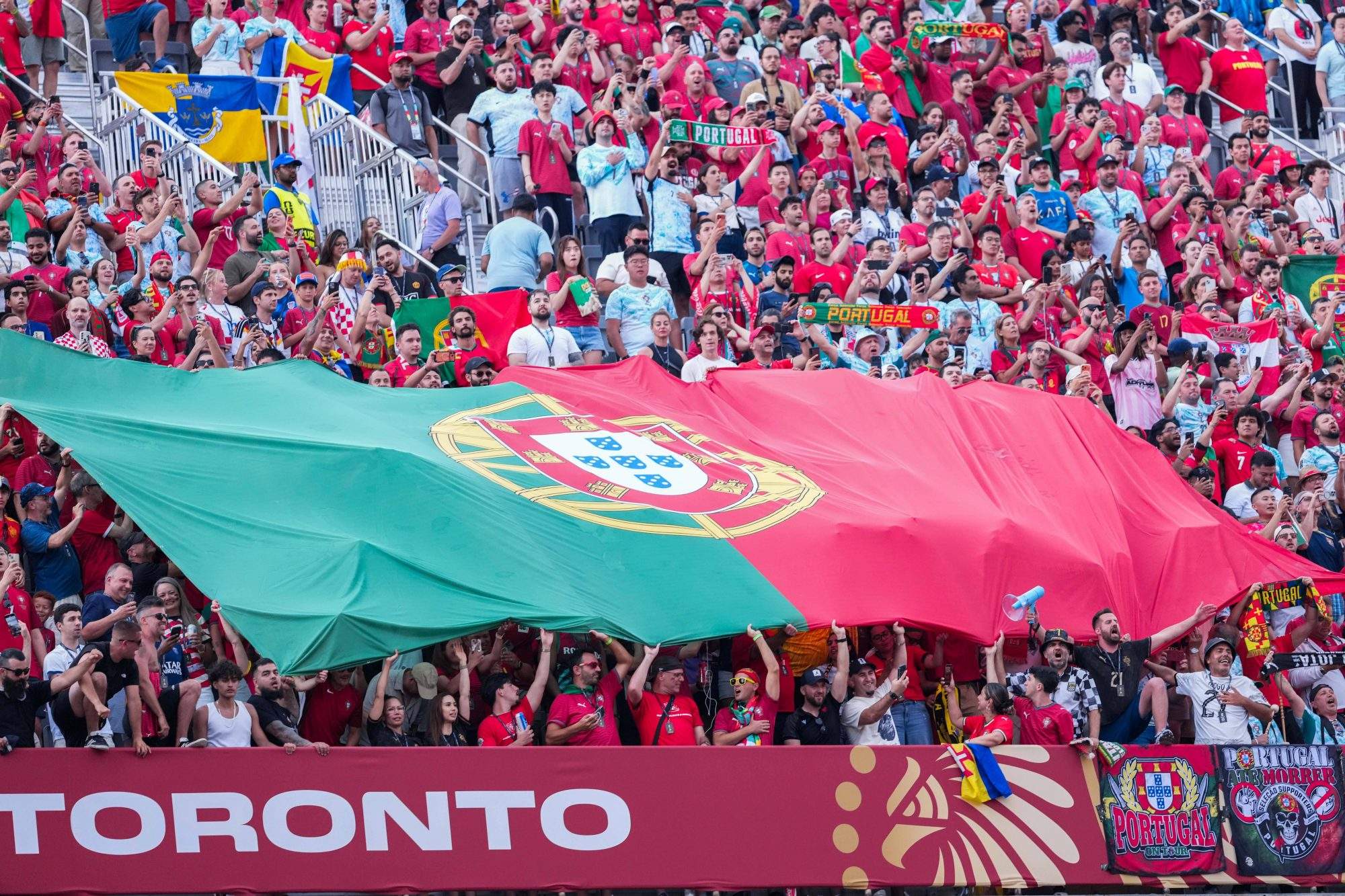
When the Portugal national team manager publically lamented that Toronto was not hosting more matches for the 2026 FIFA World Cup, he voiced a sentiment shared by soccer purists worldwide. To the casual observer, restricting one of North America's most soccer-passionate, multicultural hubs to just six group-stage matches feels like a massive missed opportunity. However, looking past the emotional complaints of international managers reveals a harsh reality. Toronto is not hosting more matches because the city simply cannot afford to, and FIFA’s ruthless economic model ensures that local taxpayers shoulder the blame while global soccer executives pocket the profits.
The anger from international soccer figures misses the underlying financial mechanics of modern mega-events. To understand why Toronto secured a meager six matches—and why asking for more would have been fiscal suicide—one must look at the predatory nature of host city agreements.
The Illusion of the World Cup Windfall
Host cities are routinely promised billions of dollars in economic spillover. Municipal governments buy into the hype, envisioning packed hotels, bustling restaurants, and a global spotlight that elevates the city's brand for decades. The reality is far bleaker.
FIFA operates as a sovereign entity during the tournament, demanding sweeping tax exemptions, free infrastructure upgrades, and massive security guarantees. The revenue generated from ticket sales, broadcasting rights, and prime sponsorships flows directly back to Zurich. Meanwhile, the host city is left to foot the bill for operational costs, stadium expansions, and policing.
Toronto’s initial cost estimates for hosting were pegged around $290 million. By the time the ink dried on the final agreements, that figure skyrocketed past $380 million. For a city already battling a structural budget deficit, every additional match hosted represents an exponential increase in municipal liability, not a commercial gain.
The Cost of BMO Field Upgrades
Consider the stadium requirements alone. BMO Field, the city-owned stadium utilized by Toronto FC, is fundamentally a Major League Soccer venue. To meet FIFA's strict capacity mandates of at least 45,000 seats for World Cup matches, the city had to commit to a major temporary expansion.
- Temporary Seating Infrastructure: Adding over 17,000 seats to a stadium constrained by nearby rail corridors and historic exhibition grounds is a logistical nightmare.
- Natural Grass Mandates: Replacing the hybrid surface with a specialized, pure natural grass pitch that meets international tournament standards requires massive capital outlay.
- Media and Hospitality Zones: Displacing local community spaces to build broadcast compounds and exclusive VIP lounges that will be torn down weeks later.
These are sunk costs. They do not leave a lasting legacy for local sports fans. They are temporary luxury accommodations built for a multi-billion-dollar circus that packs up and leaves a month later.
Why Vancouver and the US Giants Locked Down the Bracket
International managers looking at a map might wonder why a metropolis like Toronto gets sidelined while American gridiron stadiums host the lucrative knockout rounds. The answer comes down to existing infrastructure scale.
Cities like Dallas, Los Angeles, and Atlanta are utilizing massive, modern NFL stadiums that already feature capacities hovering between 70,000 and 100,000 seats. These venues possess built-in luxury suites, expansive corporate hospitality footprints, and advanced media infrastructure designed for the biggest sporting events on earth.
| Host City | Venue | World Cup Capacity | Structural Expansion Needed? |
|---|---|---|---|
| Dallas (Arlington) | AT&T Stadium | 92,000+ | Minimal |
| Los Angeles (Inglewood) | SoFi Stadium | 70,000+ | Minor pitch adjustments |
| Atlanta | Mercedes-Benz Stadium | 71,000+ | Superficial alterations |
| Toronto | BMO Field | 45,000 | Massive structural overhaul |
FIFA’s decision-making algorithm is not motivated by a city's historic love for the game or its cultural diversity. It is driven by ticket inventory and corporate hospitality yields. A stadium that holds 45,000 people generates roughly half the gate revenue of a premier American venue. From a pure volume standpoint, Toronto was never in the running for a deep run of knockout games because the city's stadium infrastructure is simply too small to maximize FIFA's bottom line.
The Hidden Logistics and Security Premium
Every additional match assigned to a city scales up the security threat matrix and municipal gridlock. Toronto’s transit system is already under immense strain. The transit lines servicing the Exhibition Place grounds are notoriously congested during regular commuter hours.
Injecting hundreds of thousands of international tourists into this fragile ecosystem requires an unprecedented deployment of transit personnel, shuttle buses, and traffic management teams. The cost of policing a FIFA event is vastly different from a standard domestic sporting event. The security perimeter demands international counter-terrorism protocols, airspace restrictions, and elite tactical units on standby for weeks at a time.
The federal and provincial governments have agreed to subsidize portions of these costs, but a substantial chunk still falls upon the municipal tax base. When a national team manager calls it a "shame" that Toronto isn't hosting more games, they are looking at the situation through the lens of sporting romance. They aren't looking at the overtime hours billed by emergency services or the total disruption of a city's core logistical network.
Negotiating from a Position of Weakness
Canada’s joint bid with the United States and Mexico was always an unequal partnership. The United States holds the vast majority of the political and financial leverage in the North American sports market. Toronto and Vancouver were brought along to provide geographic variety and a veneer of continental unity.
When Vancouver initially backed out of the bidding process due to concerns over hidden costs and FIFA's unyielding contract demands, Toronto pressed forward alone. This left the city with zero bargaining chips. FIFA knew Toronto wanted the prestige of being Canada's primary anchor city. As a result, the city accepted a contract that heavily favored the governing body, committing hundreds of millions of dollars for a handful of group-stage fixtures.
By the time Vancouver re-entered the fold after realizing the political fallout of missing out completely, the match allocations were largely locked in stone. Toronto was trapped in a bad deal, forced to spend premium dollars for a subpar slate of games.
Subsidizing Global Entertainment with Local Debt
The modern sports landscape is broken. Municipalities routinely bankrupt their future capital budgets to fund playgrounds for international sports federations. Toronto’s school infrastructure is aging, public housing is underfunded, and local roads are crumbling under a massive repair backlog.
Spending hundreds of millions to expand a stadium for six games is an indictment of municipal priorities. The narrative that this tournament will pay for itself via tourism dollars is a well-documented myth proven wrong by economists tracking past World Cups from South Africa to Brazil. Tourists coming for the World Cup displace regular business travelers and traditional vacationers who avoid the chaos and inflated hotel prices. The net economic gain is frequently a wash, while the public debt remains static.
The Portugal manager’s critique highlights a fundamental truth about elite soccer: it exists in a bubble completely divorced from local civic realities. Toronto hosting more matches would not have been a triumph for the city; it would have been a fiscal catastrophe. The real shame isn't that Toronto got skipped over for the marquee elimination rounds. The real shame is that the city agreed to pay so much to get so little.