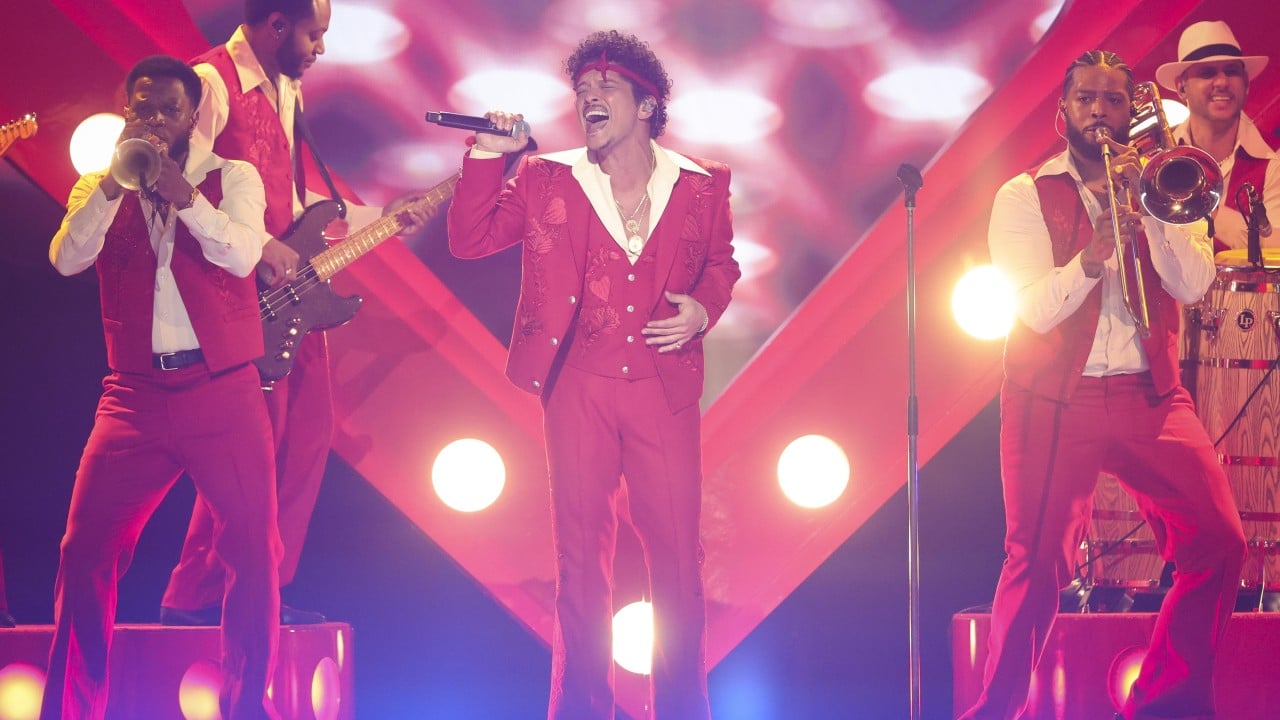
Everyone is losing their minds over Bruno Mars booking four consecutive nights in Hong Kong next May. The mainstream trades are popping champagne, treating a nearly ten-year absence like some triumphant homecoming, a triumphant validation of the Asian market’s enduring appetite for Western arena pop.
They are wrong.
Dead wrong.
I have spent the last fifteen years auditing tour economics and tracking promoter margins across the Asia-Pacific region, and I can tell you right now that a decade-long gap between major tour stops is not a sign of high-demand scarcity. It is a symptom of a broken booking ecosystem that treats massive international markets as an afterthought rather than a priority. When an artist of this magnitude abandons a territory for ten years, it does not mean the fans missed him so much they are willing to pay triple for tickets. It means the logistical friction, the currency volatility, and the outdated promoter models made the juice entirely not worth the squeeze until local authorities started waving massive municipal subsidies or guaranteed minimums to buy back their cultural relevance.
Let’s dismantle the lazy consensus.
The Scarcity Myth and the Ten-Year Gap
The standard narrative goes something like this: Bruno Mars is so globally massive that he can vanish from a major financial hub for a decade, return, and instantly command a four-night stadium or arena run. Fans scramble. Tickets vanish in seconds. Promoter wins, artist wins, city wins.
Imagine a scenario where a corporate retail brand shuts its flagship store in a top-five global metropolis for ten years, opens it up for four days, and calls it a brilliant expansion strategy. You would laugh them out of the boardroom.
In touring, a ten-year hiatus is a failure of long-term market cultivation. It happens when management treats a region purely as an opportunistic piggy bank rather than a foundational community. The real story here is not that Bruno Mars is finally coming back to Hong Kong. The real story is why it took until mid-2026 for the numbers to finally pencil out in a way that protected his US-dollar-denominated guarantee from inflationary and operational drainage.
When promoters rely on massive, multi-night blitzes after a decade of radio silence, they are engaging in a high-risk cash grab. They are squeezing an entire decade of pent-up demand into four nights, creating an artificial bottleneck that prices out the core demographic while catering entirely to corporate hospitality buyers and speculative ticket brokers.
The Economics of the Mega-Blitz
Let’s look at the math behind these four shows.
When you book four shows back-to-back in a single venue after a ten-year blackout, you assume the market has an infinite appetite for a static product. But a concert tour is not a passive luxury good; it is a live experience subject to extreme diminishing returns on secondary market velocity.
- Front-Loaded Demand: The first night absorbs the frantic, starved superfans. By night three and four, the promoter is often sweating on secondary market sell-through because the pool of casual buyers has already been exhausted by astronomical primary pricing.
- Operational Burnout: Crew logistics, freight costs, and local crew fatigue skyrocket when an arena run is crammed into a hyper-compressed window instead of being part of a fluid, multi-city regional sweep through Shenzhen, Guangzhou, Macau, and Taipei.
- The Subsidy Distortion: Major entertainment hubs in Asia are throwing unprecedented municipal incentives at Western acts to drive post-pandemic tourism recovery. When you peel back the layers of these stadium bookings, you often find government tourism boards underwriting the risk. That means taxpayers are subsidizing the ticket prices for corporate elites while local independent venues struggle to keep their lights on.
I have seen promoters blow millions on compressed regional runs because they confused a headline-grabbing sell-out with sustainable market health.
What the People Also Ask Trap Gets Wrong
If you search for ticket details on this Hong Kong residency, you run into the same predictable set of queries: How fast will tickets sell out? Why did he wait ten years? Where can I buy VIP packages?
These questions accept the premise that the current ticketing machine is functioning normally. It is not.
The premise that a ten-year wait builds "hype" is a public relations fiction designed to mask poor routing and lazy tour management. True market dominance looks like routine, predictable, two-year album cycles where an artist visits a region consistently, building deep logistical roots with local promoters, labor unions, and venue operators. A ten-year disappearance act means the routing was too hard, the promoter relationships broke down, or the artist’s camp simply demanded guarantees that no sane local promoter could underwrite without heavy government backing.
Stopping to ask why he is returning now requires looking at the broader collapse of mid-tier touring in Asia. International acts either play massive, heavily subsidized mega-stadium blitzes or they skip the continent entirely because shipping a full production across fragmented regulatory borders is a nightmare. There is no healthy middle anymore.
How to Fix the Broken Touring Model
If you are an independent promoter or a venue operator watching this circus unfold from the inside, stop trying to copy the mega-blitz strategy. It is destroying the local talent pipeline.
Here is what you actually do instead:
- Prioritize Frequency Over Scale: Build regional touring corridors that allow artists to hit secondary and tertiary markets every two to three years, keeping overhead low and ticket prices accessible.
- Reject Municipal Bailouts: If an arena run only works because a government board is covering the downside risk, the market does not actually want the product at that price point. Let the market breathe.
- Audit the Secondary Ecosystem: Designate non-transferable, dynamic face-value exchange systems that lock out the speculative brokers who feast on these ten-year scarcity gaps.
Bruno Mars will sell out his four nights in Hong Kong. The photos will look great on Instagram. The corporate sponsors will issue their self-congratulatory press releases.
Just don't mistake a high-priced reunion for a healthy music industry.