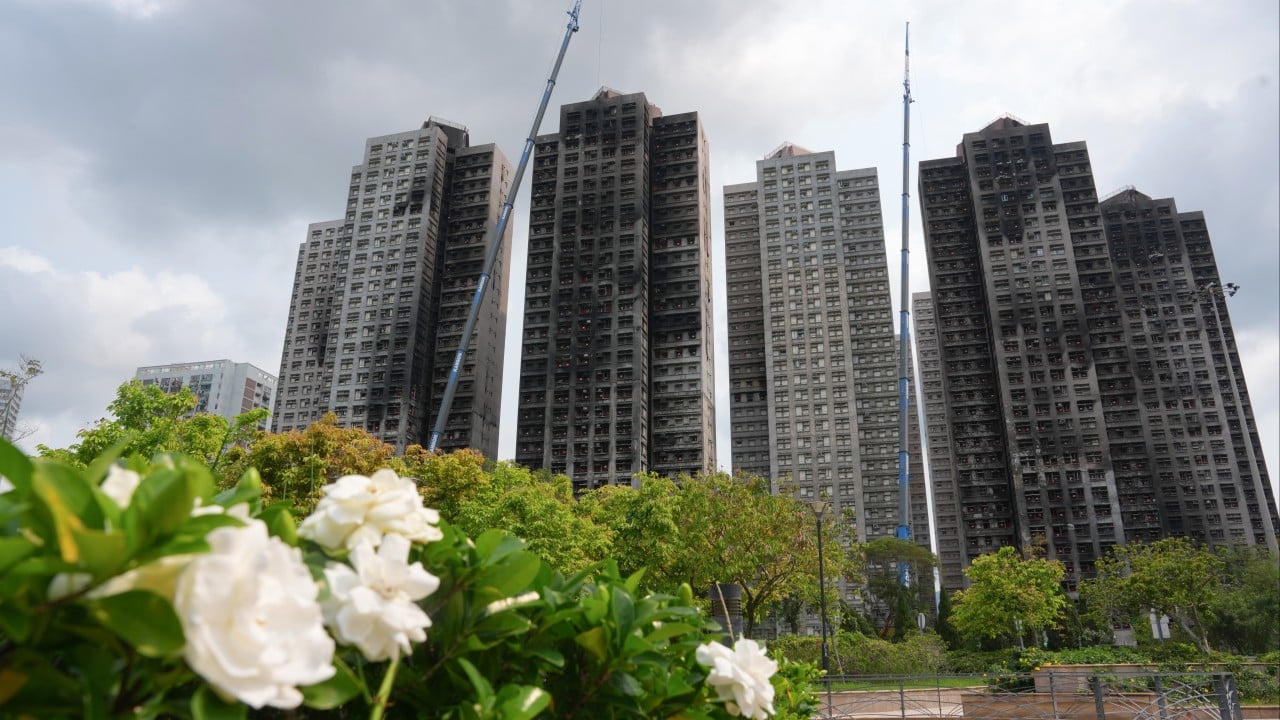
The tragic fire at Tai Po’s Wang Fuk Court didn't just happen because of a spark. It happened because of a system so rigged that residents couldn't even vote to save their own lives. We're now seeing the ugly truth in the ongoing public hearings: 168 people died in a building where the management committee election was allegedly a sham built on fake proxy votes and district-level manipulation.
If you think your estate's annual general meeting is just a boring formality, think again. In Tai Po, it was the difference between life and death.
How 570 Votes Appeared From Thin Air
The most damning evidence coming out of the independent committee hearings involves a massive discrepancy in how decisions were made at Wang Fuk Court. During the 2024 general meeting that approved the fatal renovation plan, the numbers didn't add up. Only about 200 residents showed up in person. Yet, when the final tally was announced, 570 votes had been cast.
Where did those extra 370 votes come from? Proxies.
In Hong Kong's building management culture, proxies are the ultimate weapon for bid-rigging syndicates. Residents testified that a local district councilor allegedly went door-to-door collecting proxy forms under the guise of "helping" elderly owners apply for government subsidies. Instead of getting financial aid, those residents unknowingly handed over their voting rights to a committee that would eventually hire contractors using flammable styrofoam instead of fire-resistant aluminum.
The Rubber Stamp Supervisor
It gets worse. The hearing revealed that the person supposed to oversee this massive HK$150 million renovation project was essentially a ghost. Ng, an engineer receiving HK$15,000 a month to supervise the works, admitted he never actually set foot on the site for active inspections.
WhatsApp records showed an intermediary telling him to "just sign documents" and even asking him to backdate his signatures. He was overseeing 56 projects simultaneously while holding a full-time job elsewhere. It’s a classic "rubber stamp" scenario that allowed contractors to:
- Drain fire water tanks and leave them empty for months.
- Turn off the main power switches for fire alarms and pumps.
- Substitute safe building materials for cheap, flammable alternatives.
Why the Authorities Ignored the Smoke
Residents weren't silent. They saw the red flags. They filed complaints with the Buildings Department, the Home Affairs Department, and the Urban Renewal Authority. The response? A classic bureaucratic runaround. Each department claimed the issue fell "outside their jurisdiction."
This "bureaucratic maze" effectively protected the bid-rigging syndicates. While the government departments were busy pointing fingers at each other, the contractors were busy disabling the very systems meant to keep people safe. By the time the fire broke out on November 26, the fire hydrants were dry and the alarms were silent.
The Real Cost of a Rigged Election
We often talk about corruption as a financial crime—money being siphoned off into the pockets of "consultants" and "contractors." But Wang Fuk Court proves that corruption has a body count. When an election is rigged via proxy votes, the management committee stops representing the owners and starts representing the syndicate.
The result is a "road to death" paved with:
- Systemic Collusion: Companies bidding against each other were found to be secretly connected, a common tactic to inflate prices and control outcomes.
- False Safety: Contractors applied for 16 consecutive extensions to keep fire systems offline, and the Housing Bureau’s Independent Checking Unit approved them without a single on-site visit.
- Triad Involvement: Evidence submitted by the police suggests that many of these renovation "consultants" have deep links to organized crime.
Protecting Your Own Building
If you live in a high-rise in Hong Kong, the Wang Fuk Court tragedy is a wake-up call. You can't trust that the system is working for you. Here’s what you need to do immediately:
- Never hand over a blank proxy form. If a district councilor or "helpful" neighbor asks for your signature to help with subsidies, read the fine print. You're likely giving away your vote on multi-million dollar contracts.
- Demand to see the Fire Service Installations (FSI) certificate. If your building is undergoing renovation, the management office must prove that the fire systems remain operational. "Maintenance" isn't a valid excuse to leave tanks empty for six months.
- Check the "Greenery" or "Renovation" tenders. If your estate's consultant is quoting a fee that seems way too low (sometimes near zero), they’re making their money elsewhere—likely through kickbacks from the contractor they "recommend."
The Tai Po fire wasn't an accident. It was the inevitable conclusion of a rigged election and a management system that prioritized "rubber stamp" signatures over human lives. Don't let your building be next.


