Brent crude oil just ripped through the $125 mark. If you're looking for a single reason, look at the Strait of Hormuz. Tension between the West and Iran isn't new, but the current escalation feels different to traders on the floor. It's no longer just "noise." The market is pricing in a genuine supply shock that could dwarf anything we've seen in the last decade.
When the price of Brent crude oil surges past $125 a barrel, it isn't just a number on a screen. It's a tax on every person who drives a car or buys groceries. This specific spike is driven by the very real possibility that Iran might follow through on threats to choke off one of the world's most vital maritime arteries.
Why $125 Oil is the New Danger Zone
The global economy doesn't handle triple-digit oil prices well. Historically, when Brent stays above $100 for an extended period, demand begins to crater. But at $125, we're entering territory where central banks lose control. They can't fight energy-driven inflation by just hiking interest rates.
Energy analysts at Goldman Sachs and Morgan Stanley have been warning about "inventory thinness" for months. Global stockpiles are low. There's no cushion. If even 2% of global supply disappears tomorrow, $125 will look cheap. We’re talking about a scenario where $150 or even $200 becomes the baseline.
The math is simple and brutal. About 20% of the world’s liquid petroleum passes through the Strait of Hormuz. That’s roughly 20 million barrels every single day. Iran knows this is their ultimate trump card. If a kinetic war breaks out, or if the West tightens sanctions to a breaking point, that gate shuts.
The Iran Escalation and the Strait of Hormuz
You’ve probably heard the term "geopolitical risk premium." Right now, that premium is roughly $20 to $25 per barrel. Without the Iran threat, Brent would likely be sitting comfortably in the double digits.
Iran's military capability to disrupt shipping is sophisticated. They don't need a massive navy. They have swarming fast boats, advanced sea mines, and shore-based anti-ship missiles. Insurance companies are already reacting. Maritime insurance premiums for tankers in the Persian Gulf have skyrocketed in the last 48 hours. Some ship owners are refusing to pick up cargo in the region altogether. This "silent" blockade happens long before any missiles actually fly.
The U.S. Fifth Fleet, based in Bahrain, is the primary counterweight. But even a successful military escort mission can't prevent a price spike. The mere sight of destroyers flanking tankers sends a signal of high-level instability. Markets hate uncertainty. They hate fire even more.
What Happens if the Strait Actually Closes
Let's get real about the numbers. If the Strait of Hormuz is blocked, there is no immediate workaround. Some pipelines cross Saudi Arabia and the UAE to bypass the chokepoint, but their capacity is limited. They can maybe handle 6 or 7 million barrels a day. That leaves over 12 million barrels stranded.
- Saudi Arabia loses its primary export route.
- Iraq sees its economy effectively paused.
- Kuwait and Qatar are cut off from the sea.
China is the biggest loser here. They rely heavily on Middle Eastern crude. If they can't get their oil, they'll outbid everyone else for Atlantic Basin barrels, which pushes Brent even higher for European and American consumers.
Beyond the War Drums
Iran isn't the only ghost in the machine. While the headlines focus on the Middle East, the underlying market structure is incredibly fragile.
OPEC+ has been disciplined. Maybe too disciplined. They've kept millions of barrels off the market to support prices, but they don't have the spare capacity they claim to have. If Saudi Arabia says they can produce 12 million barrels a day, many veteran oil watchers think that’s a stretch. The "spare capacity" safety net is looking more like a spiderweb.
Then there's the investment gap. For years, big oil companies diverted cash to ESG goals or stock buybacks instead of drilling new wells. You can't flip a switch and get more oil. It takes years of CAPEX. We’re currently paying the price for the underinvestment that happened between 2015 and 2022.
The Reality for the Average Consumer
When Brent hits $125, the "cracks" start to show at the gas station within days. In the U.S., the rule of thumb is that every $10 increase in the price of a barrel of oil adds about 25 cents to the price of a gallon of gas. If oil stays at this level, $5.00 or $6.00 per gallon becomes the national average, not just a California anomaly.
But it’s worse than that. Diesel is what moves the world. Trucks, trains, and ships run on diesel. When diesel prices spike, the cost of transporting a head of lettuce or a flat-screen TV goes up. This is "embedded inflation." You can stop buying a new car, but you can’t stop eating.
Small businesses get crushed first. A local delivery company with ten vans suddenly sees its monthly fuel bill double. They either pass that cost to you or they go out of business. It’s a vicious cycle that almost always ends in a recession.
Why a Diplomatic Fix is Unlikely
The hope was that a new nuclear deal or a "grand bargain" would bring Iranian oil back to the market legally. That hope is dying. The political climate in both Washington and Tehran has hardened.
Sanctions have forced Iran to sell "ghost" oil to China at a discount. They've learned to live under pressure. This makes them less likely to back down in a maritime standoff. They feel they have less to lose than a global economy that is addicted to cheap energy.
Also, don't ignore the Russia factor. A distracted West and high oil prices serve Moscow’s interests perfectly. Any chaos in the Middle East takes the spotlight off Eastern Europe and keeps the Kremlin’s coffers full. It's a messy, interconnected web where no one wants to be the first to blink.
Navigating the Volatility
If you're an investor or just someone worried about their bank account, you need a plan. Sitting and waiting for "normal" prices is a losing strategy.
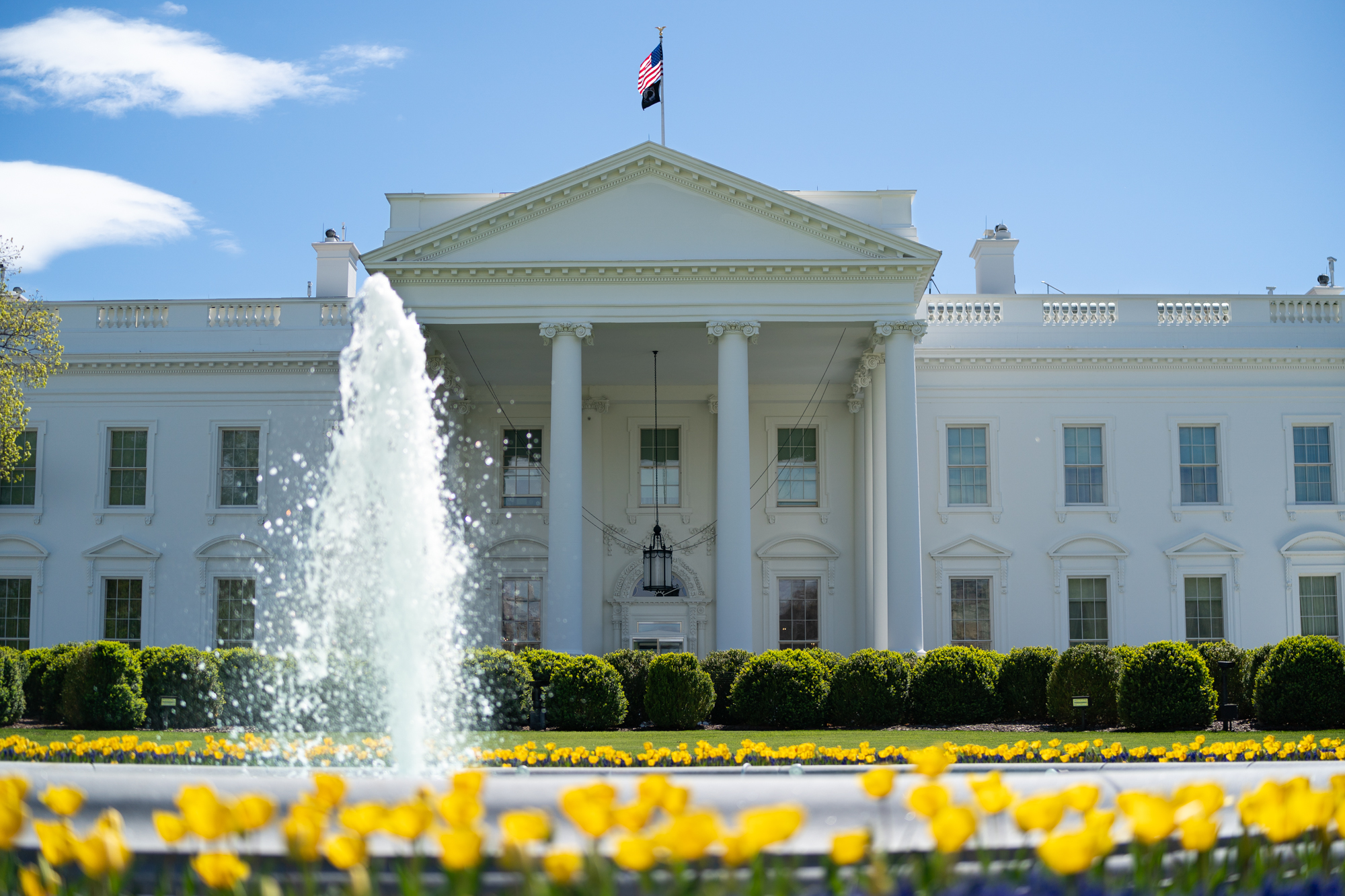
First, look at energy equities. Companies with high cash flows and low debt often thrive when oil is high, even if the broader market is tanking. They become the only "safe" place to park money. Second, keep an eye on the U.S. Strategic Petroleum Reserve (SPR). The U.S. has used a lot of its reserves already. The ability of the White House to dampen prices by releasing more oil is lower than it was two years ago.
Lastly, watch the tankers. Websites like MarineTraffic or companies like Kpler track where the oil is actually moving. If you see a cluster of ships waiting outside the Persian Gulf, that’s your sign that the situation is deteriorating.
Oil at $125 isn't just a headline. It's a warning shot. The era of cheap, reliable energy is under siege by geography and old-school geopolitical rivalry. Prepare your budget for sustained high costs. The "Iran war" worries aren't going away by next week. They’re just getting started.
Move your cash into liquid assets or energy-hedged positions. Check your fuel consumption and look for ways to cut back now. Don't wait for $150 to start taking this seriously.