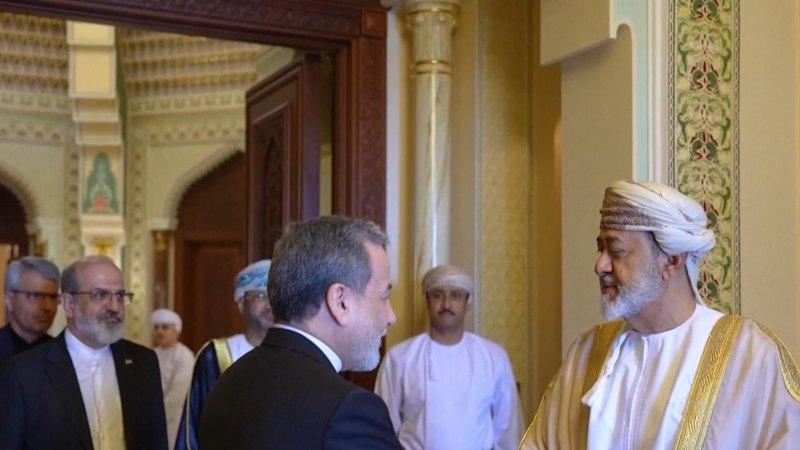
Rain does not care for the jagged lines drawn on a map. When it falls over the Baluchistan plateau, the water flows where the gravity of the earth dictates, ignoring the checkpoints, the barbed wire, and the stern men in fatigues who guard the divide between Iran and Pakistan. On a Tuesday in Islamabad, the air felt thick with that same heavy, inevitable pressure. This was not merely a meeting of bureaucrats in stiff suits. It was a moment of survival.
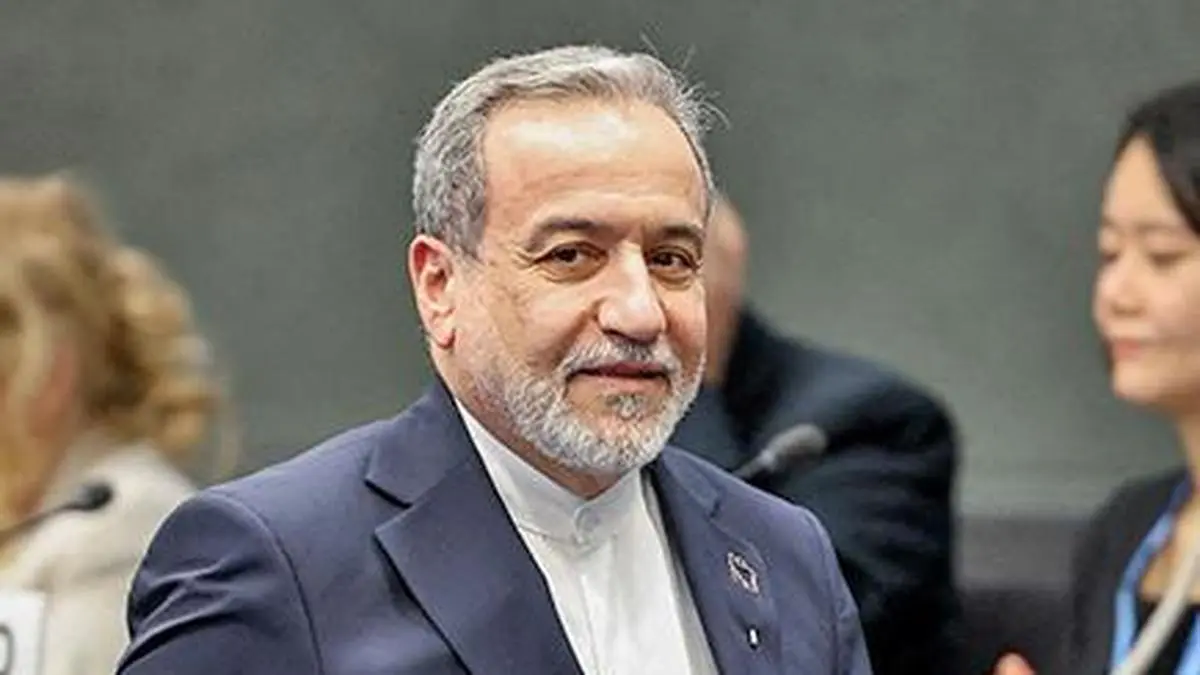
Abbas Araghchi sat across from his Pakistani counterparts, carrying the weight of a nation that has mastered the art of standing tall while the ground shifts beneath its feet. To the outside observer, the headlines read like a ledger: "successful visit," "bilateral cooperation," "security concerns." But these words are empty shells. They fail to capture the smell of the tea in the room or the way a diplomat’s eyes flicker when the conversation turns to the shared, porous border that haunts both nations.
Consider the shepherd.
He is a hypothetical figure, perhaps, but his reality is repeated ten thousand times along the nine-hundred-kilometer frontier. Let’s call him Rahim. Rahim does not view the world through the lens of geopolitics. To him, the border is a nuisance that separates his grazing land from his brother’s well. When a militant group crosses that line to cause chaos, Rahim is the one who hears the gunfire. When the trade gates close because of a diplomatic spat, Rahim is the one who cannot buy flour. Araghchi’s visit to Islamabad was, at its heart, about whether Rahim gets to live in peace or caught in a crossfire.
The tension of the last year had been a frayed nerve. There were strikes and counter-strikes, a brief, terrifying moment where two neighbors who usually speak in the soft tones of Persian poetry began to speak in the language of missiles. It was a rupture that neither could afford. Pakistan is grappling with an economy that feels like a house of cards in a high wind; Iran is navigating a regional storm that threatens to pull the entire Middle East into the deep.
They needed this win.
Araghchi didn’t just bring talking points; he brought a mirror. He showed Pakistan a reflection of their mutual destiny. If the flames of instability in Afghanistan or the shadows of separatist movements are allowed to grow, both houses burn. This is the "successful" outcome the Foreign Minister spoke of. It wasn't about signing a specific piece of paper that will sit in a dusty archive. It was about the quiet, behind-closed-doors agreement to stop the bleeding.
They talked about the economy, but not in the way a banker does. They talked about it as a lifeline. For years, the Iran-Pakistan gas pipeline has been a ghost project—a skeletal structure of promises and missed deadlines, haunted by the specter of international sanctions. To the elite in Tehran and Islamabad, it’s a strategic asset. To the factory worker in Lahore who loses power for six hours a day, it’s the difference between a paycheck and a closed door. Araghchi's "success" here is measured in the renewed commitment to find a way around the obstacles that have kept the lights off.
The complexity is staggering. You have to balance the demands of the street with the demands of the global powers. Pakistan walks a tightrope, trying to maintain its vital relationship with the West while not alienating the neighbor it shares a fence with. Iran, meanwhile, seeks a "ring of fire" protection—a series of stable, friendly borders that allow it to focus on its larger existential struggles.
Trust is a fragile thing. It is not built in a day, and it certainly isn't restored by a single press conference. It is built in the small things: the sharing of intelligence on a militant cell, the easing of a trade restriction, the decision not to move heavy artillery to the front line when a misunderstanding occurs.
When Araghchi described the visit as successful, he was signaling a return to the status quo of "manageable tension." In the world of high-stakes diplomacy, that is a victory. It means the phones will be picked up the next time a shadow moves across the border. It means the rhetoric will be dialed down. It means that, for now, the shepherd can lead his flock without looking over his shoulder for a drone.
The invisible stakes are the lives of the millions who live in the borderlands. These are people who speak a mix of Balochi, Persian, and Urdu, people whose families are split by a line they didn't ask for. For them, the high-level talks in Islamabad are not "news"—they are the weather. If the sun is out, they work. If the storm comes, they hide. Araghchi’s visit was an attempt to clear the clouds.
He left Islamabad with the optics of a statesman, but the real work remains in the dirt and the dust of the frontier. The success of a diplomatic mission isn't found in the handshake; it’s found in the silence that follows—a silence not of hostility, but of a hard-won, exhausted peace.
The map remains. The rain will still fall. But for a brief window, the two men guarding the gate have agreed to look each other in the eye and recognize a brother instead of a ghost.