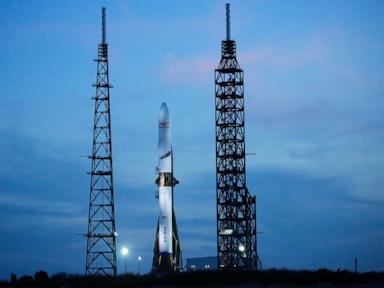
When a massive rocket blows up on the launch pad, it looks like a total catastrophe. The ground shakes, homes miles away rattle, and the night sky turns a brilliant, terrifying orange. That is exactly what happened at Cape Canaveral Space Force Station when Jeff Bezos' Blue Origin New Glenn rocket suffered a major failure during an engine-firing test.
The public reaction was immediate. Space watchers feared the worst. It seemed like a devastating blow to the company and a nightmare scenario for NASA's lunar ambitions.
But things are not quite as bad as they seem.
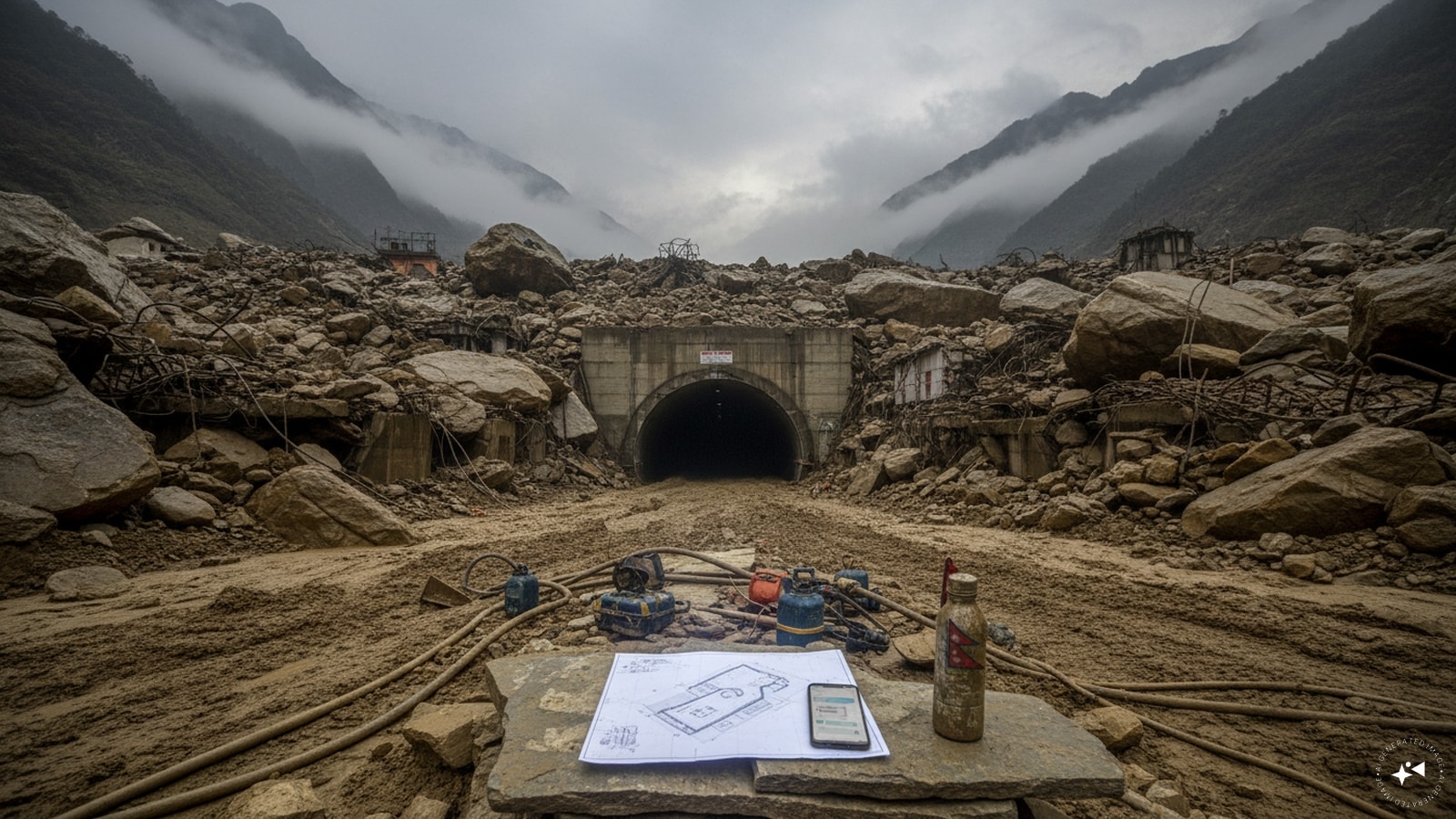
Blue Origin leadership recently came forward with an assessment of the damage at Launch Complex 36. It turns out the infrastructure took the hit surprisingly well. While the blast was powerful enough to smash a lightning tower and ruin the transporter-erector used to lift the rocket, the most critical, expensive, and time-consuming pieces of hardware survived.
What Survived the Blast at Launch Complex 36
Rocket fuel infrastructure is incredibly complex. Rebuilding high-pressure storage systems from scratch can take many months, if not years. Fortunately for Blue Origin, CEO Dave Limp confirmed that the storage infrastructure walked away largely intact.
- Commodity Storage Tanks: The heavy-duty tanks holding methane, liquid hydrogen, and liquid oxygen are in good shape.
- Water Systems: The critical water tank used for sound suppression and cooling survived without major issues.
- The Support Tower: While damaged, the main support tower remains standing and can be repaired right there on the pad.
- Nearby Flight Hardware: A separate booster and various rocket components stored close to the pad escaped without any damage.
This is a massive win for the recovery timeline. Limp called the assessment a bit of good news and boldly stated that the company will fly again before the end of this year. Finding out the fuel infrastructure survived means the company dodged a multi-year rebuilding phase.
The High Stakes for NASA and the Artemis Program
The timing of this explosion could not have been wilder. Just two days before the New Glenn rocket blew up, NASA awarded Blue Origin a contract worth hundreds of millions of dollars. The space agency chose New Glenn to launch two lunar rovers that will serve future astronauts.
NASA needs this rocket to work.
New Glenn is not just a commercial satellite launcher. It is a backbone component of the broader Artemis program. Blue Origin is building the Blue Moon lander, which astronauts will use to touch down on the lunar surface later this decade. NASA is aiming for a crewed moon landing as early as 2028. Every delay cascades down the timeline.
NASA Administrator Jared Isaacman expressed a commitment to helping Blue Origin recover. He noted that the agency will do everything possible to help get Launch Complex 36 functional again. At the same time, the agency remains hyper-focused on keeping the development of the lunar lander moving forward.
Rebuilding After a Brutal Run of Luck
The space industry is brutal. Developing a heavy-lift rocket means dealing with setbacks. SpaceX went through a long string of explosive test flights in Texas before getting Starship to work. Elon Musk even reached out on social media to offer condolences and wish Blue Origin a quick recovery.
But Blue Origin has a tight window to get its act together. New Glenn has only flown three times. Its track record is already bumpy. In April, the rocket suffered an engine failure that left its satellite payload in the wrong orbit, which led to a temporary grounding.
This latest explosion happened right before a planned mission to launch internet satellites for the Amazon Leo constellation. Now, that mission is on ice while investigators figure out the root cause of the engine test failure.
To keep pace, the team must execute two parallel tracks immediately. First, engineers have to isolate the exact mechanical or software failure that triggered the explosion. Second, pad crews must clear the mangled steel of the destroyed lightning tower and transporter-erector. They need to rebuild those structures while starting repairs on the standing support tower.
If you are tracking the future of commercial spaceflight, watch the reconstruction speed at Cape Canaveral over the next few months. That will tell you if a launch before 2027 is a realistic goal or just corporate optimism.