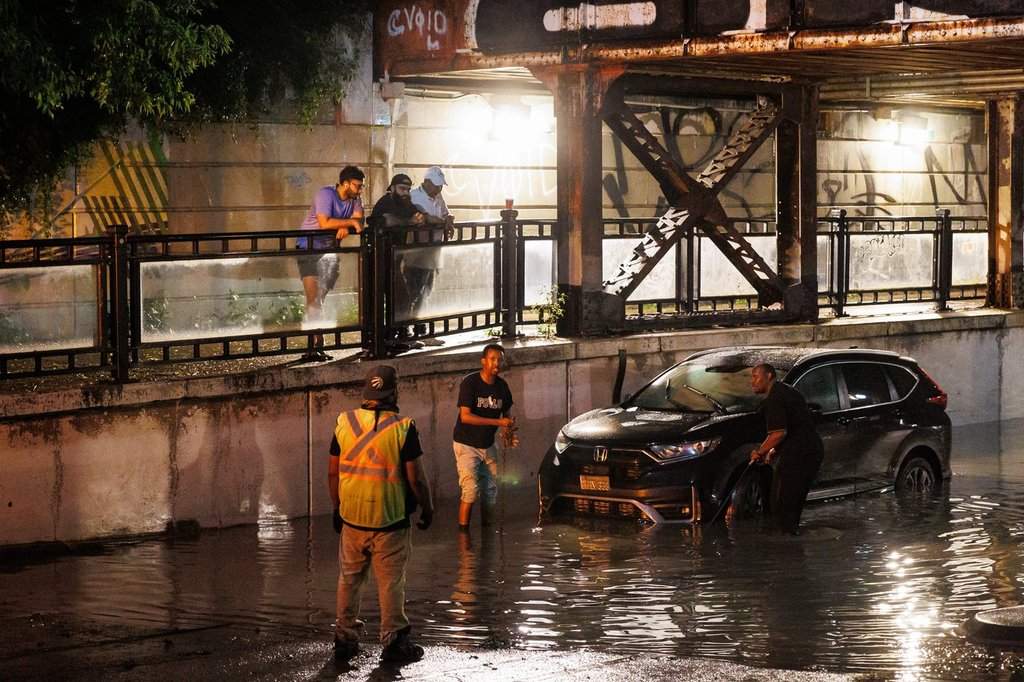
Every time a multi-level structure pancakes into a muddy street during a monsoon, the media dusts off the same tired script. We hear about unprecedented rainfall. We hear about century-old storms. We nod along with reports blaming the sheer fury of rising floodwaters. It is clean. It is comforting. It lets municipal planners and real-estate developers off the hook entirely.
Water does not cause structural collapse. Poor engineering, compromised foundations, and administrative corruption do.
When a three-storey building folds like a cheap accordion under the pressure of a foot of standing water, gravity simply finished a job that concrete contractors and municipal inspectors started years prior. The lazy consensus points a finger at the sky, but the real culprits sit in air-conditioned municipal offices approving substandard zoning variances.
The Physics of the Pancake
Let us look at the structural reality. A properly engineered reinforced concrete structure does not simply dissolve because its lower floor gets wet. Water is heavy, yes, but unless you are dealing with a catastrophic flash torrent carrying boulders and debris at highway speeds, a standing flood acts primarily as a buoyant force and a hydrostatic pressure load.
When a building fails from base-level saturation, it exposes one fatal flaw: scour and liquefaction.
I have spent two decades walking through disaster zones after the cameras leave. You scrape away the silt and find footers poured two inches deep instead of four feet. You find unreinforced brick masonry masquerading as load-bearing walls. You find steel rebar so thin it looks like coat hangers, substituted to pocket the margin on material costs.
When the ground saturates, the soil loses its bearing capacity. If your foundation is an afterthought, the building tilts, shears, and drops. Water merely exposes the fraud.
Follow the Money Downstream
Urban flooding in rapidly developing economic zones is not an act of God. It is a design choice.
Look at how modern cities expand. Planners pave over natural drainage basins, channelize rivers into concrete chutes, and build high-density commercial and residential blocks in natural floodplains. When concrete covers every square inch of earth, rainfall has nowhere to go. It sheet-flows directly into the streets, turning urban thoroughfares into raging canals.
Then we act surprised when the water stacks up against ground-floor walls three feet deep.
Developers maximize square footage by eliminating setback requirements and subterranean drainage channels. They build fast and cheap. The municipal authorities sign off on inspections because economic growth metrics look better when construction permits clear in days instead of months. When the inevitable deluge arrives, the catastrophe is categorized as a natural disaster. It is not. It is an actuarial failure disguised as meteorology.
Why the Climate Narrative Misses the Mark
Mentioning climate change has become a universal get-out-of-jail-free card for incompetent civil engineering. Yes, weather patterns are intensifying. Yes, storm cells drop higher volumes of water in shorter windows than they did fifty years ago.
However, blaming climate change for a building collapse is like blaming Henry Ford because a drunk driver wrapped a car around a telephone pole. The environment is the variable; the structure is the constant. If your building cannot survive a predictable environmental stress test, your engineering failed, not the atmosphere.
Civil engineering standards were historically designed with safety factors built specifically to account for statistical anomalies. A bridge or a building is rarely engineered to its exact maximum load limit; standard practice demands margins of safety multiplied by two, three, or four. When a structure fails under modern weather events, it means those safety margins were quietly value-engineered out of the budget to maximize profit margins.
The Inspection Theater
We need to talk about the global epidemic of inspection theater. In many booming metropolitan sectors across the developing and developed world alike, building inspections are rubber-stamp exercises.
Imagine a scenario where a local inspector is responsible for clearing fifty newly erected structures a week. They drive by in a scooter, collect an envelope or a signature, and check the box. They are not performing core drills on cured concrete. They are not testing the compressive strength of masonry blocks. They are certainly not verifying soil compaction beneath the slab.
When the floodwaters recede and the rubble is cleared, nobody investigates the inspector. The developer issues a solemn statement expressing condolences to the families, promises to build back better, and quietly sets up a new shell company to bid on the next block.
What Real Resilience Looks Like
If we want to stop writing the same obituary for urban architecture every rainy season, we have to stop accepting weather as the root cause.
True structural resilience requires three non-negotiable shifts in how we build and govern:
- Zero Tolerance for Foundation Shortcuts: Municipalities must mandate independent, third-party geotechnical testing for every multi-story structure, with criminal liability for structural engineers who sign off on sub-grade soil compaction.
- Hydrostatic Venting Mandates: Ground floors in flood-prone zones need engineered flood vents that allow water to flow through the structure rather than building up massive lateral pressure walls that push buildings off their footings.
- Public Registry of Contractors: Make structural failure a career-ending offense. If a developer's building collapses due to water intrusion rather than direct structural impact from a landslide, ban every principal involved from the industry permanently.
Stop blaming the clouds for poor concrete. The storm only tells us who skimped on the steel.