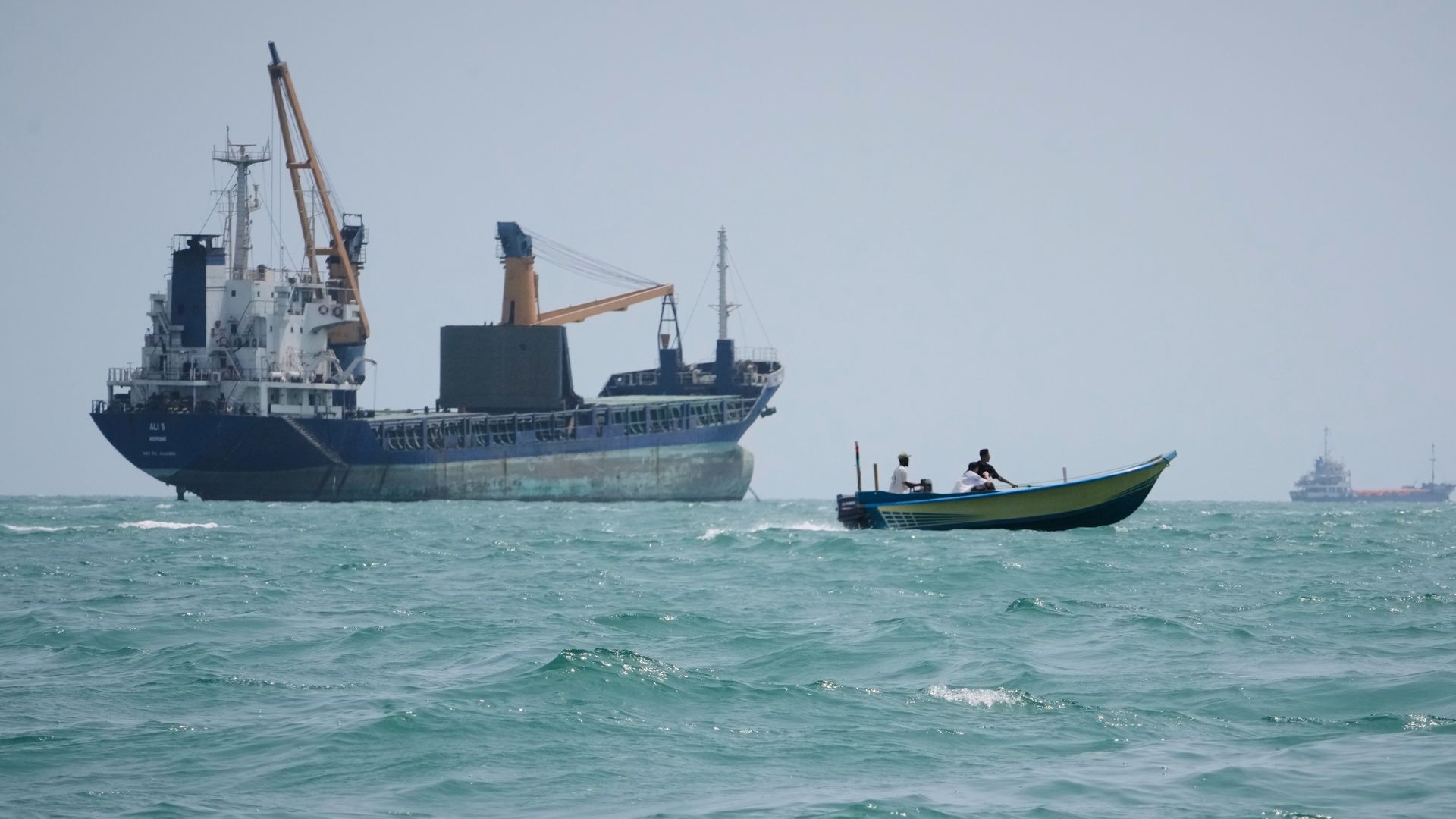
Every time a missile flies over the Strait of Hormuz, headlines write themselves. Petrol prices tick up by five pence, drivers groan, and pundits dust off their favorite ghost story: the Middle East supply shock. It is the laziest narrative in modern economics. It gives oil executives a convenient shield, politicians a ready-made scapegoat, and the media a flashy war trailer to boost clicks.
Stop buying it.
I have spent two decades watching commodity desks panic over headlines while ignoring the actual plumbing of global energy markets. The five-pence spike at the pump has almost nothing to do with Iran, and everything to do with domestic tax structures, currency devaluation, and refinery margin manipulation. When you blame geopolitical conflict for what is essentially structural domestic failure, you let the real culprits off the hook.
The Geography of a Phony Crisis
Let us look at the mechanics. The standard narrative claims that a Middle East flashpoint chokes off crude supply, driving up the global price of Brent crude, which instantly forces local garages to hike prices at the pump.
It sounds logical if you understand economics via a middle school textbook. In reality, it falls apart under basic scrutiny.
Crude oil does not go straight from a well in the Persian Gulf into the tank of your hatchback. There is a massive time lag—often measured in weeks or months—between a barrel of oil leaving a tanker and refined petrol sitting in a forecourt storage tank. If prices spike by five pence three days after a skirmish in Iran, that fuel was bought, shipped, and refined months prior. The crude sitting in those tanks was priced under entirely different market conditions.
What you are seeing at the pump isn't a supply crunch. It is preemptive margin gouging. Retailers and refiners use geopolitical anxiety as psychological cover to expand their crack spreads—the profit margin between crude oil and petroleum products. They know consumers are primed to accept high prices whenever they hear the word "war."
Follow the Tax Man, Not the Tanker
If you want to know why your fuel bill stings, stop looking at Tehran and start looking at your finance ministry.
In many Western nations, tax accounts for more than half of every single liter sold. When oil prices fluctuate by a few dollars a barrel, the actual impact on the raw commodity cost of a liter of petrol is fractions of a penny. Yet, the price at the pump jumps by whole pence. Why? Because taxes are applied as flat rates plus value-added percentages that compound the retail price inflation.
When a crisis hits, governments collect a windfall in fuel duties and sales taxes, while publicly expressing deep sympathy for motorists caught in the middle of global instability. It is a brilliant fiscal magic trick. They get richer off the inflated price while pointing a finger at a foreign adversary.
Imagine a scenario where governments temporarily stripped the percentage-based taxes off fuel during a geopolitical scare. Prices would drop overnight by more than any Middle Eastern diplomatic breakthrough could ever achieve. But nobody in power wants that solution because fuel taxes are the financial glue holding together strained public budgets.
Refining Bottlenecks Beat Crude Panics
The dirty secret of the oil industry is that crude supply is rarely the actual bottleneck. Refineries are.
Over the past decade, global refining capacity has tightened. Environmental regulations, capital starvation in traditional fossil fuels, and corporate decisions to prioritize short-term cash returns over long-term infrastructure investment mean the world has a severe deficit of effective cracking capacity.
When crude prices fluctuate, the real price action happens at the refinery gate. If regional refining capacity dips due to routine maintenance, regulatory crackdowns, or localized power issues, refined product prices decouple entirely from crude prices. You can have an absolute glut of crude oil sitting in tankers globally, but if local refineries cannot process it fastively or affordably, retail petrol prices will skyrocket.
Blaming Iran is a brilliant public relations strategy because it masks years of underinvestment in heavy industrial infrastructure. It is much easier to blame a bogeyman three thousand miles away than to admit that local energy policies have starved the refining sector of the capital it needs to keep supply elastic.
The Currency Trap
There is another variable that mainstream financial reporting routinely ignores: currency strength.
Oil is traded globally in US dollars. If your local currency slips against the dollar—whether due to domestic inflation, central bank rate cuts, or economic stagnation—your purchasing power drops. Even if Brent crude stays completely flat on international markets, a weaker local currency means you are paying more for the exact same barrel of oil.
When regional conflicts flare up, global investors flee to the safety of the US dollar, strengthening it against almost every other currency. This triggers an immediate, automatic rise in local energy import costs.
The five-pence rise at your local station has as much to do with central bank monetary policy and foreign exchange volatility as it does with any drone strike or naval blockade. Yet, central bankers love the Iran narrative because it deflects blame away from currency debasement and onto a foreign power they cannot control.
What You Should Do Instead of Complaining
Complaining about oil cartels and Middle Eastern conflicts on social media does nothing to lower your monthly expenses. It just feeds an algorithm designed to keep you angry and distracted.
If you want to beat the pump, stop playing their game.
- Auditing Your Commute: The most effective hedge against fuel price volatility is demand destruction at the individual level. If your vehicle gets twenty miles to the gallon, you are voluntarily taxing yourself every time fuel margins expand.
- Time Your Purchases: Retailers follow predictable pricing cycles, often raising prices ahead of weekends and holidays. Buy mid-week when volume is low and stations are forced to compete for dwindling daily traffic.
- Track Regional Cracks: Stop watching headline news about geopolitical threats. Instead, monitor wholesale product spot prices. If wholesale prices are flat while retail prices jump, you know a local cartel is price-gouging, and you can take your business down the road to a cheaper competitor.
The next time a major news network tries to convince you that a regional skirmish halfway across the world is the direct cause of your painful weekly fill-up, remember who benefits from that narrative. It isn't the driver. It's everyone collecting a cut of the inflated ticket price.
Stop falling for the geopolitical ghost story. Demand better data, question the tax burden, and stop letting lazy journalism write your economic reality.