Every time an aviation incident makes global headlines, the knee-jerk media machinery grinds into motion with a predictable script. Analysts rush onto television sets to demand more surveillance, tighter psychological screenings, and reinforced steel doors. They treat human behavior as a hardware problem that can be patched with an updated protocol.
It is a comforting
Stop Blaming The Pilot When The Real System Failure Is Aviation Security Theater For a more detailed analysis into this area, we suggest: this related article.
news, travel
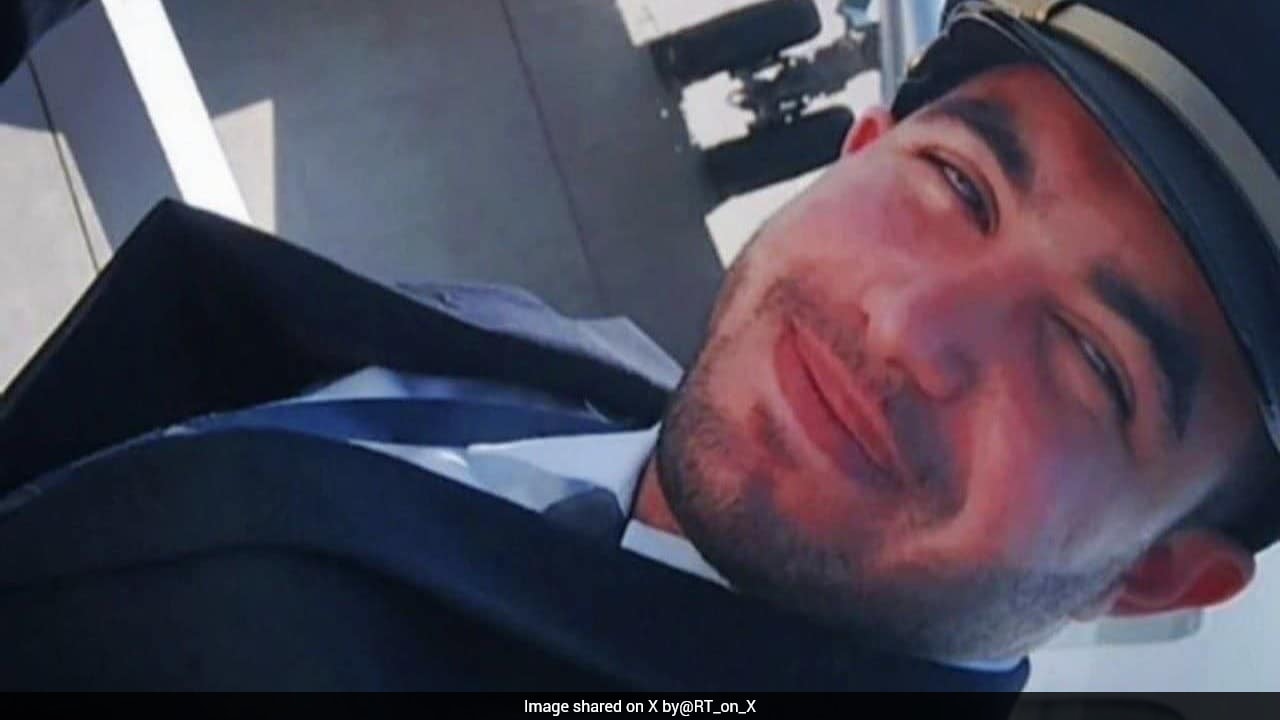
Every time an isolated incident hits the flight deck, the media circus follows a predictable script. We get endless panels dissecting the mental health records, the background checks, and the psychological screening of the individual behind the controls. Headlines scream about probes into co-pilots and security loopholes. It makes for compelling theater. It also completely misses the point. For additional background on the matter, in-depth coverage is available on Reuters.
Focusing entirely on individual screening assumes that humans are predictable machines who can be filtered for absolute perfection if we just design a stricter questionnaire. That premise is fundamentally broken.
Let's look at how modern aviation safety actually functions. We have built an extraordinarily complex web of redundancies precisely because human beings are fallible. A single pilot, no matter their state of mind or background, should never constitute a single point of failure in a commercial airliner. When an incident occurs, the knee-jerk reaction from regulators and pundits is always to tighten the net on background checks. More paperwork. More invasive profiling. More psychological hoops to jump through.
This approach relies on a comforting illusion. It tells the public that safety can be manufactured by finding the right humans and keeping the wrong ones out. But true resilience does not come from trying to sanitize human unpredictability. It comes from engineering systems that survive human failure entirely.
I have spent years looking at high-stakes operational risk across logistics and transport sectors. The dirty secret nobody wants to admit is that predictive behavioral screening has a ceiling, and we hit it decades ago. You cannot screen out every unpredictable variable in a population of hundreds of thousands of active professionals without grinding the industry to a halt. Every added layer of psychological bureaucracy creates a chilling effect where individuals hide legitimate stressors out of fear of losing their livelihoods, which paradoxically increases safety risks rather than mitigating them.
When we focus the entire debate on the background of a single co-pilot, we let the structural designers off the hook. We stop asking why cockpit access controls, dual-authorization protocols, or remote override safeguards weren't tighter. We accept a architecture that relies too heavily on unmonitored human isolation at thirty thousand feet.
The lazy consensus is that better screening will prevent the next tragedy. The uncomfortable truth is that we need to stop treating the flight deck as a black box of autonomous control and start treating system architecture as the primary defense.
If your safety model depends on every individual operating at peak psychological stability one hundred percent of the time, you do not have a safety system. You have a prayer.
Stop looking for red flags in background files and start building systems that make individual failure irrelevant.