The Hong Kong Coffee Festival was marketed as a premier celebration of the city's caffeine culture, but it ended in a logistical and public relations disaster that has left organizers scrambling to justify their existence. When unpredictable weather hit the outdoor venue, the event's infrastructure crumbled—not just physically, but operationally. Attendees who paid premium prices for tickets were met with shuttered stalls and a confusing, rigid refund policy that prioritized corporate bottom lines over consumer trust. This was not a failure caused by rain; it was a failure of contingency planning and crisis management in one of the most volatile event climates in Asia.
The Illusion of Preparedness
High-end lifestyle events in Hong Kong operate on thin margins and high expectations. When an organizer charges hundreds of dollars for entry, they aren't just selling access to coffee; they are selling a managed experience. The backlash began the moment the first clouds gathered. While tropical depressions and sudden downpours are a statistical certainty in the region, the festival’s response suggested they were caught completely off guard. Also making waves in this space: Sugar Is Crushing Equities and Why the Commodity Rally Has Legs.
The fundamental breakdown occurred in the force majeure execution. Most event contracts include clauses for "Acts of God," but modern consumer law and social media dynamics have shifted the burden of proof. It is no longer enough to point at the sky and shrug. Organizers are expected to have "Plan B" venues or at least a tiered ticketing system that accounts for weather risks. By failing to provide a clear, immediate path to restitution, the festival didn't just lose a day of sales; they incinerated their brand equity.
A Masterclass in Poor Communication
In the heat of a crisis, silence is a choice. The festival’s social media channels, previously buzzing with high-saturation photos of latte art, went cold when the weather turned. When they finally spoke, the tone was defensive. They relied on legalese to explain why refunds would be difficult, ignoring the emotional reality of thousands of disappointed fans. Further insights regarding the matter are detailed by CNBC.
This is a classic trap in the event management industry. Brands often focus so heavily on the "vibe" that they neglect the plumbing of their operations.
- Delayed Announcements: Waiting until the morning of the event to announce closures forced many to commute to a ghost town.
- Vague Refund Terms: Instead of a simple "money back" guarantee, the initial responses were buried in conditions about "partial attendance" and "non-refundable fees."
- Vendor Isolation: Small business owners who paid for booth space were left to handle the ire of the public alone, without a unified statement from the festival headquarters.
The vendors are perhaps the biggest victims here. Many are boutique roasters with limited staff and tight inventory. They prepared hundreds of liters of milk and kilos of expensive beans that were destined for the drain. When a festival fails, these small businesses lose their investment, their product, and their opportunity to reach new customers. The organizer’s failure to protect their primary stakeholders—the vendors—reveals a predatory model that prioritizes the house winning regardless of the outcome.
The Logistics of a Tropical Disaster
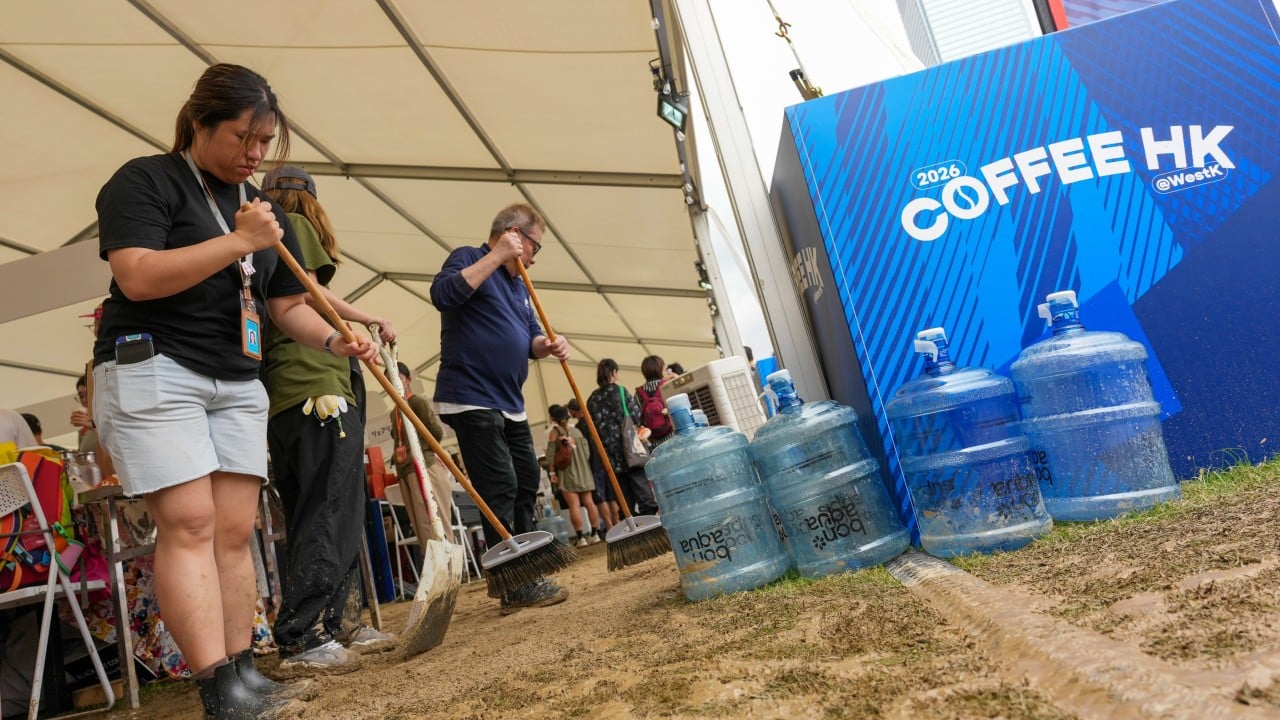
Building a temporary city for coffee lovers requires more than just tents. It requires structural integrity and a deep understanding of the local microclimate. Reports from the ground indicated that the "all-weather" tents provided were anything but. Water pooled in walkways, electrical setups became hazards, and the lack of indoor drainage turned the venue into a swamp.
If you are running an event in Hong Kong, you must plan for a T3 or T8 signal even if the forecast is clear. This means having weighted structures, redundant power supplies, and a digital check-in system that can be paused and restarted without losing data. The festival seemed to treat the weather as an anomaly rather than a baseline requirement of doing business in the Pearl River Delta.
The financial fallout is significant. Beyond the immediate refund requests, the long-term impact on insurance premiums for future events will be staggering. Insurers look at "avoidable loss." If a festival is cancelled because a typhoon hits, that is one thing. If a festival is ruined by a heavy afternoon shower because the tents were poorly lashed, that is negligence. The latter is rarely covered, leaving the organizers in a legal gray area that could lead to bankruptcy.
Rebuilding a Broken Brand
Trust is the hardest currency to earn and the easiest to spend. To recover, the organizers cannot simply promise to do better next year. They need to undergo a complete audit of their operational protocols. This starts with a public, transparent apology that doesn't use the weather as a shield.
They must also address the "VIP" problem. Many disgruntled guests paid for early access or special tastings that never materialized. In the hierarchy of brand damage, failing your most loyal, high-paying customers is a fatal error. A standard refund isn't enough for these individuals; they require a "make-good" that exceeds the original value of their ticket.
The industry is watching. Other event planners are now looking at their own contracts, wondering if they are one storm away from a similar fate. The Hong Kong Coffee Festival serves as a stark reminder that in the world of high-stakes lifestyle branding, the "experience" is only as good as the emergency exit plan.
The Vendor Perspective
We spoke to several independent roasters who requested anonymity to protect their future bookings. Their stories were consistent: a lack of direct communication from the festival directors and a sense of being abandoned once the fees were paid. One roaster mentioned they had invested over $20,000 HKD in specialized equipment and staffing for the weekend, only to see a fraction of that in sales before the gates were locked.
The power dynamic is skewed. Organizers hold the keys to the audience, and small businesses are forced to take the risk. A fairer model would involve revenue sharing or "weather insurance" built into the booth fee. If the event is cancelled, the vendor should be made whole, not just the ticket holder. This creates a shared incentive for the organizer to ensure the event happens safely and successfully.
Consumer Rights in the Modern Era
The Hong Kong Consumer Council has been increasingly active in monitoring the "experience economy." They have noted a rise in complaints regarding pop-up events and festivals that fail to deliver. The Coffee Festival backlash is a symptom of a larger trend where marketing outpaces reality.
Consumers are no longer willing to accept "bad luck" as an excuse for poor service. They have access to real-time weather data, peer reviews, and legal resources. If a festival promises a world-class experience, it must be prepared to deliver it in a drizzle or a downpour. The "outdoor lifestyle" trend in urban centers like Hong Kong is hit or miss because the infrastructure often lacks the permanence required to handle the elements.
Moving forward, the city needs stricter licensing requirements for large-scale outdoor festivals. This should include mandatory contingency funds held in escrow to handle immediate refunds and vendor compensation. Without these safeguards, the industry remains a "wild west" where the only people who lose are the fans and the small businesses that give the scene its soul.
The rain will always come. The wind will always blow. The only variable is whether the people in charge have the competence to hold the umbrella for their guests or if they'll be the first ones running for cover. For the Hong Kong Coffee Festival, the damage is done. The bitter taste left in the mouths of thousands of coffee enthusiasts won't be washed away by the next brew. It will take years of flawless execution to prove that they are more than just fair-weather facilitators.
The next time a major event is announced in the city, the first question from the public won't be about the guest list or the bean selection. It will be: "What happens if it rains?"
Stop looking at the forecast and start looking at the contract.