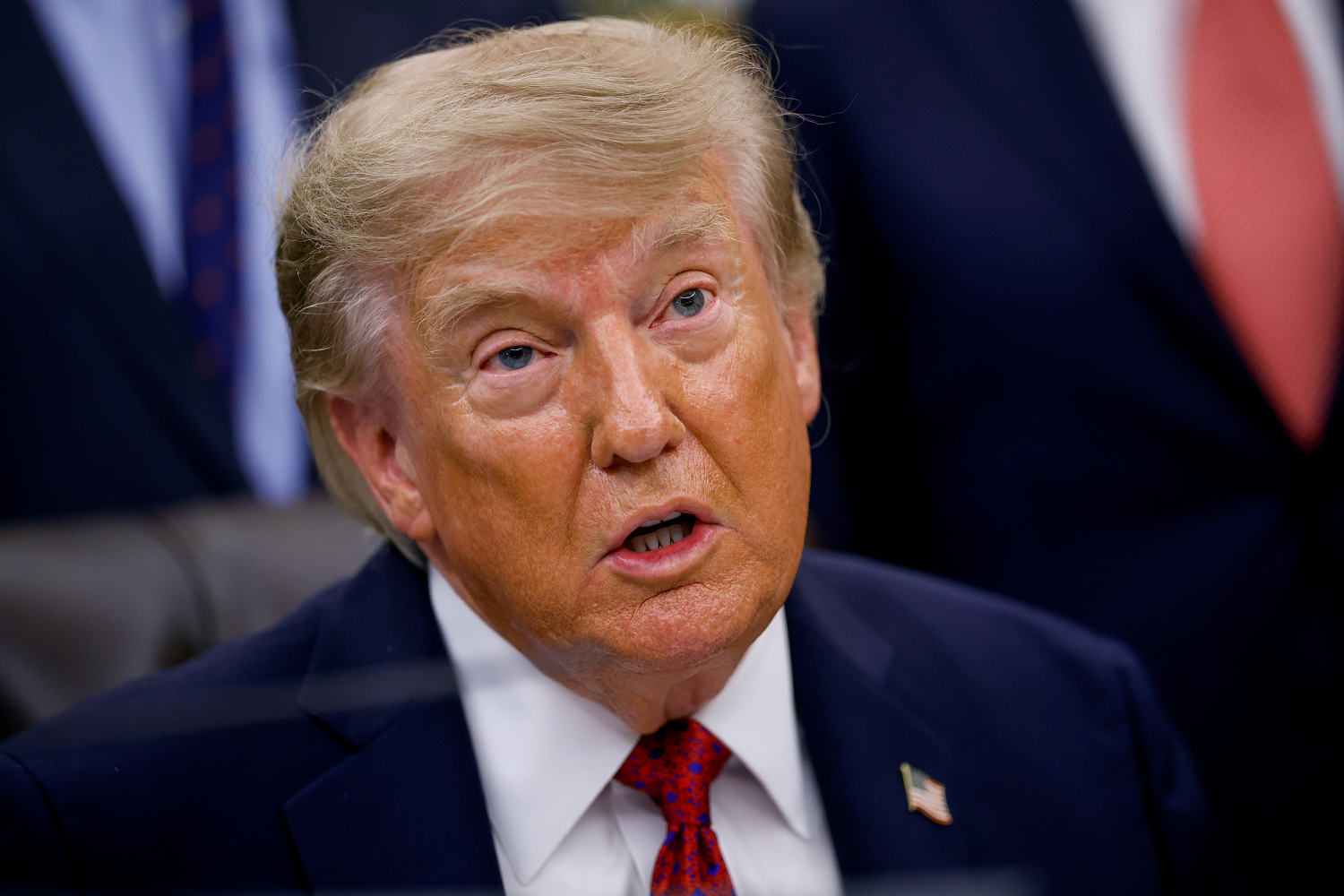
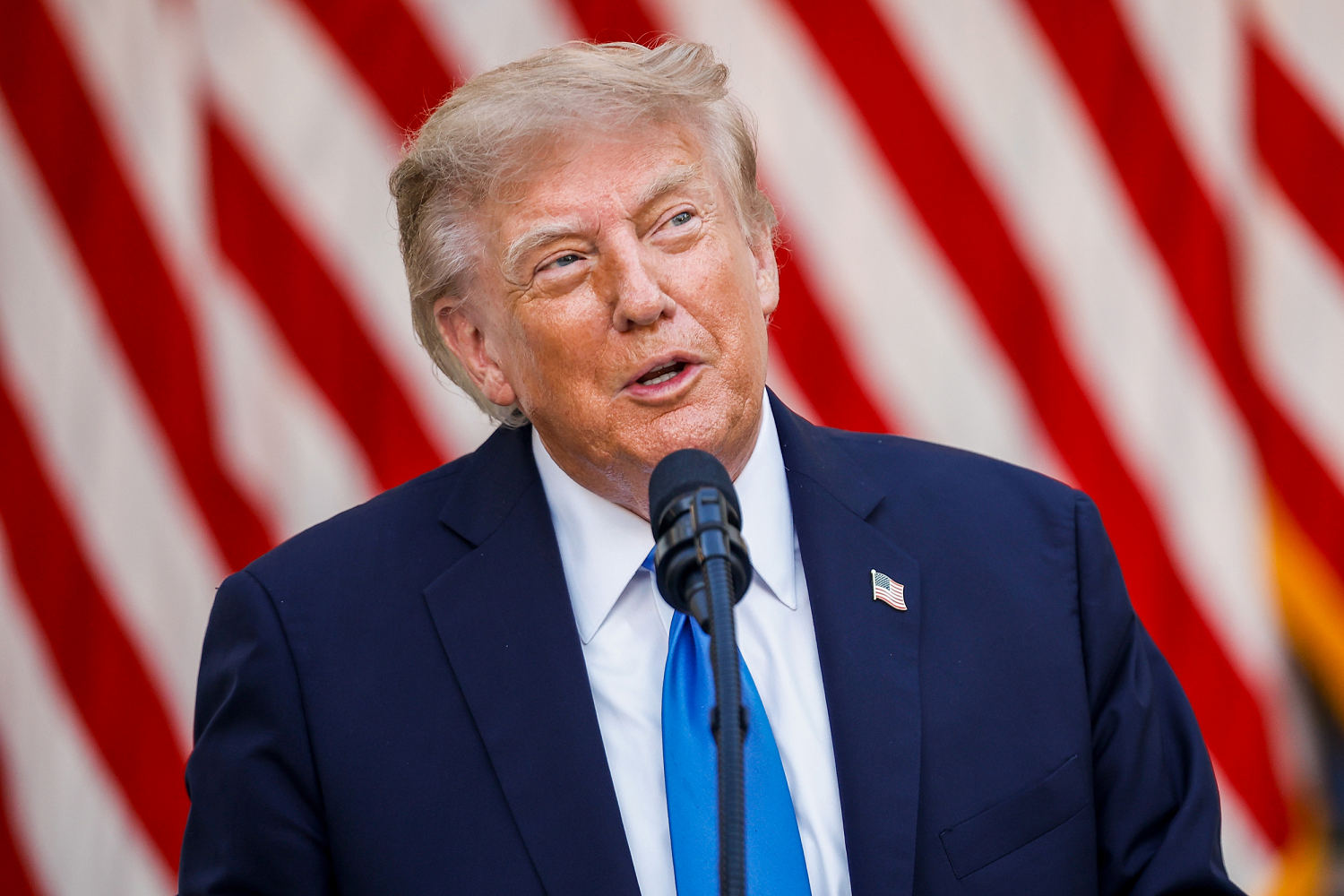
Donald Trump thought he could rewrite American identity with a single stroke of his pen. On January 21, 2025, just one day after taking the oath of office for his second term, the president signed Executive Order 14160. It was an aggressive attempt to unilaterally dismantle birthright citizenship, a legal reality that has defined the United States since the end of the Civil War. Trump ordered federal agencies to stop recognizing children born on American soil as citizens if their parents were undocumented immigrants or temporary visa holders. He bet big on a conservative judicial supermajority to back his executive overreach.
He lost.
In the landmark case Trump v. Barbara, decided on June 30, 2026, the Supreme Court delivered a massive, definitive rebuke to the administration's anti-immigration agenda. By a 6-3 vote, the justices struck down the executive order. They declared that the text of the Constitution means exactly what it says. Anyone born here is a citizen. Chief Justice John Roberts made it perfectly clear that a president cannot rewrite constitutional law by executive decree. This historic ruling ends a multi-year conservative campaign to upend immigration policy, preserving a foundational legal doctrine that protects hundreds of thousands of babies born every single year.
The Real Story Behind the High Court Birthright Citizenship Decision
The legal battle over birthright citizenship reached its boiling point because the Trump administration tried to bypass the legislative process entirely. Government lawyers argued that a long-accepted understanding of the Fourteenth Amendment was fundamentally flawed. For well over a century, the standard rules of American law meant that any person born within the geographic borders of the country automatically became a citizen. The only real exceptions were the children of foreign diplomats or occupying armies.
Trump's legal team tried to exploit a specific phrase in the Citizenship Clause of the Fourteenth Amendment. The text states that all persons born or naturalized in the United States, "and subject to the jurisdiction thereof," are citizens. The administration claimed that undocumented immigrants and temporary visitors do not owe full political allegiance to the United States. Therefore, they argued, their children are not fully subject to U.S. jurisdiction at birth.
The Supreme Court didn't buy it. Chief Justice Roberts dismantled this argument by looking directly at historical legal precedents. He tracked the concept back to English common law and old civil rights records. The majority opinion made it clear that if you are on American soil, you are required to obey American laws. You are under U.S. jurisdiction. It does not matter what kind of passport your parents hold.
The administration also tried to rely on a hyper-specific reading of United States v. Wong Kim Ark, an 1898 Supreme Court case. That ruling confirmed a child born to Chinese immigrants was a U.S. citizen because his parents had a permanent "domicile" in the country. The government claimed this meant permanent residency was a requirement for birthright citizenship. Roberts explicitly batted that down. He called the administration's view a dramatically revisionist interpretation of history. The word domicile does not appear anywhere in the Fourteenth Amendment.
Inside the Surprising Six Three Coalition That Defied the President
The voting alignment in Trump v. Barbara surprised people who expected a strict party-line division. Trump appointed three of the current conservative justices on the bench, but his own appointees split on this issue. Chief Justice Roberts authored the majority opinion and brought along one key conservative appointee, Justice Amy Coney Barrett. They joined forces with the court's three liberal justices, Sonia Sotomayor, Elena Kagan, and Ketanji Brown Jackson.
Justice Brett Kavanaugh provided the sixth vote to strike down the policy, though he took a slightly different path to get there. Kavanaugh argued that the executive order directly violated existing federal statutes, specifically the Immigration and Nationality Act. He didn't want to make a broad constitutional declaration, but he fully agreed that Trump's order was completely unlawful.
Justice Ketanji Brown Jackson wrote a powerful concurring opinion. She pushed back against the idea that citizenship should be determined by ancestry or parental status. Jackson wrote that the universalist aims of the Fourteenth Amendment should forever be the death knell for any legal claim that tries to make a bloodline the marker of birthright.
The dissenters were loud, angry, and divided. Justice Clarence Thomas wrote a long, sprawling dissent joined by Justice Neil Gorsuch. Thomas argued that the Fourteenth Amendment was originally designed to secure equal rights for formerly enslaved Black people. He claimed it was never intended to serve as a blanket tool for modern immigration political projects. Thomas explicitly stated that children of foreign temporary visitors shouldn't qualify.
Justice Samuel Alito penned his own separate dissent, calling the majority decision a serious mistake. Alito argued that maintaining automatic citizenship for the children of undocumented immigrants preserves a powerful incentive for people to cross the border illegally. He lamented that the court was taking away a tool the executive branch needed to handle border security.
What the Government Got Totally Wrong About the Fourteenth Amendment
The Trump administration's legal strategy ignored the historical context of the Reconstruction era. The Fourteenth Amendment was ratified in 1868, right after the Civil War. Its primary purpose was to overturn the infamous Dred Scott decision, which had declared that Black people could not be American citizens. The authors of the amendment wanted to create a clear, objective rule for citizenship that could not be manipulated by biased politicians or future presidents.
They chose geography as that objective rule. By tying citizenship directly to birth on American soil, the framers of the amendment created a system that was easy to understand and impossible for a rogue administration to turn off.
During oral arguments in April 2026, U.S. Solicitor General D. John Sauer tried to convince the court that the amendment was never meant to cover modern situations like birth tourism or mass undocumented migration. He claimed that hundreds of thousands of people were gaining citizenship through a massive historical misunderstanding.
Cecillia Wang, the ACLU National Legal Director who argued the case on behalf of the immigrant families, countered that the government's position would create a permanent, multi-generational subclass of residents. Imagine a country where children are born, raised, and educated in American towns, yet remain legal outcasts because of their parents' immigration status. The court recognized that danger. Roberts noted that citizenship is the right to have rights, and the framers extended that promise to every free-born person in this land.
The Real Impact of Keeping Automatic Citizenship Safe
If the Supreme Court had ruled in Trump's favor, the administrative chaos would have been unprecedented. Academic studies submitted to the court estimated that Trump's order would have denied citizenship to roughly 250,000 children born in the United States every single year. By the year 2045, that would have created a population of 5 million stateless individuals living inside American borders.
Hospitals, state vital statistics offices, and passport agencies would have been turned into immigration enforcement outposts. Parents would have had to prove their own legal residency status before a newborn baby could get a standard birth certificate or a Social Security number.
The decision provides immediate relief to millions of families, temporary workers, foreign students, and green card applicants. If you are here on a temporary work visa or a student visa, your child's legal status is completely safe. The ruling ensures that the core mechanic of American integration remains functional.
The political fallout for Donald Trump is immense. He spent a significant amount of political capital on this policy. He even attended part of the oral arguments in person, a highly unusual move for a sitting president. This is his second major defeat at the Supreme Court this year, following a February ruling that threw out his administration's sweeping global emergency tariffs. Trump reacted with fury on Truth Social, calling the ruling bad for the country and lashing out at the judicial system.
What Happens Next for Immigration Battles in Congress
The executive order route is completely dead. The Supreme Court has shut that door permanently. Trump is now urging his allies in Congress to pass a law to end birthright citizenship. He posted that lawmakers should start working immediately on a legislative fix.
That plan is going to run into a massive legal wall. The majority of constitutional scholars agree that changing birthright citizenship requires a constitutional amendment, not a standard piece of legislation. Passing an amendment requires a two-thirds vote in both chambers of Congress and ratification by three-quarters of the states. In a deeply divided country, that is politically impossible.
Even if Republicans try to pass a regular statute targeting birthright citizenship, it will face immediate filibusters in the Senate. Democrats, led by figures like House Minority Leader Hakeem Jeffries, have celebrated the court's ruling as a victory for American values, meaning any legislative push by the White House will be dead on arrival.
The administration will instead pivot to immigration policies that the court has recently signaled it will tolerate. Just days before this birthright citizenship ruling, the Supreme Court allowed immigration agents to turn aside asylum seekers at the southern border and upheld the cancellation of temporary humanitarian protections for over a million migrants.
If you are an advocate, an immigrant, or an immigration attorney, you need to prepare for a heavy shift toward fast-tracked deportations and stricter visa tracking. The battleground has shifted. The administration can't stop babies born here from becoming citizens, so they will focus entirely on removing the parents before those births can ever happen. Keep a close eye on local state immigration enforcement laws, as conservative governors are likely to test the limits of their own policing powers next.