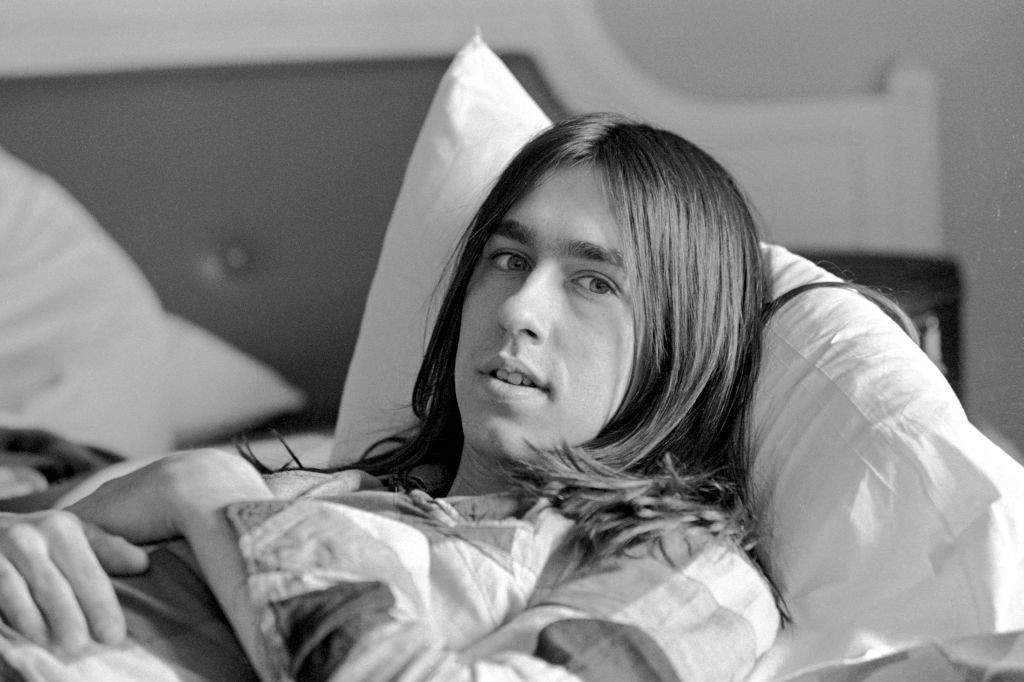
Billy Joel says he can't drive right now, and his doctors haven't cleared him to play live shows either. That sounds terrifying at first glance for a 77-year-old icon who spent decades owning arena stages and riding motorcycles. Yet the real story behind Billy Joel's brain disorder is way more nuanced than dramatic headlines make it look.
He's living with normal pressure hydrocephalus, often shortened to NPH. Unlike conditions that only get worse over time, NPH is one of the few neurological disorders that can actually improve with treatment. Joel has already had a shunt implanted in his brain, and he says his balance and memory got better afterward. Still, getting behind the wheel is off limits for now, and stepping back onto a loud stage comes with serious medical pushback. You might also find this connected coverage interesting: Why £13m Modeling Scams Thrive When Everyone Blames One Soap Star.
What Normal Pressure Hydrocephalus Actually Does
People hear the word "hydrocephalus" and immediately picture a medical crisis. Honestly, the older nickname—"water on the brain"—doesn't help. As highlighted in latest reports by Reuters, the results are notable.
What's actually happening is a buildup of cerebrospinal fluid inside the brain's fluid-filled spaces, called ventricles. That extra fluid cushions the brain normally, yet when too much collects in the ventricles, it puts mechanical pressure on nearby brain tissue. Even though fluid pressure measured during testing often reads near normal, the stretching and compression of surrounding nerve pathways can throw off everyday functions.
Joel has described the balance side of things vividly, comparing the sensation to feeling like you're on a boat when you're just standing there. Clinically, NPH is famous for a classic trio of symptoms—trouble walking or balance issues, memory or thinking changes, and bladder control problems—though not everyone experiences all three the same way.
Because those signs overlap heavily with normal aging, Alzheimer's disease, or Parkinson's disease, NPH gets missed or misdiagnosed far too often. As Joel put it on his SiriusXM channel, it's tough sometimes to tell what's just getting older and what's a specific medical condition. According to clinical guidance from organizations like the Hydrocephalus Association and health systems such as Jackson Health, catching it early matters because targeted care can reverse or ease symptoms that otherwise look permanent.
Why Driving and Rock Shows Are Off the Table
When you hear that a musician isn't allowed to drive and can't perform, it's easy to assume his overall health is collapsing. Joel pushed back on that idea directly, saying his health is good and he isn't going anywhere. Driving restrictions tied to balance, vision, reaction time, or ongoing neurological evaluations are a safety call, not necessarily a sign of imminent decline.
Live concerts are a different beast entirely. Most fans picture a rock show as a fun night out, forgetting how punishing the sensory environment is on the body.
- Sound pressure and hearing strain: Decades of loud music already took a toll on Joel's hearing, and high-volume environments stress auditory and vestibular pathways that help keep you steady.
- Strobe lights and visual load: Flashing lights, moving screens, and rapid visual shifts force the brain and inner ear to work overtime at the exact same moment.
- Physical and emotional stress: Adrenaline, long sets, travel fatigue, and crowd energy stack up fast on a nervous system that's still stabilizing.
Joel shared that a neurologist told him doing a show right now feels almost like getting a concussion every time. Whether a doctor uses "concussion" as a plain-English metaphor for sensory overload and neurological strain or points to acute symptom flare-ups, the takeaway is clear: his medical team wants further testing before letting him test his limits under bright lights and booming speakers.
You can also see a practical shift in his everyday life. Selling off more than 70 motorcycles from his personal collection at auction isn't just about clearing garage space. When your balance isn't what it used to be and you're in your seventies, walking away from two wheels is a smart, grounded choice.
How Shunt Surgery Works and Where Evidence Stands
The turning point in Joel's treatment was agreeing to a shunt procedure. If you've never looked into neurosurgery for NPH, the idea of placing a small tube inside the brain sounds intense—and Joel admitted he didn't want to do it at first.
Surgeons typically place a shunt system (often a ventriculoperitoneal, or VP, shunt) so excess cerebrospinal fluid can drain away from the ventricles and be absorbed elsewhere in the body, commonly the abdomen. Modern programmable valves even allow doctors to adjust drainage settings non-invasively over time as a patient recovers.
Here's where I want to be straight with you: shunt surgery isn't a magic cure-all for every single person with NPH. Clinical outcomes depend heavily on accurate diagnosis, how long symptoms have been present, and whether co-occurring conditions like vascular changes or Alzheimer's pathology are also at play. Some patients see dramatic gains in walking and thinking, some see partial improvement like Joel described with his balance and memory, and others have complications or limited relief that require valve adjustments or physical therapy.
That honesty is crucial whenever celebrity health news breaks. Headlines love simple arcs—diagnosis, surgery, total triumph—while real neurology looks more like steady adjustments, follow-up scans, and cautious pacing.
What Fans and Families Can Take Away From This
Watching someone like Billy Joel talk candidly about Billy Joel's brain disorder changes how you look at aging and neurological symptoms. A few practical steps are worth keeping in mind if you or someone in your family is noticing unexplained balance slips, memory fog, or urinary changes:
- Don't shrug off steady balance changes as "just age." If someone feels unsteady, shuffles, or complains of a rocking sensation without an obvious inner-ear infection, write down specific examples and bring them to a primary care doctor or neurologist.
- Ask specifically about treatable mimics. When evaluating older adults for cognitive or mobility decline, ask whether NPH or other reversible contributors have been ruled out alongside standard assessments.
- Expect a workup, not a single test. Diagnosing and managing NPH usually involves imaging (such as an MRI or CT scan), specialist evaluation, sometimes fluid-drainage trials, and physical therapy rather than a one-minute answer.
- Respect temporary restrictions as data, not a verdict. Holding off on driving or high-stimulation activities gives doctors a cleaner read on how the brain responds to treatment and testing.
If you're following Joel's updates, keep your expectations grounded in what he's actually said: he's feeling good, taking things step by step, and letting medical tests—not wishful thinking—decide what comes next.