The modern radicalization of a young mind does not begin with a secret meeting in a dimly lit basement or a clandestine handoff of banned literature. It begins with the soft, rhythmic click of a computer mouse in a suburban bedroom. It begins with a blue-light glow bouncing off the walls while the rest of the house sleeps.
For months, John’s family thought he was just going through a phase. John is a pseudonym, a composite of the young men currently sitting in maximum-security cells across the country, but his trajectory is entirely real, documented in court records and police transcripts. His parents saw a teenager who was growing increasingly quiet, someone who preferred the company of anonymous internet forums to the family dinner table. They figured it was standard adolescent angst. They figured he would outgrow it.
They did not know that the algorithms ruling his screen had noticed his isolation. And they did not know those algorithms were weaponizing it.
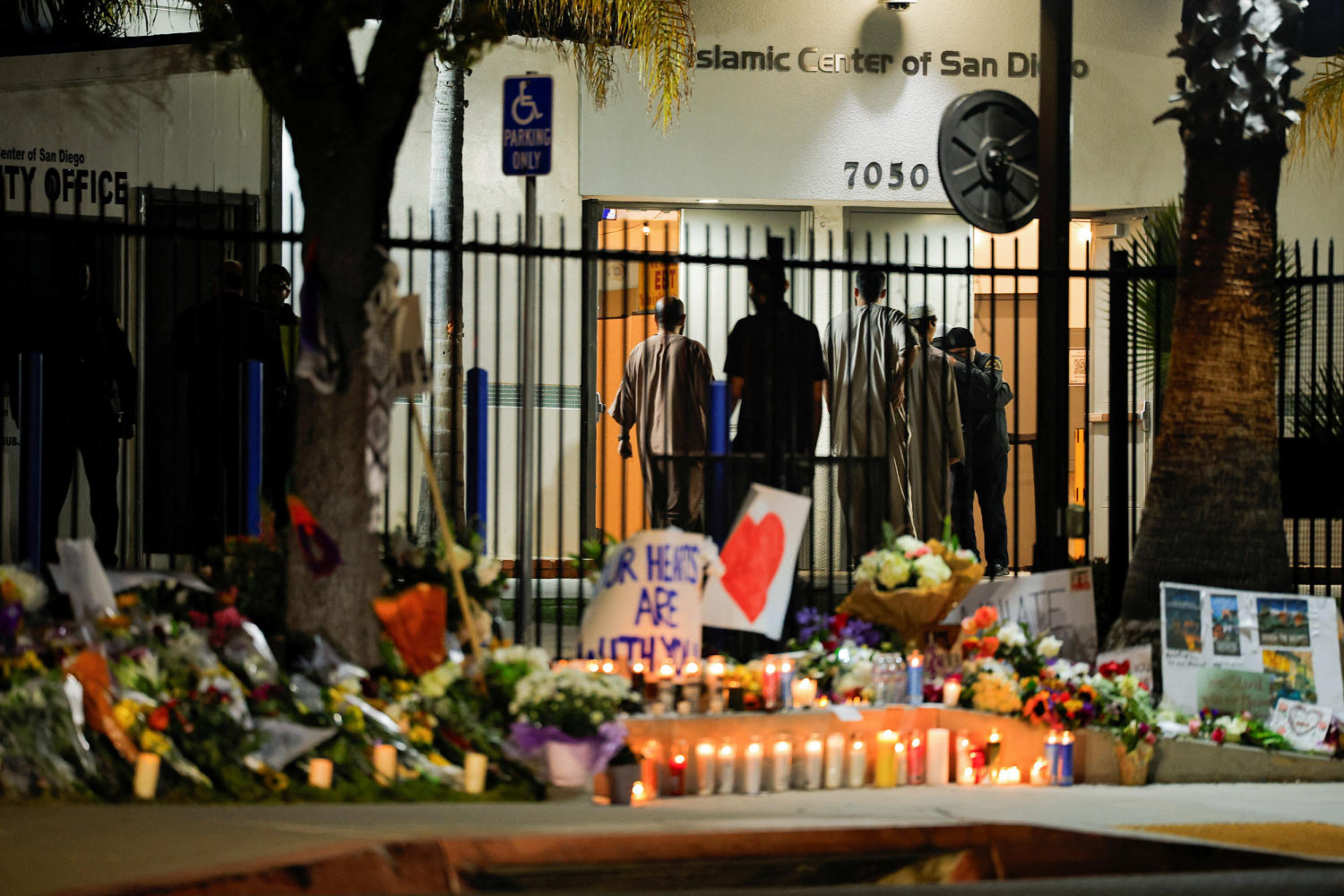
When an attack occurs—like the real-world arson and shooting at a San Diego-area mosque—the public immediately looks for a physical manifesto or a local hate group. We want a tangible monster to point at. But the family of the suspect in that tragedy pointed toward something far more elusive, yet far more pervasive: the digital pipeline that systematically warps a person's worldview until violence feels not just justified, but inevitable.
The Frictionless Slide Down the Rabbit Hole
To understand how a seemingly ordinary kid transforms into someone capable of walking into a house of worship with hate in his heart, you have to look at the architecture of the platforms we use every day.
Imagine a massive, digital funhouse mirror. A user types a slightly edgy joke or clicks on a video debating a controversial political topic. The platform’s code does not possess a moral compass; it possesses an engagement metric. Its only goal is to keep that user eyes-on-the-screen for as long as possible to sell ads.
The system notices that the user stayed on that specific video for three minutes instead of three seconds. It calculates. It predicts.
Next comes a video that is slightly more intense. Then another. Within weeks, the user is no longer seeing the mainstream internet. They are trapped in an echo chamber where extreme views are normalized, and moderate voices are entirely erased. It is a frictionless slide.
Consider what happens next: the isolation deepens. Because the user’s real-world friends do not share these increasingly bizarre and hostile views, the user retreats further online. The internet forum becomes their primary community. The anonymous users validation becomes their oxygen.
This is not a failure of intelligence; it is a hijacking of human psychology. We are wired to seek belonging. When the real world feels cold or confusing, the digital world offers a counterfeit sense of purpose. It tells the lonely teenager that they are not a misfit; they are a warrior in a hidden war.
The Myth of the Lone Wolf
Law enforcement agencies often use the term "lone wolf" to describe these attackers. It is a comforting phrase because it implies the problem is isolated. An anomaly. A single broken gear in an otherwise functional machine.
But the families of those who have lost their children to online extremism know better. They see the truth. Their children were never truly alone; they were surrounded by a toxic digital crowd egging them on.
In the case of the San Diego mosque incident, the suspect’s family expressed profound shock,描述 describing a young man who had been utterly consumed by hateful content online. They watched the transformation happen in real-time but lacked the vocabulary or the technological literacy to stop it. They were fighting an enemy they could not see, embedded in a device they did not understand.
The statistics back up their grief. Research from institutions studying digital hate shows a direct, quantifiable link between the rise of unmoderated, fringe online communities and the spike in real-world hate crimes. The internet does not stay on the screen. It spills onto the pavement.
Breaking the Screen
We treat digital literacy as a skill for the workplace—teaching kids how to code or use spreadsheets. We rarely treat it as a matter of psychological survival.
If a stranger walked into a neighborhood and began handing out extremist pamphlets to teenagers in their backyards, parents would call the police immediately. Yet, when the same material is delivered via a sleek interface with a high-definition video package, it passes right through the front door unnoticed.
The real problem lies in our collective refusal to hold the architects of these digital spaces accountable. We treat the algorithms as if they are acts of nature, like rain or gravity, rather than deliberate pieces of engineering designed to maximize profit at the expense of social cohesion.
Change does not come from simply telling people to log off. It requires a fundamental shift in how we view our relationship with technology. It requires recognizing that the machine is designed to find our fractures and widen them.
The quiet in the house is broken only by the hum of the hard drive. A mother walks past her son's bedroom door, seeing the line of light at the bottom, assuming he is safe because he is home. Inside, a world is being dismantled, one pixel at a time.