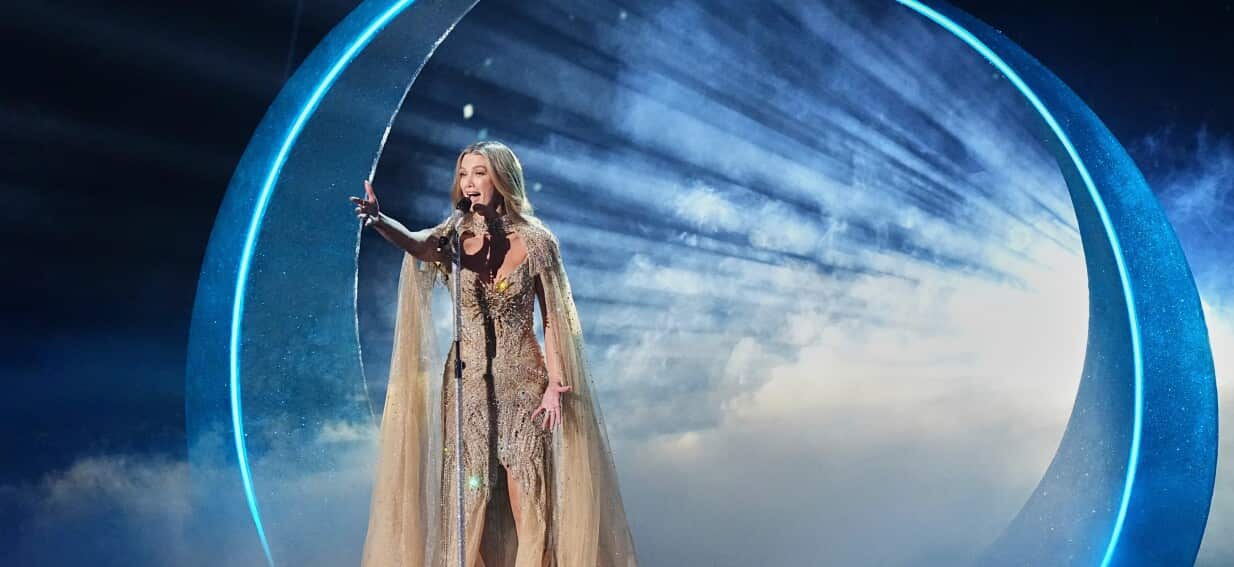
The corporate machinery behind modern country music wants you to believe that the 2026 Academy of Country Music Awards represents a organic, historic triumph for women in the genre. They point to Megan Moroney sitting on top of the pile with nine nominations. They point to Miranda Lambert boasting eight, and Ella Langley and Lainey Wilson following closely with seven apiece. They crown Shania Twain as the first-time host, framing the May 17 broadcast from the MGM Grand Garden Arena in Las Vegas as a milestone of female empowerment.
But looking closely at the machinery reveals a more complicated reality.
Beneath the glittering surface of the 61st annual ceremony lies an industry locked in a fierce existential conflict. While women sweep the nominations for the second consecutive year, the actual infrastructure of country music—specifically terrestrial radio airplay and stadium touring revenues—remains stubbornly hostile to the very women dominating the ballot. The 2026 ACM Awards are not just a celebration. They are a battleground where critical acclaim and streaming data clash directly against institutional inertia.
The Streaming Boom Versus the Airplay Monopoly
Megan Moroney did not build her massive audience by waiting for traditional radio programmers to notice her. Her nine nominations, driven heavily by her work on Am I Okay? and tracks like "6 Months Later," are the direct result of a massive, decentralized streaming audience. Younger fans, particularly young women, consume music through on-demand platforms, bypassing the traditional gatekeepers entirely.
This shift creates a massive disconnect within the industry.
- The Streaming Reality: Artists like Moroney, Ella Langley, and Carter Faith rack up hundreds of millions of streams globally, selling out theater and amphitheater tours on the strength of direct-to-consumer relationships.
- The Radio Reality: Terrestrial country radio still relies heavily on a rotation dominated by male artists. The "bro-country" era may be technically over, but the structural preference for male vocals on commuter drive-time radio remains intact.
By loading the 2026 nominations with female powerhouses, the ACM voting block—which includes artists, producers, and executives—is attempting to force a correction. They are using the prestige of the trophy to validate the financial reality of the streaming ecosystem. If Moroney walks away with Entertainer of the Year over heavy hitters like Morgan Wallen or Luke Combs, it sends a clear signal that the old metrics of success are officially dead.
The Las Vegas Migration and the Push for Global Scale
The decision to move the 2026 broadcast back to Las Vegas, abandoning the Ford Center at The Star in Frisco, Texas, after a three-year stint, is another calculated business maneuver. Texas offered authentic country branding, but Las Vegas offers global infrastructure.
Streaming exclusively on Prime Video means the ACMs are chasing an international audience that values spectacle over regional authenticity. Bringing in Shania Twain to host is the ultimate realization of this strategy. Twain is the blueprint for the global crossover country star. By placing the woman who defied Nashville's traditional boundaries in the 1990s at the center of the stage, the academy is signaling its desire to break completely free from geographic constraints.
Twain understands the unique pressures facing the new generation. She took the genre to global pop arenas while fighting a Nashville establishment that initially viewed her style as sacrilege. Her presence is a reminder that the current struggle for crossover appeal and creative control is a battle that has been fought before.
The Underdog Threat to the Mainstream Elite
While the headlines focus on the pop-adjacent success of Moroney and Wilson, the most compelling narrative of the 2026 awards lies in the traditionalist revival happening just below the surface.
Zach Top secured five nominations, including Male Artist of the Year and Album of the Year for Ain't In It For My Health. Top represents a stark counter-argument to the polished, genre-blending sounds of his contemporaries. His music is unvarnished 1990s honky-tonk, proving that an appetite for traditional steel guitar and fiddle persists even as the industry pivots toward global streaming metrics.
The Album of the Year High-Stakes Stand-Off
| Nominee | Sonic Profile | Industry Strategy |
|---|---|---|
| Morgan Wallen (I'm the Problem) | Contemporary Pop-Country | Streaming Dominance & Stadium Sales |
| Zach Top (Ain't In It For My Health) | Traditional Neo-Traditionalist | Grassroots Credibility & Purist Appeal |
| Riley Green (Don't Mind If I Do) | Blue-Collar Anthem Country | Core Terrestrial Radio Favoritism |
| Parker McCollum (Parker McCollum) | Texas Red-Dirt Crossover | Regional Powerhouse Mainstream Pivot |
| Carter Faith (Cherry Valley) | Indie-Aesthetic Country-Noir | DSP Editorial Playlist Darling |
This category illustrates the fragmentation of the genre. Wallen represents the undisputed commercial sun around which the rest of the industry orbits. Yet, he is entirely absent from the performance lineup. Instead, the stage will feature raw, performance-driven acts like The Red Clay Strays, alongside legacy powerhouses like Lee Ann Womack and Kacey Musgraves. The academy is deliberately highlighting live vocal talent and instrumental proficiency, drawing a line between viral commercial consumption and artistic merit.
The Illusion of Early Consensus
The ACMs have already begun handing out trophies behind closed doors, a tactic designed to trim the fat from the live broadcast and ensure a fast-paced, performance-heavy television product. Jessie Jo Dillon made history by securing her third consecutive Songwriter of the Year trophy. Avery Anna and Tucker Wetmore picked up the New Female and New Male Artist titles, respectively.
Securing these early wins looks good on a press release, but it robs these rising artists of their live television moment. It concentrates the prime-time spotlight onto a select few multi-nominated superstars. This strategy keeps the ratings steady for Amazon, but it risks reinforcing the idea that country music is an exclusive club where only the top tier gets to speak on microphone.
The industry is giving women their flowers in the nomination phase, but the real test occurs when the envelopes are opened on Sunday night. If the major categories sweep male artists who dominate terrestrial radio while the female streaming giants are relegated to secondary wins, the event will expose the deep cracks in Nashville's current business model. Trophies look good on a shelf, but equity in investment, tour promotion, and radio programming is where the real power resides.