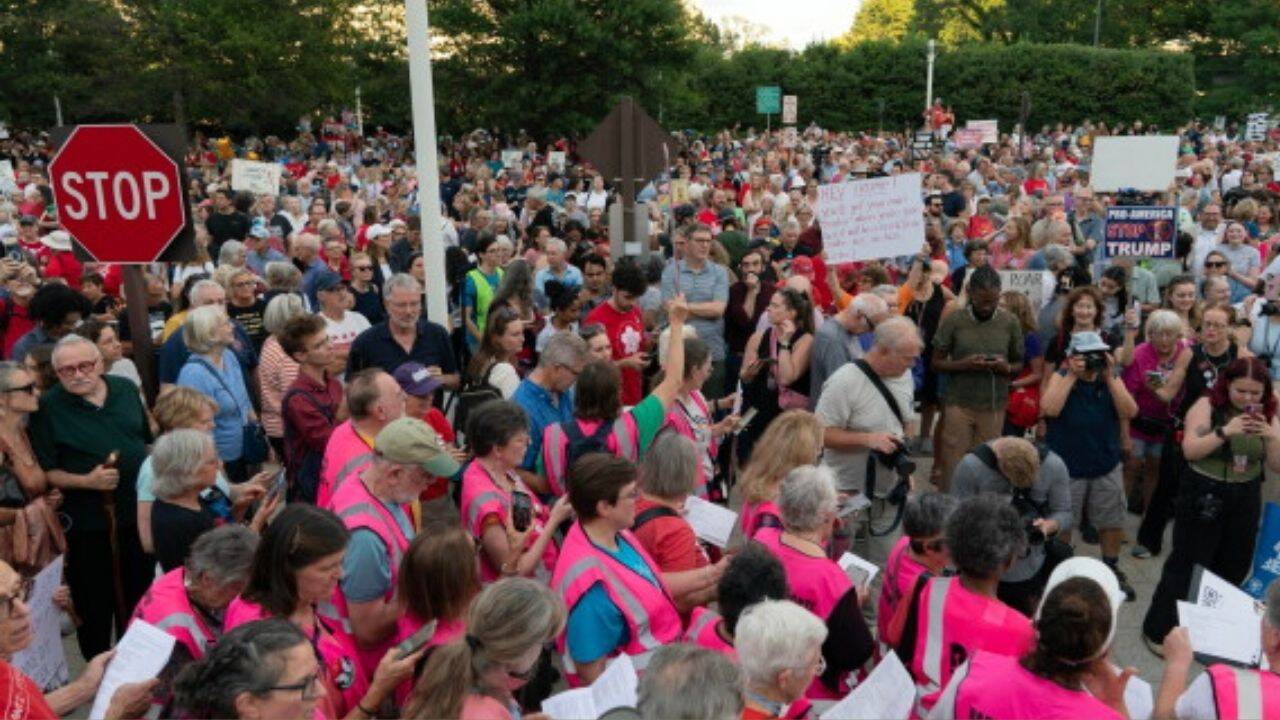
Thousands of demonstrators recently flooded the waterfront outside the John F. Kennedy Center for the Performing Arts, locking arms in a human chain to protest a creeping, surreal reality: an iconic national monument is caught in an existential crossfire of presidential ego, federal litigation, and structural closure.
The immediate catalyst for the mobilization was a jarring photograph captured through the windows of Air Force One, showing the president examining a placard emblazoned with the words "Kennedy Center DEMOLITION". That single image transformed abstract legal threats into a tangible fear. Citizens, artists, and regular patrons packed the plaza, bearing signs, inflatable figures, and a deep-seated anxiety that Washington, D.C.'s premier cultural institution could be systematically dismantled or rebranded out of existence.
To understand how a living memorial to a slain president became the epicenter of a bitter architectural turf war, you have to look past the picket lines and examine the mechanics of executive overreach colliding with federal oversight.
The Anatomy of a Takeover
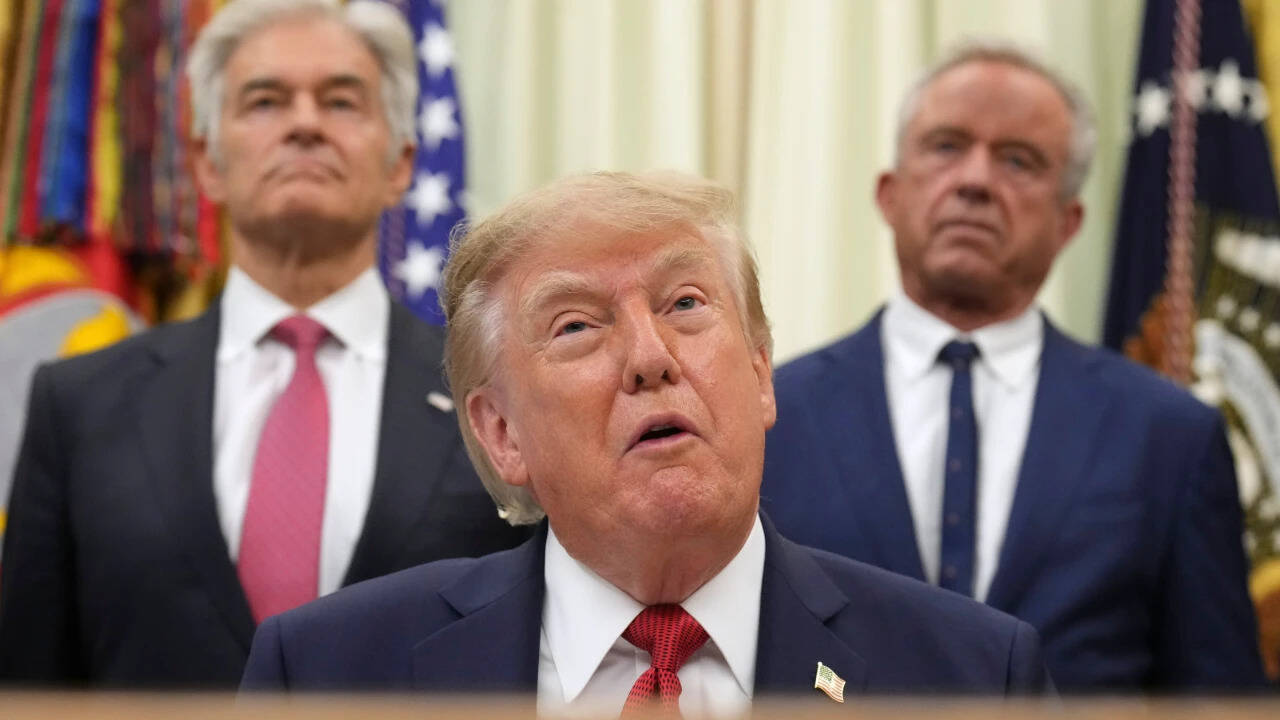
The confrontation did not materialize overnight. Since taking control of the venue's governance via allied appointments, the administration has pushed to reshape the cultural landmark. Attempts to physically stamp the president's name onto the facility's facade sparked immediate pushback from federal courts. U.S. District Judge Christopher Cooper stepped in multiple times, blocking the signage modifications and ruling them violations of prior injunctions.
Rather than backing down, the administration-aligned board countered by voting to close the main building indefinitely. The justification provided was urgent infrastructure maintenance and financial strain, but the timing told a different story. The closure announcement dropped mere hours after the court struck down the renaming effort.
For the arts community, the closure was viewed not as a good-faith renovation effort, but as a punitive shutdown designed to sideline uncooperative programming and squeeze out dissenting artists. When executive pressure meets judicial blocks, public spaces often become collateral damage.
Echoes of the East Wing
The public fury on the plaza was fueled by a specific precedent. Protesters frequently point to recent structural changes elsewhere in the capital, noting that unexpected alterations to federal grounds have caught the public off guard before.
When citizens say they are worried about physical destruction happening overnight, they are reacting to a governance style that treats federal real estate as clay to be molded by executive decree. The legal guardrails are holding—for now. Judge Cooper ordered the administration to provide a mandatory thirty-day notice before executing any major physical changes or demolition operations. Yet, legal briefs and court orders offer cold comfort to people watching a political administration test the absolute outer limits of its authority.
The Financial Argument and the Cultural Cost
Defending the aggressive posture, the administration has framed the institution as a mismanaged financial sinkhole. The argument goes that without drastic intervention, the facility cannot survive, and that any rescue effort must come with permanent branding and recognition for the saviors.
Critics counter that treating a national cultural memorial like a distressed commercial asset misses the point of public infrastructure. Ticket sales have slumped, donors have pulled back, and major performances have relocated as the institution gets dragged into the daily news cycle.
The standoff has turned a symbol of artistic excellence into a high-stakes chess match. As legal motions pile up in federal court, the fate of the venue hangs in a delicate balance between executive ambition and the stubborn resistance of a public unwilling to watch a landmark fall.