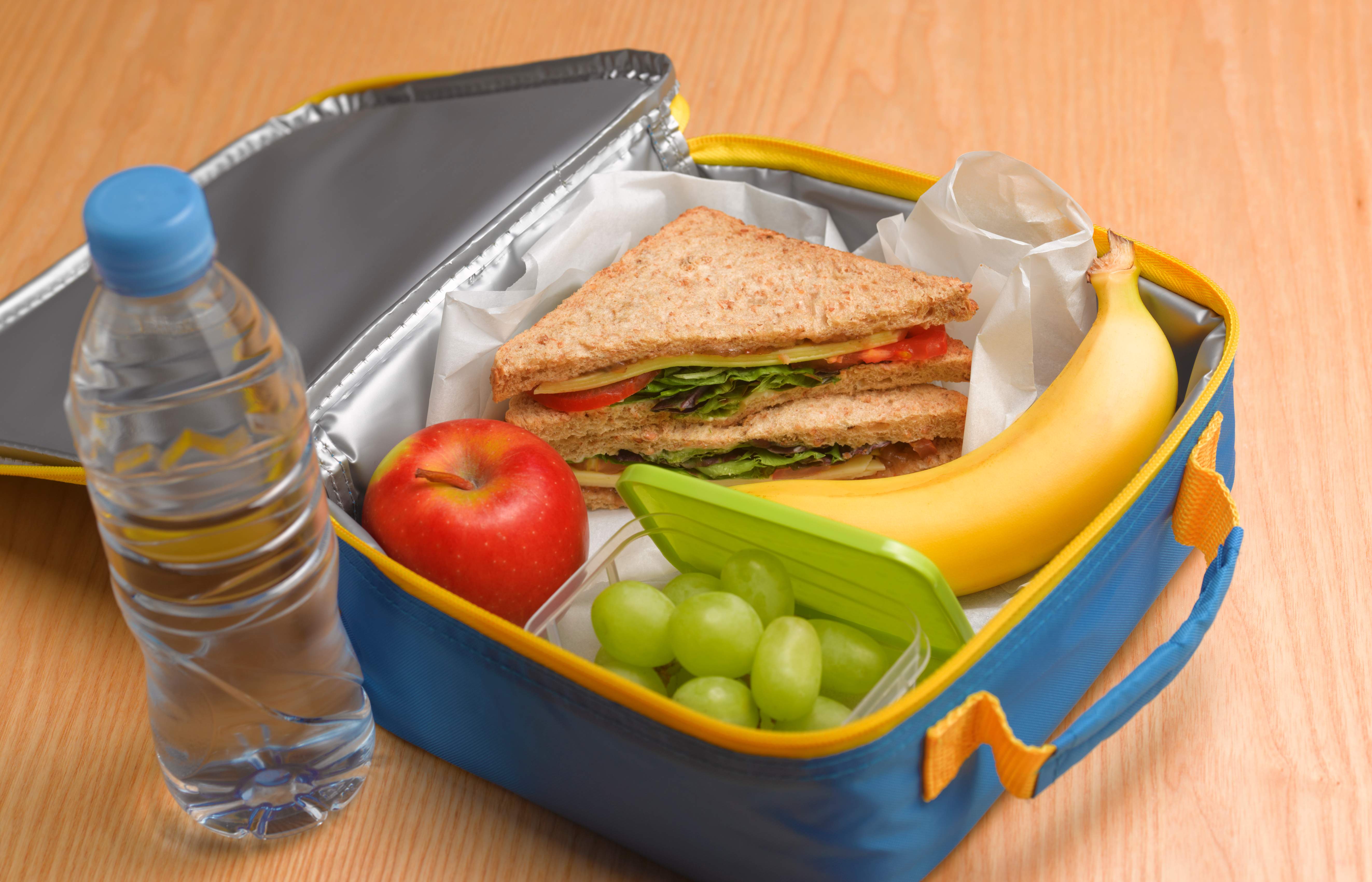
Packing school lunches right now feels like a cruel math problem where the numbers keep moving. You stand in the grocery aisle staring at a package of sliced turkey or a carton of berries, watching inflation slowly drain your patience. Prices are uneven. One week produce is reasonable, and the next week a single bag of apples costs enough to make you question your life choices.
Reports on food pricing trends show that grocery costs refuse to stabilize in predictable ways. Families trying to manage back to school lunches face a moving target. You can't just pick a meal rotation and stick to it all semester. That rigid approach breaks your budget within a month. Flexibility isn't just a nice idea anymore. It is survival.
I’ve spent years figuring out how to feed picky kids without going broke. Trust me, the old ways of meal prepping are dead. If you buy exact ingredients for five identical bento boxes every Sunday, you are setting yourself up for wasted food and wasted cash. Let’s talk about how to actually handle school lunches when grocery bills keep acting unpredictable.
The Myth of the Rigid Meal Plan
Most parenting blogs tell you to plan every single meal down to the minute. They show you gorgeous lunchboxes filled with imported cheeses and perfectly shaped fruit cutouts. Ignore them. That lifestyle requires a personal assistant and an unlimited budget.
When food prices swing wildly week to week, rigid plans fail. If you lock yourself into making homemade chicken nuggets every Tuesday, but chicken prices spike by thirty percent, your whole system shatters.
Instead, build a flexible framework. Think of lunch packing as a formula rather than a fixed menu. You need a main, a fruit, a vegetable, and a snack. What actually goes into those categories should change based on what is on sale that week.
- Check weekly circulars before you shop.
- Build your meals around discounted produce.
- Buy store brands without guilt.
- Keep frozen alternatives on hand for price spikes.
Store brands save serious money. I learned this the hard way after years of buying name-brand crackers that kids devour in three seconds anyway. The generic versions taste identical, and your wallet will thank you.
Where Everyone Messes Up With Bulk Buying
Buying in bulk sounds smart until half your bulk purchase rots in the crisper drawer. We have all done it. You buy a massive clamshell of spinach because the unit price looks amazing. Three days later, it turns into liquid sludge.
Bulk buying only works for non-perishables or items you can freeze immediately. Rice, beans, oats, and frozen vegetables make great bulk investments. Fresh berries do not.
When food prices jump around, smaller, frequent trips often beat massive warehouse runs. You buy only what you need for the next three days. This stops food waste and keeps your cash flow manageable.
Spotting Hidden Price Traps
Grocery stores hide markup in plain sight. Pre-cut fruit costs twice as much as whole fruit. Individual yogurt cups cost more than a large tub portioned out into reusable containers.
- Avoid single-serving snack packs.
- Slice your own cheese blocks.
- Portion bulk snacks into small reusable bags yourself.
It takes five extra minutes on a Sunday night. Those five minutes save you hundreds of dollars over the school year.
Embracing the Chaos of Assembly Style Lunches
Kids do not care about culinary artistry. They care about eating something edible fast so they can go run outside. Use that to your advantage.
Adult Lunchables or snack-plate style lunches save sanity and money. Throw in some crackers, cubed cheese, rolled-up deli meat, and baby carrots. It requires zero cooking, uses whatever odds and ends you have left in the fridge, and feels fun to a child.
This approach also handles uneven food prices brilliantly. If deli ham gets too expensive, swap it for hard-boiled eggs or sunflower seed butter. If cucumbers cost a fortune, swap them for celery sticks or bell pepper strips.
Dealing With Picky Eaters on a Budget
Feeding a picky child is hard enough. Doing it while dodging inflation feels impossible. You try a new vegetable because it is cheap, and your kid refuses to touch it.
Do not panic. Introduce new foods at home first, not in the lunchbox. If it goes into the school lunchbox, it usually comes right back home untouched. Keep familiar, affordable staples in rotation while slowly testing new options on the weekends.
Making Smart Substitutions Work For You
You need a backup plan for when your favorite lunch items double in price. Here are real swaps that keep costs down without causing a revolt at the lunch table.
Fresh berries get ridiculously expensive during off-peak months. Swap them for frozen blueberries thawed overnight, or pivot to cheap seasonal fruits like bananas and oranges.
Pre-made granola bars cost a fortune per ounce. Bake a simple batch of oat bars on the weekend with your kids. It costs a fraction of the price, and you control the sugar content.
Deli meats are a budget trap. Roast a whole chicken on Sunday night. Use the sliced meat for sandwiches all week, and boil the carcass for soup later. You get three meals out of one purchase.
Navigating the Rest of the School Year
Prices will keep fluctuating. Supply chains remain messy. The grocery store will continue to throw curveballs your way every single month.
Stop aiming for perfection in the kitchen. Give yourself permission to keep things simple, cheap, and adaptable. Focus on feeding your kids well without emptying your bank account. Check your local flyers tonight, adjust your strategy for tomorrow, and stop stressing over what you cannot control.