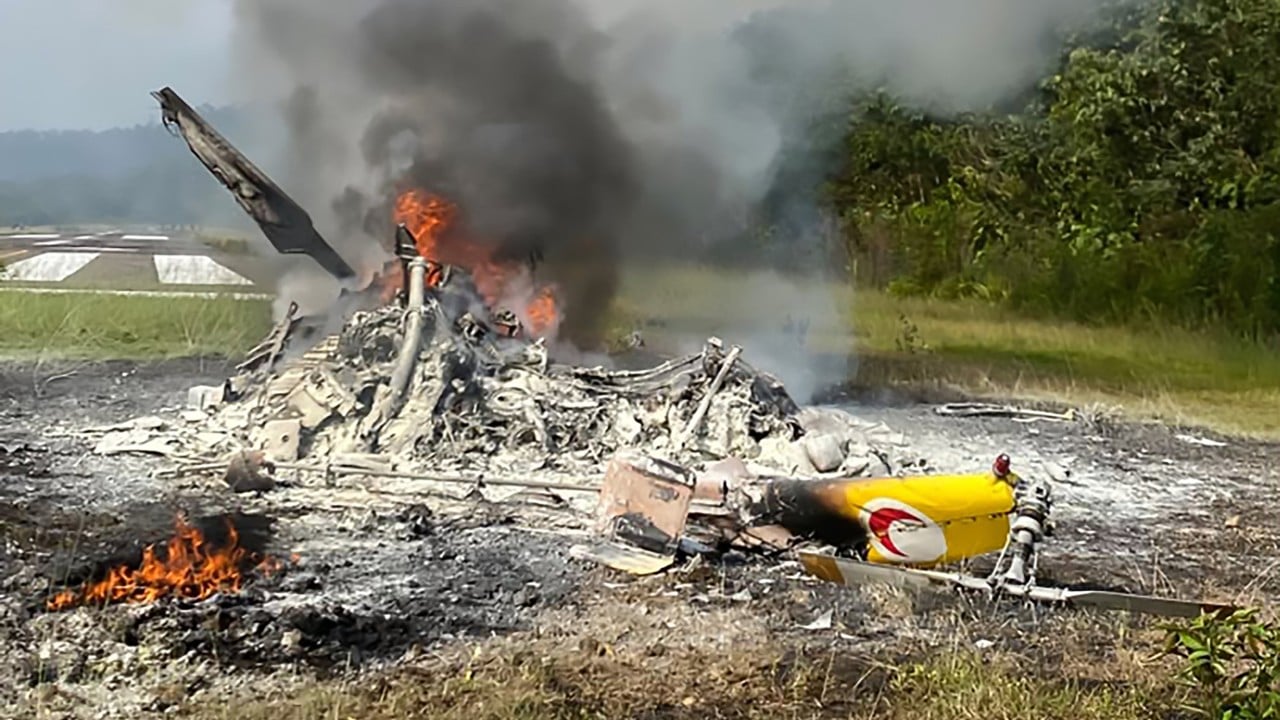
The fatal crash of a charter helicopter operating under Malaysia's Flying Doctor Service near the Long Lellang Short Take Off and Landing port in Sarawak exposes the persistent vulnerability equations inherent in remote aerial medical logistics. Five occupants, consisting of a pilot, a medical officer, an assistant medical officer, and two nurses, died when their MBB Bo 105 aircraft went down. Deconstructing this disaster requires moving past standard news reporting to analyze the operational risk architecture, asset performance parameters, and systemic constraints governing rural healthcare delivery in difficult terrain.
The Operational Cost Function of Isolated Medical Access
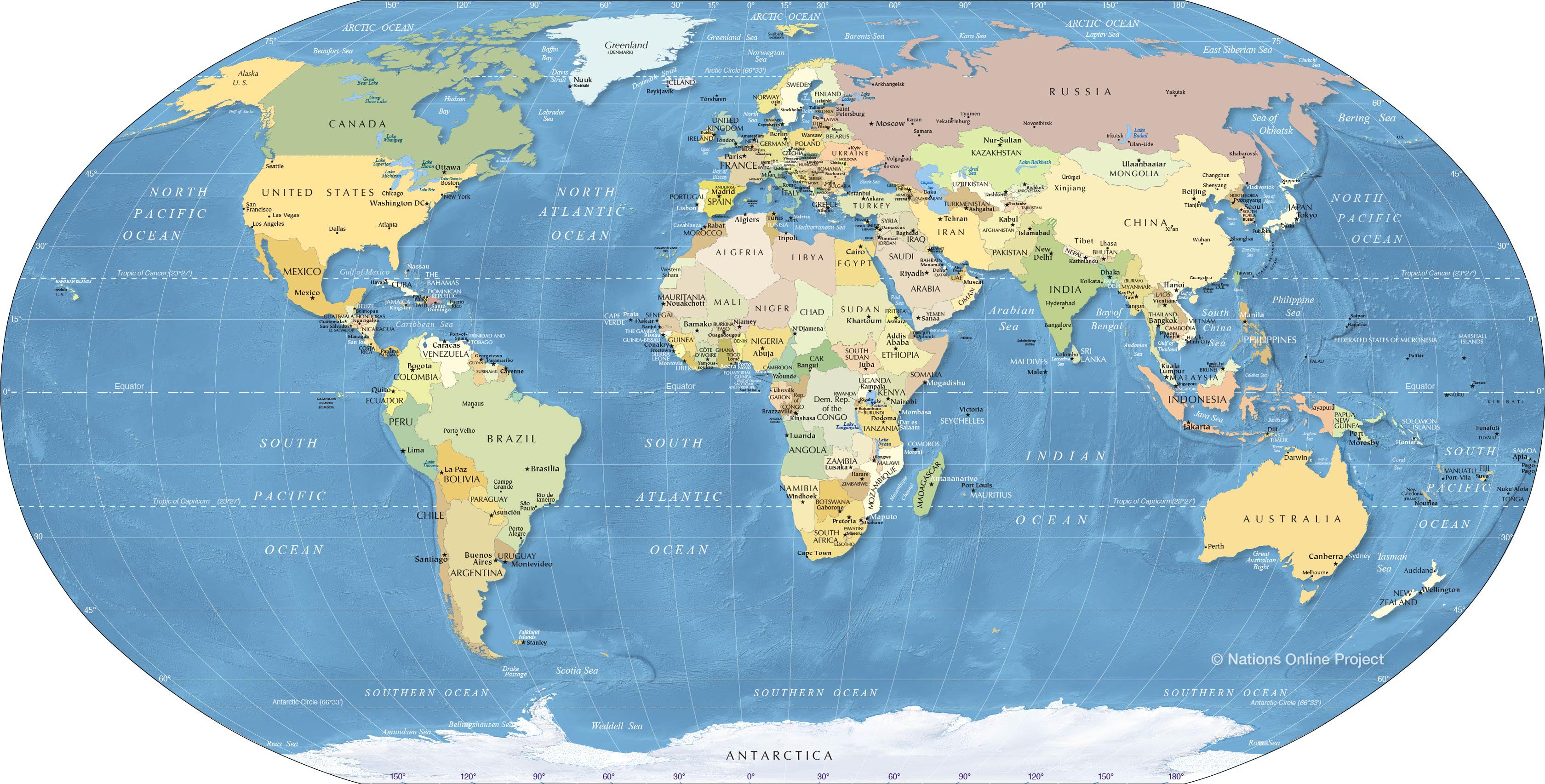
Delivering clinical care to indigenous settlements scattered across dense tropical rainforests introduces a severe logistical trade-off. Ground transit is frequently non-viable due to dense foliage, unpaved or non-existent road networks, and extreme transit times. For instance, locations like Long Lellang in Ulu Baram are separated from urban hubs such as Miri by hundreds of kilometers of rugged terrain, translating to multi-day land journeys if routes exist at all.
The primary operational variable is time-to-treatment, which forces reliance on rotary-wing aircraft. However, helicopters operating in these environments face a compounding cost function:
- Payload versus Range Constraints: Small twin-engine or single-engine utility helicopters must carry medical personnel, diagnostic gear, emergency pharmaceuticals, and sufficient fuel reserves for round-trips without refueling infrastructure.
- Environmental Hazard Coefficients: High ambient temperatures, localized microclimates, rapid mountain weather shifts, and seasonal atmospheric haze drastically restrict visibility and aerodynamic performance.
- Infrastructure Deficits: Short Take Off and Landing airstrips embedded in remote valleys lack precision landing aids, radar coverage, and real-time meteorological reporting stations.
When these variables intersect, the probability distribution of mechanical or environmental stress events shifts upward. The reliance on legacy light utility aircraft, such as the lightweight Messerschmitt-Bölkow-Blohm Bo 105 twin-engine helicopter utilized in this mission, underscores a global reality in rural health logistics: agencies often deploy older, highly maneuverable airframes capable of landing in confined spaces, but these platforms lack modern avionics redundancies found in contemporary multi-role medical transport fleets.
Systemic Vulnerabilities in Remote Air Operations
Evaluating the causal chain behind such aviation disasters involves mapping systemic risk factors across three distinct operational layers: environmental, mechanical, and regulatory.
The geographical layout of Sarawak creates unique aerodynamic hazards. Mountainous terrain combined with dense jungle can generate severe downdrafts, mechanical turbulence, and unpredictable wind shear during approach and departure phases at rural airstrips. Compounding these natural hazards are visibility restrictions. Regional haze and sudden tropical downpours frequently force visual flight rules operations into marginal or sub-minimum meteorological conditions. When pilots navigate by sight in uniform canopy environments, spatial disorientation risks escalate exponentially.
From a mechanical perspective, chartering private aircraft for government public health programs introduces varying maintenance histories and fleet configurations. While civil aviation authorities mandate strict airworthiness certifications, the high cycle rates of short-hop rural flights place intense stress on rotor hubs, turbine engines, and flight control linkages. Preliminary witness accounts and visual documentation suggesting engine anomalies prior to impact point toward sudden power plant failure or catastrophic mechanical binding, though official determinations remain the purview of the Air Accident Investigation Bureau under the Transport Ministry.
The human factor layer rounds out the vulnerability matrix. Medical teams deployed on Flying Doctor rotations operate under high-pressure schedules, executing multiple landings per day at isolated settlements to maximize patient contact. Fatigue accumulation, combined with the cognitive load of managing rural triage in austere environments, creates an environment where operational safety margins can erode unnoticed.
Strategic Realignment for Aerial Healthcare Delivery
Mitigating future risk in programs like the Sarawak Flying Doctor Service requires a structural overhaul of procurement, routing, and risk-management protocols. Public health ministries must transition from viewing aviation as a standard transportation utility to treating it as an integrated, high-risk technical system.
Agencies should enforce mandatory technological upgrades across all contracted airframes, requiring modern terrain awareness and warning systems, flight data monitoring equipment, and satellite tracking solutions that function reliably beyond terrestrial cellular coverage zones. Furthermore, establishing automated weather observation systems at remote airstrips will eliminate guesswork regarding local microclimate shifts before dispatch.
Risk calibration must also dictate mission parameters. Establishing hard thresholds for atmospheric clarity, wind speed, and aircraft payload limits prevents mission creep driven by the moral imperative to deliver care. Standardizing emergency response coordination for remote zones—where search and rescue timelines are currently bottlenecked by ground transit delays and aviation grounding due to haze—ensures that if an asset is compromised, survivability metrics are optimized through immediate electronic beacon tracking and pre-positioned regional rescue caches.