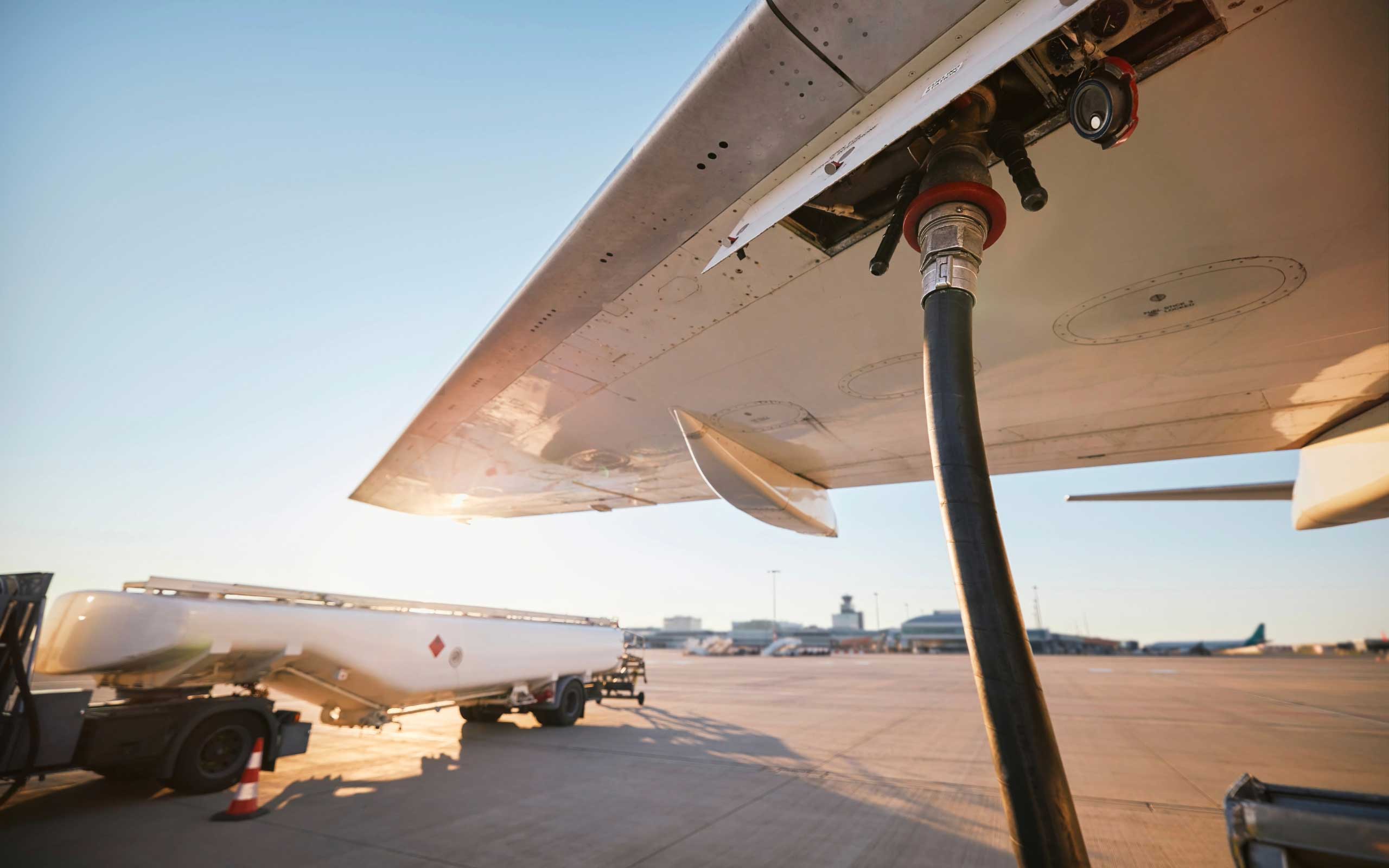
Airports are turning into parking lots. You’ve seen the headlines, but the reality on the ground is messier than a simple supply chain hiccup. When aviation fuel runs dry, the entire global economy feels the friction. It isn't just about a delayed vacation to the Mediterranean or a missed business meeting in Dubai. It’s about a fragile logistics network that’s currently screaming for help.
The aviation industry operates on razor-thin margins and even thinner scheduling gaps. When a major hub runs low on Jet A-1, the domino effect is instant. Planes can't take off, crews time out, and thousands of passengers end up sleeping on terminal floors. We aren't looking at a hypothetical problem anymore. This is happening right now in major markets, and if you're planning to fly soon, you need to know why the pumps are staying empty.
The Logistics Nightmare Behind Dry Fuel Tanks
Refining oil into jet fuel is only half the battle. Getting it to the wing of a Boeing 787 is where the system usually breaks down. Most people think fuel just "exists" at the airport. It doesn't. It moves through a complex web of pipelines, barges, and tanker trucks that are all currently facing their own individual crises.
Labor shortages in the trucking sector have left fuel sitting at coastal terminals with no way to reach inland airports. In regions like Southeast Asia and parts of Africa, the infrastructure is even more precarious. A single pump failure or a week of bad weather at a sea port can freeze operations for days. I’ve seen cases where airlines have to "tanker" fuel—carrying extra weight from their departure point just so they don't have to refuel at a shortage-stricken destination. It’s expensive, it’s bad for the environment, and it’s a sign of a desperate industry.
Supply chain experts point to a lack of investment in midstream infrastructure over the last decade. We spent billions on fancy new terminals and biometric gates, but we forgot the plumbing. Now, we’re paying for it. If a pipeline goes offline for maintenance, there's often no "Plan B" that can handle the volume required by modern air traffic.
Why Refineries Are Ignoring Jet Fuel
Economics is the silent killer here. Refineries don't just make jet fuel; they make diesel, gasoline, and heating oil from the same barrel of crude. During the height of the pandemic, jet fuel demand cratered. Refiners shifted their setups to produce more diesel to keep up with the boom in home deliveries and trucking.
Now that travel has roared back, switching those refinery configurations back to jet fuel isn't like flipping a light switch. It takes time, money, and a belief that the demand will stay high. Many refiners are hesitant. They're looking at the push for "Green" energy and wondering if investing millions into Jet A-1 production is a smart move long-term.
Diesel prices remain high, and for a refinery manager, diesel is a safer bet. It powers the ships and trucks that move everything. Jet fuel is seen as a luxury by comparison. This creates a supply squeeze where even if crude oil is plentiful, the specific refined product airlines need is nowhere to be found.
The Regional Hotspots You Should Watch
Shortages aren't hitting everyone equally. Some spots are much riskier for travelers right now. If you're flying through these areas, your risk of a fuel-related cancellation skyrockets.
- Sub-Saharan Africa: Nigeria and South Africa have struggled repeatedly with jet fuel consistency. High import costs and currency fluctuations make it hard for local suppliers to maintain stocks.
- The Caribbean: Small island nations depend entirely on shipments. A single storm or a delayed tanker can ground every flight leaving the island for 48 hours.
- Regional US Airports: While big hubs like O'Hare or Heathrow have massive reserves, smaller regional airports in the American West are often at the end of very long, very thin supply lines.
When these shortages hit, airlines don't just delay flights. They cancel them. They have to. You can't fly a plane on "E," and the FAA—or any global equivalent—isn't going to let a pilot take off without a healthy reserve for diversions.
Rising Costs and the End of Cheap Tickets
Fuel is the single largest expense for any airline, typically accounting for 25% to 35% of operating costs. When supply is low, the price goes up. Basic math tells you that you’re the one who ends up covering that gap.
We're seeing "fuel surcharges" creep back onto tickets in a big way. These aren't just small fees; they can sometimes double the base fare of a long-haul flight. Airlines use hedging to lock in prices months in advance, but those hedges eventually expire. If the market price stays high because of a shortage, the airline has to raise fares or go bust.
Small, low-cost carriers are the most vulnerable. They don't have the cash reserves to weather a sustained fuel crisis. If you see a deal that looks too good to be true during a fuel shortage, be careful. That airline might be one bad week away from suspending operations.
Environmental Regulations Are Complicating the Mix
The push for Sustainable Aviation Fuel (SAF) is great for the planet, but it’s adding a layer of complexity to the current shortage. Governments are mandating certain percentages of SAF blend, but the production of these biofuels is still in its infancy.
We’re in an awkward middle ground. We’re disincentivizing traditional fossil fuel investment while the "green" alternatives aren't yet ready to scale. This creates a gap in the market where total available fuel drops. It's a noble goal with a very messy transition period.
Most travelers don't care what's in the tank as long as the plane moves. However, as more airports shift their logistics to accommodate SAF, the traditional supply lines for standard jet fuel are being squeezed even further. It’s a bottleneck that isn't going away anytime soon.
How to Protect Your Trip From Fuel Chaos
You can't control the global oil market, but you can stop being a victim of it. If you're booking travel in 2026, you have to change your strategy.
First, stop booking the last flight of the day. If a fuel shortage causes a delay or cancellation, the passengers on the morning flights get the few remaining seats on the next available plane. If you're on the 10 PM flight and it gets scrapped, you're looking at a long night on a plastic chair.
Second, stick to major hubs. Massive airports like Dubai, Singapore, or Atlanta have high-priority fuel contracts and massive on-site storage. They are the last places to run dry. If you're flying through a tiny municipal airport, you're at the mercy of a single truck driver showing up on time.
Third, check the news for the specific region you're visiting a week before you leave. Fuel crises usually give off warning signs—local news reports of "supply issues" or airlines announcing "technical stops" to refuel in a different city. If you see those signs, get on the phone with your airline immediately and see if you can reroute through a more stable hub.
Finally, buy travel insurance that specifically covers "carrier default" or "unforeseen labor and supply issues." Many basic policies won't pay out if the airline claims the delay was an "Act of God" or outside their control. Read the fine print. You want a policy that gives you cash back if you're stuck for more than six hours.
The era of effortless, cheap, and reliable air travel is hitting a wall. The fuel shortage is a symptom of a world that’s outgrown its infrastructure. Don't expect it to fix itself by next summer. Plan for the delay, pack an extra battery for your phone, and always have a backup plan.
Check your flight status now. If your airline is already flagging "operational challenges," don't wait for the cancellation email to arrive. Start looking at alternative routes through bigger hubs today.