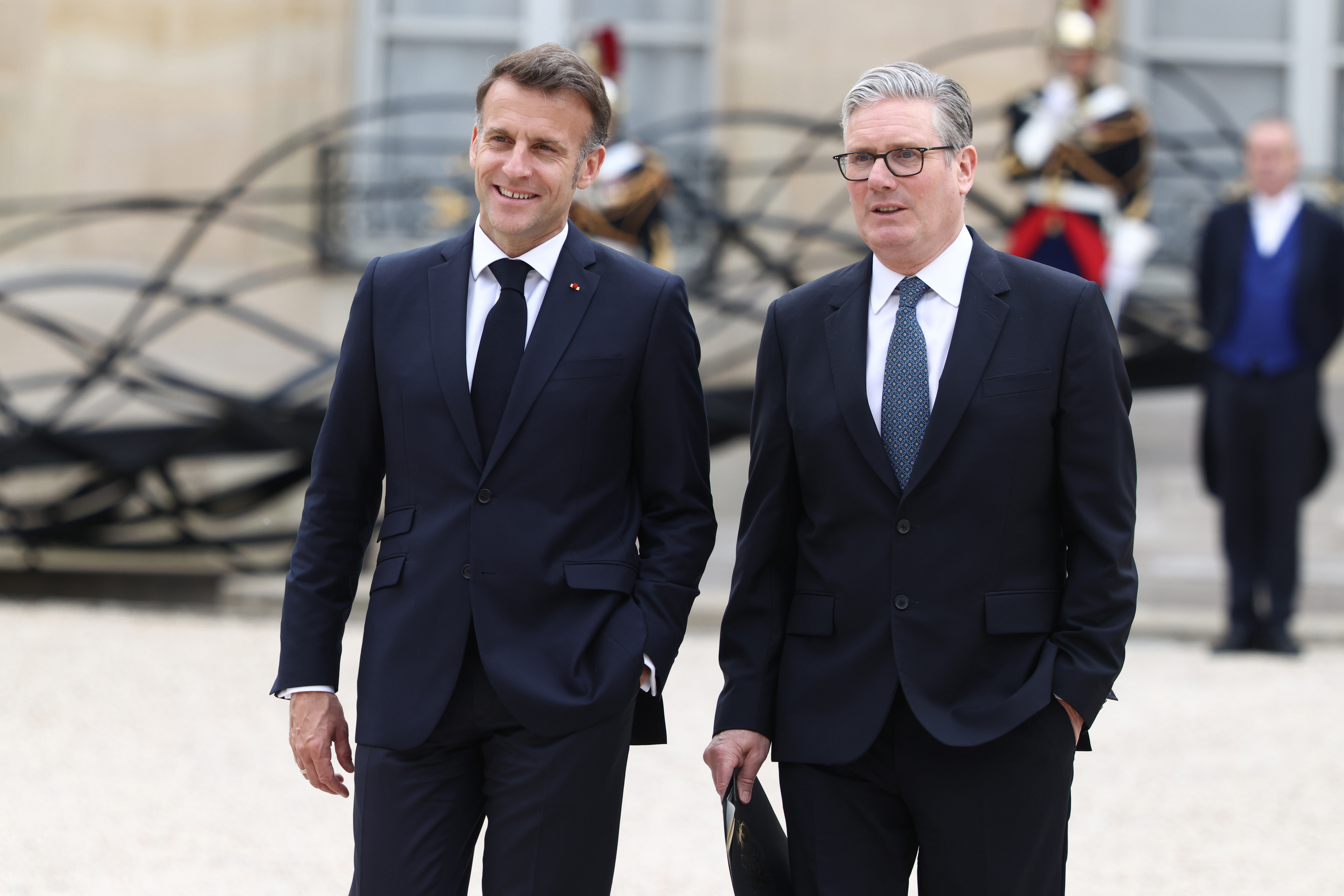
The world’s most vital energy artery is currently under a chokehold, and Australia isn't about to sit on the sidelines while the global economy gasps for air. Prime Minister Anthony Albanese just signaled that Australia "stands ready" to support a new multinational security mission in the Strait of Hormuz. This comes immediately after French President Emmanuel Macron and British PM Keir Starmer pledged to lead a "purely defensive" force to reopen the waterway.
If you've looked at your local petrol station prices lately, you know exactly why this matters. We're currently staring down a massive fuel crisis triggered by the conflict in West Asia. When the Strait of Hormuz closes, the world stops moving. Australia, despite being a major energy exporter in some sectors, is incredibly vulnerable to liquid fuel disruptions. By backing the Macron-Starmer plan, the Albanese government is trying to secure our own economic survival as much as global maritime law.
The mission to break the Hormuz blockade
This isn't just another vague diplomatic "partnership." Macron and Starmer are putting together a specific, coordinated plan to restore freedom of navigation. They've spent the last week in Paris hammered out the details of what they’re calling an independent, multilateral mission. The goal? Clear the mines, deter drone attacks, and get the tankers moving again.
Australia’s involvement is a massive shift in gear. While Albanese has been busy at home dealing with fuel excise cuts and emergency supply powers in Western Australia, the international pressure to act has reached a boiling point. The PM's "stands ready" comment is the clearest signal yet that Australian naval assets—or at least significant logistical support—could be heading to the Middle East.
Critics will say we’re overextending. They’ll argue that we should focus on our own backyard, especially with the Indo-Pacific tensions simmering. But honestly, you can't separate the two. A collapse in global trade through the Strait of Hormuz would gut the Australian economy faster than any regional skirmish. We’re part of a global supply chain, and when the link breaks in the Middle East, the lights go out in Sydney and Melbourne.
Why the defensive label is a tactical choice
Macron and Starmer have been very careful to call this mission "defensive." That’s not just PR fluff. It's a calculated move to avoid a direct, all-out war with Iran while still asserting control over the shipping lanes. By framing it as a protection mission for commercial vessels rather than an offensive strike force, they're trying to keep the door open for diplomacy—even as they prepare for the worst.
Australia's "ready" stance aligns perfectly with this. Albanese mentioned during his recent visit to Malaysia that diplomatic efforts are the priority, but the "continuity of global trade routes" is non-negotiable. It's a classic "speak softly and carry a big stick" approach. We want peace, but we aren't going to let the global energy market be held hostage while we wait for it.
What Australia actually brings to the table
What does "standing ready" look like in practice? It’s unlikely we’re sending a whole fleet, but Australia’s niche expertise in maritime surveillance and mine counter-measures is exactly what a mission like this needs. We’ve got the tech and the personnel who know how to operate in these high-stakes environments.
- Maritime Patrol: Our P-8A Poseidon aircraft are world-class at tracking surface and sub-surface threats.
- Logistical Support: We’ve already got a footprint in the region that can be scaled up quickly.
- Diplomatic Weight: Having a major Indo-Pacific power join a European-led mission gives the whole operation more international legitimacy.
Navigating the domestic fuel crisis
Let’s be real for a second. Albanese’s readiness to join an overseas mission is also a political necessity. At home, the government is fighting a war against inflation and a looming recession. The recent fuel excise cuts provided a temporary band-aid, but they won't fix a structural shortage of oil.
The government knows that if they don't help solve the Hormuz problem, the "uncertain times" Albanese warned about in his address to the nation will become a permanent reality. We're seeing traffic numbers drop on Sydney roads and small businesses struggling to keep their delivery vans running. This isn't just about foreign policy; it's about the cost of a liter of 95-unleaded.
The opposition has been hammering the government for a lack of "leadership and clarity" on fuel security. By stepping up onto the global stage alongside the UK and France, Albanese is trying to prove that he’s taking the "do everything we can" pledge seriously. It's a high-stakes gamble. If the mission fails or escalates, he’ll be blamed for dragging us into another Middle Eastern conflict. If he does nothing, the economy stays in the freezer.
The strategic shift toward Europe
It’s also worth noting how much Australia is leaning into European security lately. Just a few weeks ago, we signed a massive Security and Defence Partnership with the EU. We’re seeing a pattern where Australia isn't just relying on the US for security. We're diversifying our alliances.
Working with Macron and Starmer is a smart move. It shows that Australia is a "like-minded" partner that can operate independently of the US when the situation calls for it. With the US-Israel-Iran dynamic becoming increasingly volatile, having a European-led "defensive" option gives Australia a way to contribute without necessarily getting sucked into the more aggressive US-led blockade strategies.
Don't expect a formal deployment announcement tomorrow. These things take time to coordinate, and the "security conditions" need to allow for a safe entry. But the message is sent. Australia is no longer just watching the news; we're part of the response.
Keep an eye on the upcoming budget. If you see a spike in "operational funding" for the Department of Defence, you’ll know the ships are already being prepped. The era of cheap, easy energy is over, and we're entering a phase where we have to physically secure the routes that keep the country running. It’s a messy, expensive reality, but it’s the only one we’ve got.
If you’re a business owner or just someone worried about the cost of living, start looking at your energy resilience now. Don't wait for the Strait to "officially" open. The volatility is the new normal. Check your supply chains, look at fuel efficiency, and stay informed on these maritime movements. They’re going to dictate your overheads for the next eighteen months.