We’re finally seeing the "hard down" on the pad. On March 20, 2026, the towering 322-foot Space Launch System (SLS) rocket finished its ten-hour crawl to Launch Complex 39B at Kennedy Space Center. It’s a massive win for NASA after a string of frustrating delays involving helium check valves and battery swaps that pushed the mission from February into the spring. But while the rocket is soaking up the Florida sun, the four people who have to actually ride it are stuck inside.
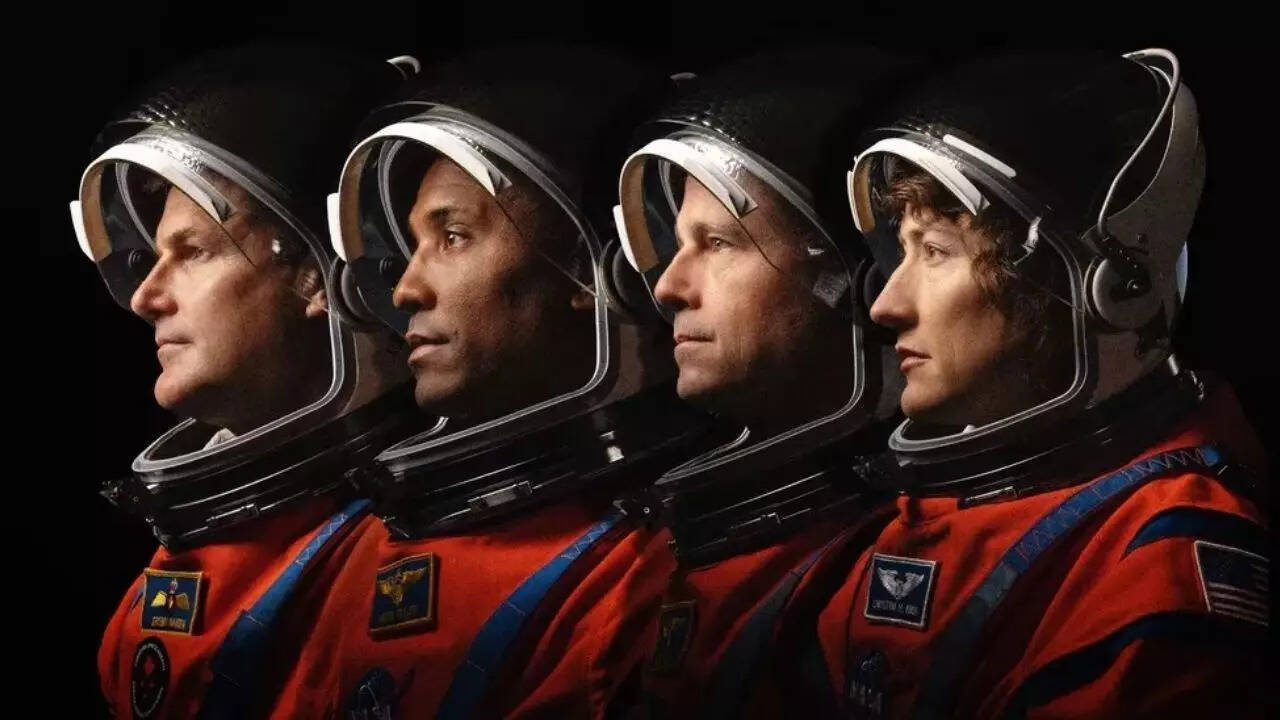
Reid Wiseman, Victor Glover, Christina Koch, and Jeremy Hansen officially entered their pre-flight health stabilization period on March 18. If you think this is just a standard "stay at home if you're sick" policy, you're mistaken. This is a high-stakes medical lockdown designed to ensure that 53 years of waiting doesn't get derailed by a common cold.
The Brutal Reality of the Health Stabilization Program
NASA calls it the Health Stabilization Program (HSP), but for the crew, it’s a two-week bubble of controlled interactions. They’re currently at Johnson Space Center in Houston, where they’ll stay for about a week before heading to the crew quarters at Kennedy Space Center for the final stretch.
Why the drama? Because the Orion capsule—aptly named Integrity—is about the size of a small studio apartment. Imagine being trapped in a tiny, pressurized tin can for ten days with three other people while dealing with the physical stress of 4g launches and microgravity. Now imagine doing that while one of your crewmates is hacking up a lung or dealing with a stomach bug.
It isn’t just about comfort; it’s about mission success. An ill astronaut has slower reaction times and impaired judgment. In a mission where you’re testing the life support systems of a new spacecraft for the first time, you can’t afford a foggy brain.
What Life Inside the Bubble Looks Like
The quarantine isn't solitary confinement, but it’s close enough to feel like it. The crew can see family and essential staff, but only if those people are part of "Group A." These are individuals who have been screened, vaccinated, and have essentially entered their own mini-quarantines. If you want to talk to Reid Wiseman right now, you’re doing it through a screen or from behind a mask at a significant distance.
The daily routine is a strange mix of high-intensity prep and forced boredom:
- Morning Simulations: They’re still running software checks and procedure reviews to keep their muscle memory sharp.
- Medical Oversight: Flight surgeons are poking and prodding them daily. They test for everything from basic viral loads to metabolic readiness.
- The "Wait and See" Game: This is actually the crew’s third time entering quarantine for this mission. The previous two attempts were scrapped when the SLS had to roll back to the Vehicle Assembly Building for repairs. That kind of stop-and-start takes a mental toll.
Breaking Records and Slingshotting Around the Moon
When they finally lift off—currently targeted for April 1, 2026—they’re going to blow past the records set during the Apollo era. Artemis II isn't a landing mission; it’s a high-speed lunar flyby.
The crew will use a hybrid free-return trajectory. Basically, they’ll use the Moon’s gravity as a giant slingshot to whip them back toward Earth. At the peak of their orbit, they’ll be roughly 250,000 miles away from home. That’s about 2,000 miles further than the crew of Apollo 13 ever got.
While they’re out there, they aren't just looking at the view. This is a stress test for the Orion’s life support. It’s the first time the system will have to scrub $CO_2$ and manage heat for four active human bodies in deep space. They’ll also be testing a new optical laser communication system, which should allow them to send 4K video back to Earth at 260 megabits per second. It’s a huge leap from the grainy, flickering footage of the 1960s.
Why This Mission Still Matters in 2026
I’ve heard people argue that we’ve "already been there." That’s a fundamental misunderstanding of what Artemis II represents. Apollo was a sprint to prove we could do it. Artemis is about building a permanent presence.
This mission is the final gateway. If Wiseman, Glover, Koch, and Hansen return safely after their ten-day loop, the "Go" for Artemis III—the actual lunar landing—becomes a matter of when, not if. We're looking at a 2027 landing if everything goes perfectly here.
The hardware on the pad right now is the most powerful rocket ever built. The SLS generates 8.8 million pounds of thrust. To put that in perspective, that’s about 15% more power than the Saturn V. It’s a beast of a machine, and it’s finally ready to do its job.
What Happens if the Launch Slips Again
Spaceflight is 99% waiting and 1% sheer terror. If the April 1 window closes due to weather or another technical gremlin, the crew stays in the bubble. If the delay is short (a few days), the quarantine continues uninterrupted. If it stretches into weeks, NASA might "reset" the clock, letting the astronauts go home briefly before starting the 14-day isolation all over again.
It’s an exhausting cycle, but as Canadian mission specialist Jeremy Hansen has noted in interviews, they’ve been training for years. A few more days in a hotel room in Florida is a small price to pay for a seat on a history-making flight.
The rocket is on the pad. The crew is in the bubble. All that’s left is the countdown.
Keep an eye on the NASA live stream for the final Flight Readiness Review updates. If the weather holds and the helium valves behave, we’re less than two weeks away from seeing humans leave Earth's orbit for the first time in over half a century.