The Price of a Fever
The market in Beni does not stop for a virus. It slows, it breathes heavily, it bleeds value, but it does not stop.
Consider Alphonse. He is not a statistic, though before this year is over, economists in Geneva will try to turn him into one. Alphonse sells charcoal. It is a brutal, backbreaking trade that involves hauling heavy sacks of charred wood from the hills of the eastern Democratic Republic of Congo into the city centers. On a good day, before the sickness returned, his efforts brought in just enough francs to buy cassava flour, a bit of salted fish, and the medicine his youngest daughter needs for her recurring malaria. If you found value in this piece, you should check out: this related article.
Then came the heat in the blood.
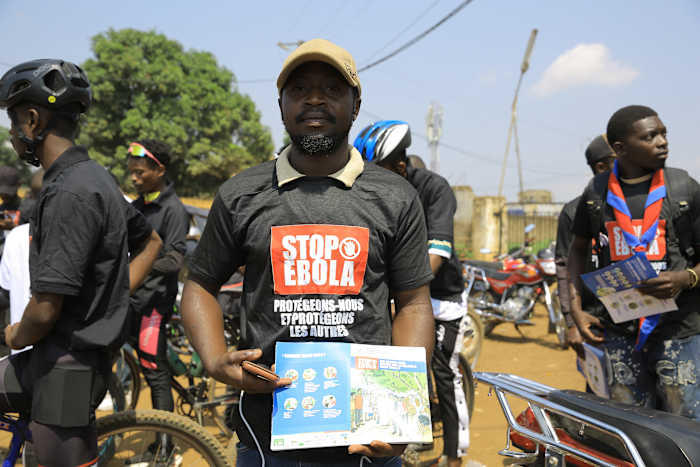
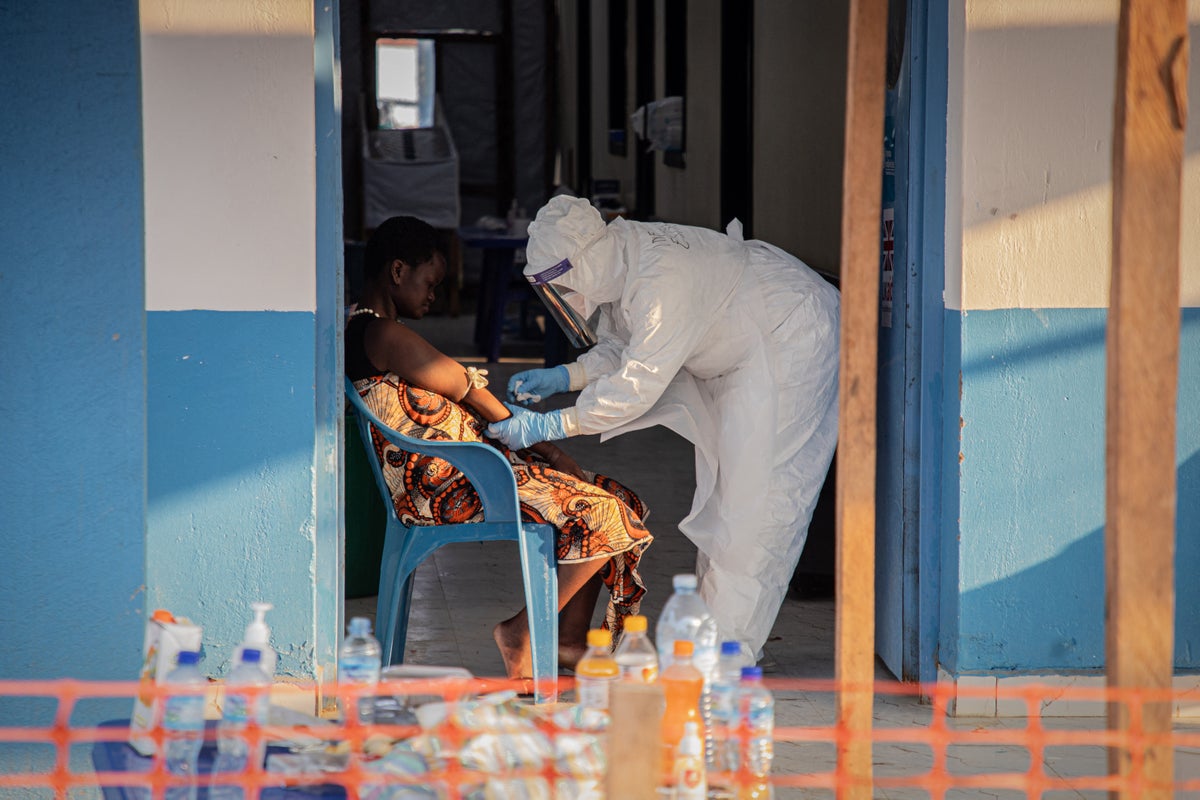
When Ebola strikes a community, the immediate terror is biological. It is the horrific progression of symptoms, the isolation wards, the white hazmat suits that look like apparitions against the red dirt of North Kivu. But the secondary infection is economic, and it lingers long after the virus has been bleached from the clinic floors. For another look on this event, see the latest coverage from WebMD.
Alphonse did not catch Ebola. His family stayed healthy. Yet, the virus broke him anyway.
When the outbreak flared, checkpoints materialized overnight. The roads to the hills grew quiet. Buyers vanished. The price of charcoal plummeted because no one had the coin to spare, while the price of basic food skyrocketed because supply lines were choked by quarantine protocols. In a matter of weeks, Alphonse’s daily income dropped by seventy percent.
He was forced into a choice that millions face on the razor-edge of subsistence. Do you buy food for today, or do you save money for the medicine that keeps your child alive tomorrow?
This is how an epidemic operates when it moves beyond the human body. It acts as an economic multiplier of the cruelest kind. The World Bank and local health authorities estimate that the current economic shockwave of the outbreak risks pushing an additional one million people into extreme poverty across the region. One million souls. One million variations of Alphonse’s choice.
The Invisible Quarantine
We tend to view medical emergencies through a cinematic lens. We see sirens, flashing lights, and desperate interventions. What we miss is the quiet suffocating of a local economy.
An outbreak functions like an invisible wall. It isolates communities not just from medical help, but from the very networks of trade that keep them afloat. In the eastern DRC, a region already bruised by decades of conflict and instability, the margin for survival is microscopic. Most people live hand-to-mouth. There are no savings accounts, no corporate safety nets, no government stimulus checks.
When a village is flagged for contact tracing, everything freezes.
- The motorcycle taxi drivers lose their passengers because people are terrified to sit close to a stranger.
- The women who cultivate small plots of sweet potatoes cannot travel to the larger regional markets to sell their harvest. The crop rots in the soil.
- Small shops close their wooden shutters because the owners cannot afford to restock inventory from suppliers who refuse to drive through the containment zones.
The fear of the disease becomes as economically paralyzing as the disease itself. It creates a paradox where the measures required to save lives—restricting movement, closing public spaces, isolating the sick—are the exact measures that destroy livelihoods.
The numbers are staggering, but they fail to capture the texture of the ruin. To say that a province's GDP will contract by a certain percentage point feels clean. It feels manageable. It can be charted on a slide deck in a climate-controlled boardroom. But on the ground, that contraction looks like a mother watering down the evening porridge so it stretches across four bowls instead of two. It looks like a teenager dropping out of school because the tuition fees have suddenly become an impossible luxury.
The Anatomy of the Collapse
To understand why this outbreak is so devastating to the financial fabric of the country, one must look at the structural fragility of the region. The eastern DRC should be wealthy. The earth beneath its forests is rich with gold, coltan, and cobalt. But that wealth has rarely trickled down to the people who walk those dirt roads. Instead, the local population relies heavily on informal agriculture and small-scale cross-border trade with neighboring Uganda and Rwanda.
When Ebola emerges, cross-border trade dries up.
Border officials tighten regulations. Health screenings create massive bottlenecks that stretch for kilometers. Perishable goods—tomatoes, milk, meat—spoil in the heat while trucks wait for clearance. For a small trader who invested their entire life savings into a single truckload of produce, a three-day delay at a border post is not an inconvenience. It is bankruptcy.
Consider what happens next:
The trader defaults on the informal loan they took from a local moneylender. The moneylender, facing a loss, stops extending credit to the neighborhood farmers. The farmers can no longer buy seeds or fertilizer for the next planting season. The ripple effect moves outward, touching people who have never even seen a case of Ebola, destroying their future security with the mathematical certainty of a falling row of dominoes.
The international community often responds to these crises by sending medical aid. This is vital. Without doctors, epidemiologists, and vaccines, the virus would run rampant. But shipping in laboratory equipment does nothing to fix a broken supply chain. It does nothing to replace the capital lost by a farmer whose crops withered while he was stuck behind a health checkpoint.
The Long Decay
The true danger of the current situation is that poverty is not a temporary state that ends when the World Health Organization declares the outbreak over. Poverty has a terrifying inertia.
Once a family sells their tools or their livestock to survive a three-month economic freeze, they cannot simply resume production when the freeze lifts. They have liquidated their assets. They have burnt their seeds. They are starting from less than zero, often burdened with debts that carry usurious interest rates.
This is the deeper tragedy that the headlines miss. A million people falling into poverty means a generation of children whose physical development will be stunted by malnutrition. It means a spike in preventable deaths from measles, cholera, and malaria because families can no longer afford a three-dollar clinic visit. It means a massive regression in the hard-fought gains made in literacy and education over the past decade.
The virus leaves the body, but the poverty settles into the bones.
We must change how we calculate the cost of an epidemic. The true tally is not just the number of infections and the body count in the treatment centers. The true tally must include the shopkeepers who lost their storefronts, the farmers who lost their land, and the children whose futures were traded for a few extra loaves of bread during the dark months of the quarantine.
Alphonse still walks the road to Beni. His sacks of charcoal are just as heavy as they were last winter, but the world he carries them into has grown smaller, colder, and far more precarious. He does not ask for charity. He asks for a market that functions, for roads that remain open, and for a recognition that his survival depends as much on economic resilience as it does on a medical cure. Until global health strategies integrate economic life support into their pandemic responses, the end of a medical crisis will continue to mark the beginning of a humanitarian disaster.