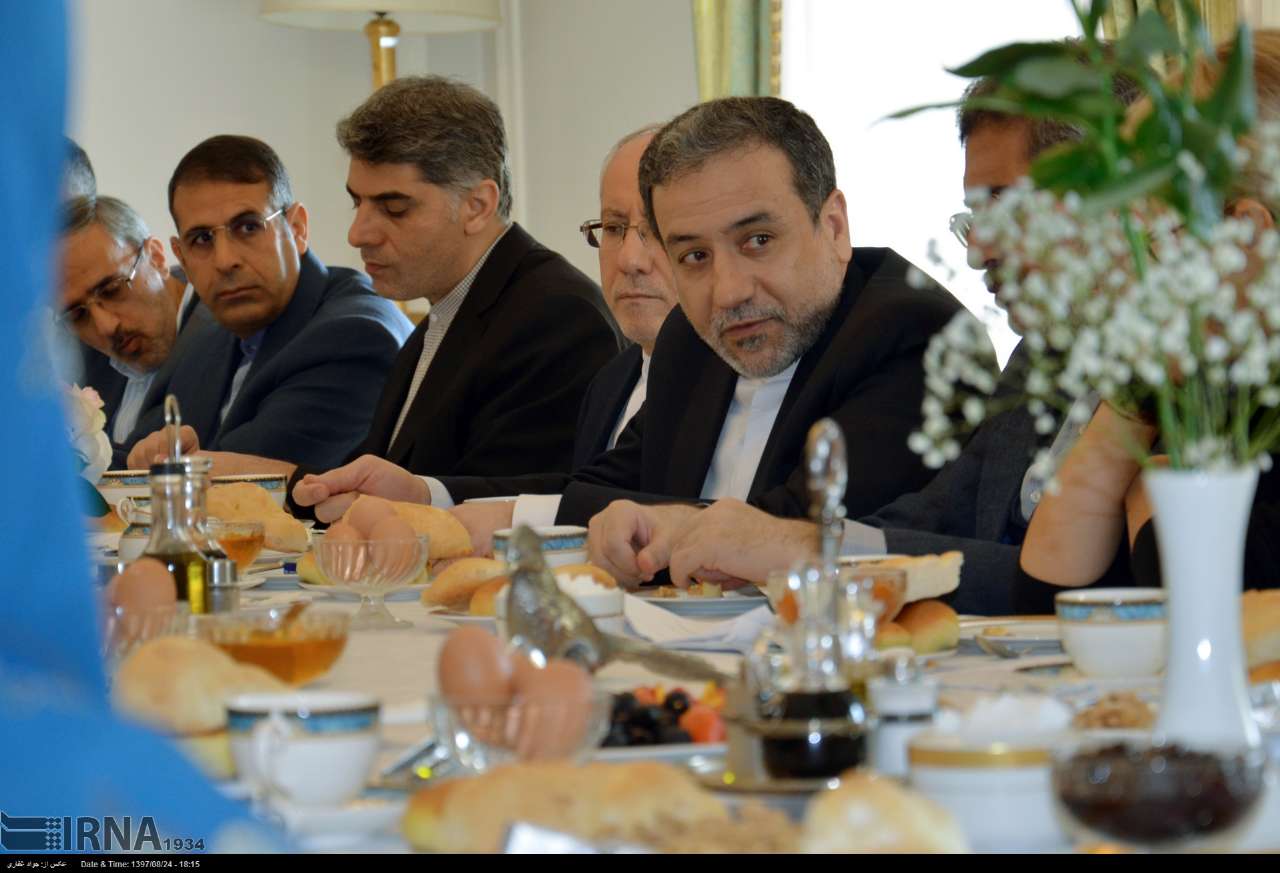
If you’ve been watching the headlines lately, you know the vibe around US-Iran relations has shifted from "cautious optimism" to "total disaster" faster than a failed tech IPO. Iranian Foreign Minister Abbas Araghchi is currently on a frantic tour from Muscat to Islamabad and now Moscow, trying to save a peace process that looks dead on arrival.
Honestly, it’s a mess.
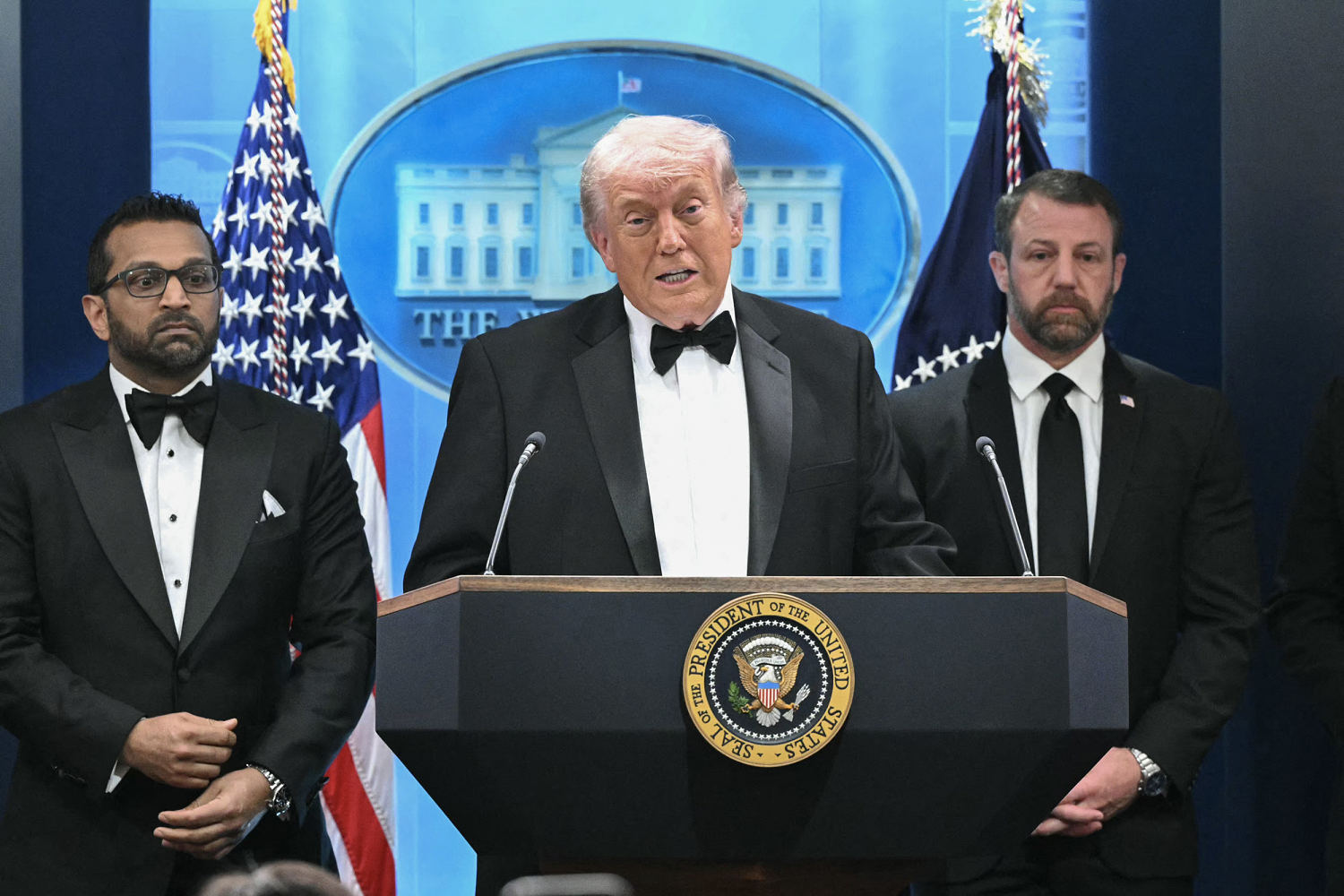
The immediate hope for a breakthrough was high when the two-week ceasefire was announced in early April 2026. Everyone wanted to believe that direct talks in Islamabad would finally end the shadow war. But today, the reality is much grimmer. President Donald Trump just pulled the plug on sending his top envoys, Steve Witkoff and Jared Kushner, to Pakistan. His reasoning? It’s too expensive and taking too much time.
That’s a classic Trump move, but it leaves Araghchi holding a diplomatic bag that’s rapidly losing its value.
The Araghchi Hustle Meets a Brick Wall
Abbas Araghchi isn't new to this. He’s a career diplomat who knows how to play the long game. But right now, he's playing with a weak hand. Iran's economy is buckling under a naval blockade, and the internal political structure in Tehran is fractured after the strikes that took out the Supreme Leader back in February.
Araghchi’s current "diplomatic push" is basically a desperate search for a middleman who can convince Washington to blink. He’s offering a "three-step plan" that sounds good on paper:
- Reopening the Strait of Hormuz.
- A temporary freeze on nuclear enrichment.
- Lifting specific energy sanctions.
The problem? The US isn't interested in half-measures anymore. The White House is demanding "zero enrichment" and a total dismantling of Iran's ballistic missile program. Araghchi calls these "excessive demands," and he’s not entirely wrong from a sovereign perspective. But when your oil terminals at Kharg Island are under threat and your "shadow fleet" is being intercepted by the US Navy, you don't have much leverage.
Why the Islamabad Talks Failed
The failure of the Islamabad round is the real turning point. Pakistan tried to play the hero, but the gap between the two sides is a canyon.
Iran wanted a "sequenced" deal where they get sanctions relief first. The US wanted the nuclear material removed from Iranian soil before even discussing the economy. When Araghchi arrived in Islamabad on April 24, he brought a list of demands that the US delegation essentially laughed at.
By April 25, Trump tweeted that the talks were a waste of time. He’s banking on the idea that "maximalist pressure" will eventually force a total surrender. Araghchi, meanwhile, is trying to pivot to Russia to show that Tehran still has friends. But let’s be real: Putin has his own problems and isn't going to bail out Iran’s economy.
The Strait of Hormuz Leverage is Vanishing
For years, Iran’s biggest threat was closing the Strait of Hormuz. It’s the world’s most critical oil chokepoint. In early April, they actually did it, or at least tried to. The global economy felt the sting immediately—oil prices spiked, and gas shortages started hitting parts of Asia.
Araghchi is now trying to use the reopening of the Strait as a bargaining chip.
- The Iranian Offer: We’ll let the tankers through if you stop the blockade on our oil.
- The US Counter: We’ll stop the blockade when you stop the nuclear program.
It’s a stalemate that favors the side with more money. Right now, that’s not Iran. The US naval blockade is working. Iran's oil storage capacity is hitting its limit because they can’t sell the stuff fast enough. When Araghchi told the press that the Strait was "completely open" on April 17, the IRGC (Revolutionary Guard) immediately contradicted him by attacking a Togo-flagged tanker.
That disconnect between the diplomats and the military guys in Tehran makes Araghchi look like he doesn't have the authority to actually make a deal. If the Foreign Minister says one thing and the IRGC does another, why would Washington bother talking to him?
What Most People Get Wrong About the Peace Hopes
The biggest misconception is that this is just about "peace." It's not. It's about a fundamental shift in the Middle East power structure.
The US and Israel aren't just looking for a ceasefire; they're looking for a total reset. They see the current Iranian government as vulnerable. The strikes in February didn't just hit buildings; they hit the heart of the regime's decision-making.
Araghchi is trying to sell a return to the status quo with some minor tweaks. But the "status quo" died when the first missiles hit Tehran. You can’t go back to the JCPOA (the 2015 nuclear deal) when the people who signed it are either gone or out of power.
The Russian Factor
Araghchi’s trip to meet Putin in Moscow today is a Hail Mary. He’s looking for:
- Financial backing to bypass US sanctions.
- Advanced air defense systems (S-400s or better) to stop the next round of strikes.
- A seat at a new diplomatic table that doesn't involve the US.
But Russia’s support is mostly rhetorical. Putin likes having Iran as a thorn in Washington’s side, but he isn't going to start a wider war to protect Iranian nuclear reactors. Araghchi will likely leave Moscow with some nice photos and a lot of vague promises, but no real cash.
Why the Outlook is So Bleak
Peace hopes are fading because there’s no "win-win" scenario left.
Trump wants a total victory. He wants the "zero enrichment" deal he’s been talking about since his first term.
Iran's hardliners, led by people like Vahidi, view any concession as a betrayal of the revolution. They’d rather see the country burn than give up the nuclear program.
Araghchi is stuck in the middle. He’s a pragmatist in a room full of extremists. Every time he moves an inch toward a compromise, the IRGC pulls him back. Every time he tries to sound tough to please the hardliners, the US adds more sanctions.
What to Watch for in the Next 48 Hours
Don't expect a sudden peace treaty. Instead, keep your eyes on these specific triggers:
- The Pakistan Mediation: If Pakistan can’t get the delegations back to the table by the end of the week, the two-week ceasefire will officially expire.
- The Energy Infrastructure: Trump has already threatened to hit Kharg Island and desalination plants. If he does, the war moves from "limited strikes" to a full-scale economic collapse for Iran.
- The IAEA Inspectors: If Iran kicks out the remaining inspectors, it's a signal they've given up on diplomacy entirely.
If you're waiting for a "peace in our time" moment, don't hold your breath. Araghchi is running out of fuel, and the road to Washington doesn't go through Moscow or Islamabad anymore. It’s a dead end.
Stop waiting for a diplomatic miracle. The window for a deal is closing, and the next phase of this conflict is likely to be much louder than the last. If you have assets or interests in the region, start planning for a long, hot summer of instability. The diplomatic push hasn't just failed—it's been run off the road.