The Safe Bet is the Riskiest Move in Cupertino
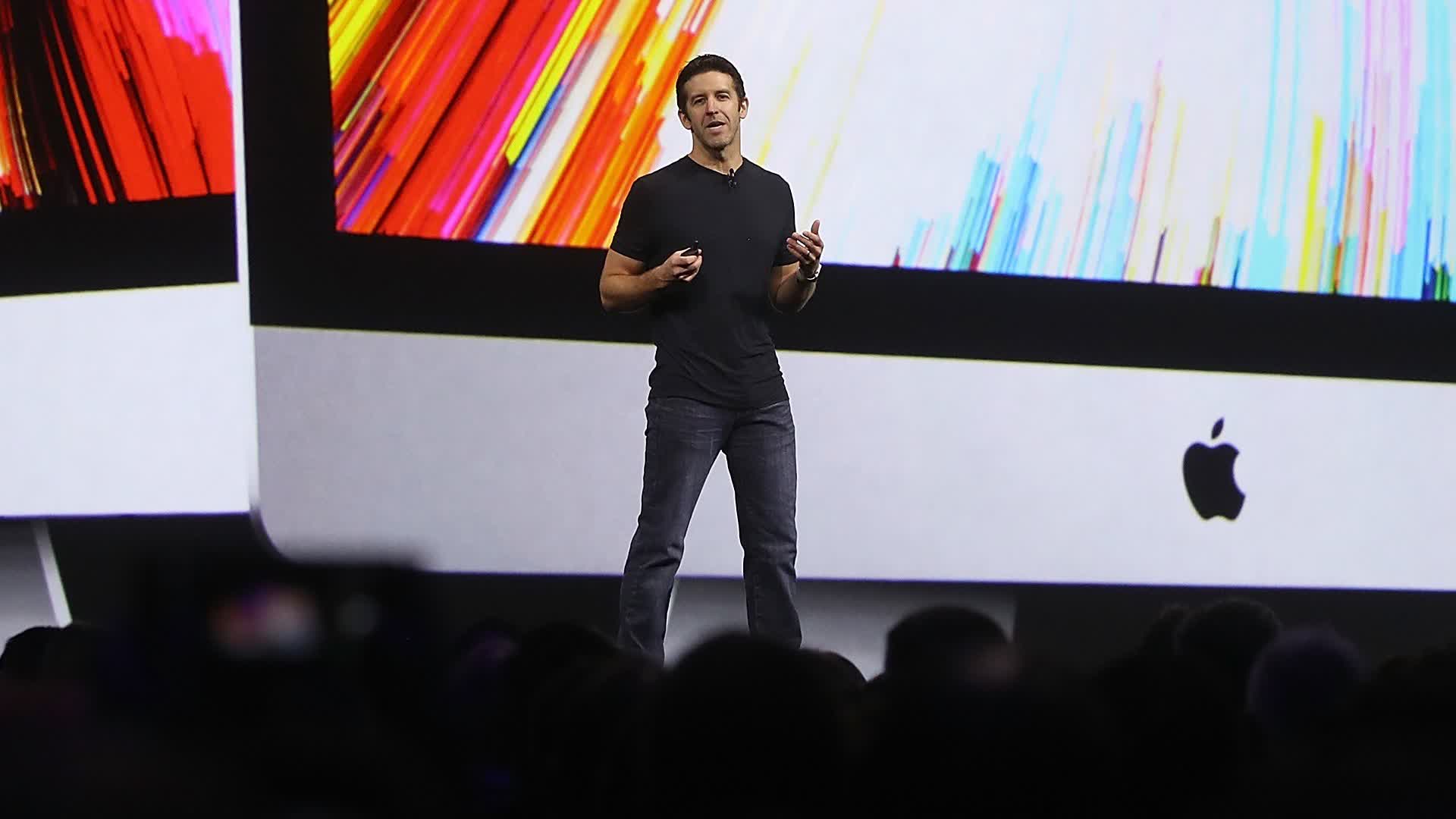
The tech press is currently tripping over itself to laud Apple's "orderly transition." They see John Ternus taking the CEO mantle from Tim Cook as a masterstroke of stability. They see a seasoned insider, a hardware veteran, and a calm hand on the tiller. They are dead wrong.
What the consensus calls stability, I call stagnation. By elevating Ternus, Apple hasn't chosen a leader; it has chosen a curator.
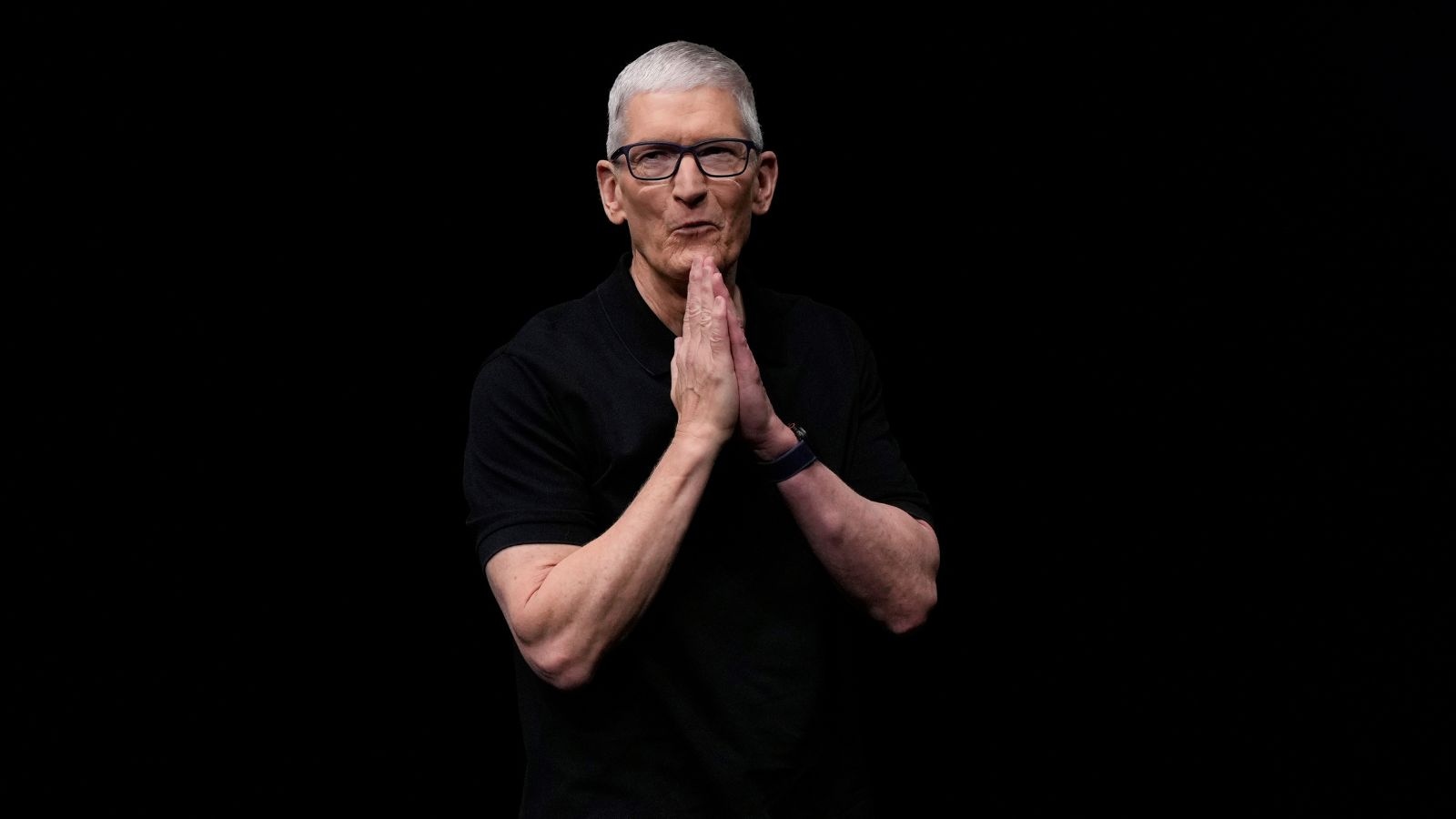
Tim Cook’s greatest achievement wasn't the iPhone—it was the supply chain. He turned Steve Jobs’ boutique innovation lab into a logistical juggernaut that prints money with the efficiency of a central bank. But the "Cook Doctrine" was built on refining existing categories. The Apple Watch, the AirPods, the iterative polishing of the slab-of-glass phone. Ternus is the ultimate disciple of this doctrine.
But Apple doesn't need another operations wizard or a hardware refiner. It needs a wrecking ball.
The Hardware Trap
John Ternus is a hardware guy. He’s the face of the Mac’s transition to silicon. He knows how to make things thin, light, and fast. In 2012, that would have made him a visionary. In 2026, it makes him a technician.
We are entering an era where hardware is becoming secondary to the intelligence layer. While Apple spent the last decade perfecting the chamfered edge and the hinge mechanism of the Vision Pro, the rest of the world shifted toward generative models and agentic workflows. Apple is playing a game of millimeters while the industry is playing a game of neurons.
Promoting the guy who spent his career focused on the physical chassis is a signal that Apple still thinks it’s a hardware company. It isn't. Or at least, it shouldn't be. If Apple remains a hardware-first company, it will eventually become the world’s most expensive commodity manufacturer.
I’ve watched companies like Intel and IBM fall into this exact hole. They promoted the "safe" insiders who understood the current product line perfectly, only to realize the market had moved to a different planet entirely.
The Fallacy of the Insider
The "People Also Ask" sections of the internet are currently flooded with variations of: "Is John Ternus the next Steve Jobs?"
Stop asking that. It’s the wrong question. The real question is: "Does Apple have the guts to kill its darlings?"
An insider like Ternus is emotionally and professionally invested in the status quo. He helped build the current lineup. He’s not going to walk into the boardroom and suggest that the iPhone is a legacy product that needs to be cannibalized before a competitor does it. He’s not going to pivot the company’s R&D budget away from hardware margins and toward the messy, low-margin, high-risk world of open-model development.
Insiders protect the dividend. Outsiders protect the future.
Think about the most successful corporate turnarounds or pivots in history. They rarely come from the person who sat in the office next door for twenty years. Satya Nadella succeeded at Microsoft because, despite being an insider, he functioned as a cultural outsider, systematically dismantling the "Windows-first" dogma that had crippled the company for a decade. Ternus shows no signs of being a secret iconoclast. He is the embodiment of the Apple aesthetic: clean, polished, and predictable.
The Vision Pro Ghost
Let’s talk about the Vision Pro. It is the most "Ternus-era" product Apple has ever made. It is a triumph of hardware engineering and a failure of product-market fit. It is a $3,500 solution looking for a problem.
This is what happens when you let hardware engineers lead the strategy. You get a device that is technically perfect but socially and functionally irrelevant. The consensus view is that Apple just needs to wait for the technology to "catch up" and get smaller.
That is a lie.
The problem with the Vision Pro isn't the weight; it’s the isolation. It’s a philosophical error, not an engineering one. Ternus, by all accounts, was instrumental in this project. His promotion is a doubling down on a direction that suggests Apple is more interested in its own technical prowess than in how people actually live.
The $3 Trillion Weight
Apple’s scale is now its greatest enemy. When you have a $3 trillion market cap, you cannot afford to take risks. A 1% error in judgment costs billions. This creates a culture of "prevent defense."
Ternus is the ultimate prevent defense. He won't lose the game, but he certainly won't throw a Hail Mary.
The danger for Apple isn't a sudden collapse. It’s a slow, dignified slide into irrelevance—the "Microsoft 2000-2010" era. You keep making money, you keep hitting your numbers, but the soul of the industry moves elsewhere. The developers move elsewhere. The excitement moves elsewhere.
If you want to see what actual disruption looks like, look at the companies that don't have an "executive chairman" hovering over the new CEO like a protective parent. Cook becoming chairman ensures that the ghost of the previous administration will haunt every decision Ternus makes. It’s not a handover; it’s an extension of the current regime.
What a Real Leader Would Do
If Apple wanted to shock the system, they wouldn't have picked the guy who looks and sounds exactly like a younger Tim Cook. They would have picked someone who scares the board.
A real disruptive move would have been:
- Acquiring a major AI lab and putting its founder in the C-suite.
- Killing the iPad/Mac distinction entirely to create a unified OS, even if it cannibalized sales.
- Opening the ecosystem to allow for true third-party innovation, turning the iPhone into a platform rather than a gated community.
None of these things will happen under Ternus. He was hired to keep the trains running on time.
The Cost of Competence
There is a specific kind of "executive competence" that is actually a liability during a paradigm shift. Ternus is highly competent. He is arguably the best hardware executive on the planet.
But we are at the end of the hardware cycle.
When the primary interface of the future becomes voice, intent, and ambient intelligence, the ability to design a beautiful titanium frame becomes as useful as the ability to design a better horse-drawn carriage in 1910.
I’ve seen this play out in the automotive industry. The companies that had the best engine designers—the guys who could squeeze 2% more efficiency out of an internal combustion engine—were the ones who struggled most with the transition to electric. Their expertise was their blindfold.
The Bottom Line
Investors love this move because investors hate surprises. They want the dividends to keep flowing and the buybacks to continue. And they will. Apple will remain incredibly profitable for years.
But don't confuse profitability with leadership.
Apple is now a legacy brand. It is the Mercedes-Benz of tech—prestigious, well-engineered, and largely following trends rather than setting them. Ternus is the perfect CEO for a legacy brand. He will polish the silver while the mansion burns.
The era of "Think Different" is officially over. The era of "Execute Similarly" has begun.
Apple just chose a caretaker for its museum. If you’re looking for the future, you won’t find it in Cupertino.