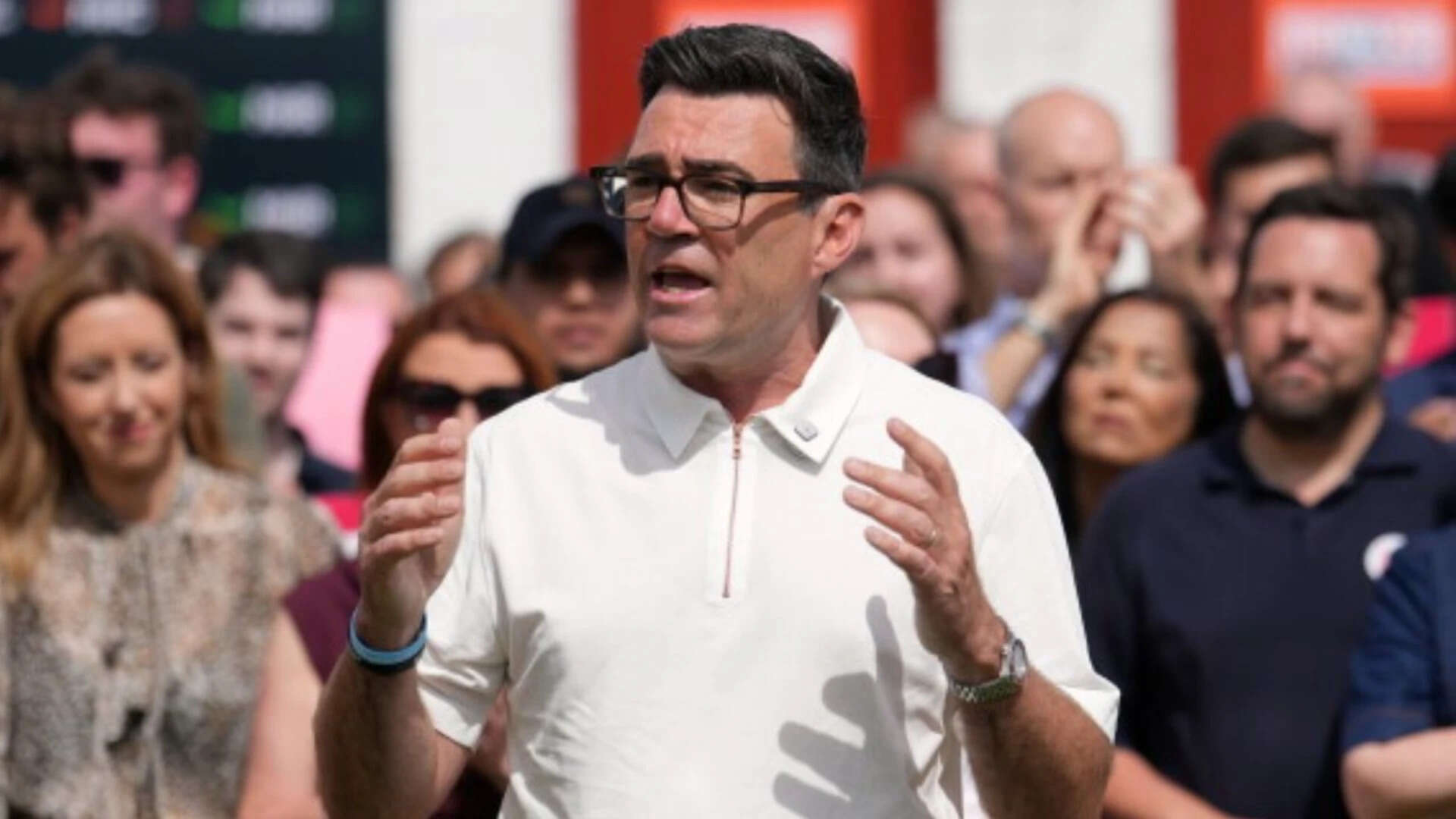
Britain has a new prime minister, and he is changing the playbook on how London handles Washington. Andy Burnham stepped into Number 10 with a clear message: the special relationship doesn't mean playing the yes-man.
When you look at past administrations, the instinct was always to cozy up to the White House immediately, swallowing any disagreements to keep the peace. Burnham is taking a radically different route. Fresh off his phone call with Donald Trump, the new prime minister made it clear that he will openly and publicly disagree with the U.S. president whenever Britain's national interests demand it.
You have to defend your own country before anything else. That is the fundamental job description of any premier, and Burnham is calling out the era of political deference.
Moving Away From the Starmer Playbook
The contrast with his predecessor, Keir Starmer, is stark. Starmer spent months trying to navigate a rocky relationship with Trump, especially over divergent stances on Middle East conflicts and defense funding, often walking a tightrope of diplomatic caution.
Burnham isn't interested in tiptoeing. Defense Secretary Wes Streeting reinforced this exact stance, noting bluntly that the Trump administration isn't looking for allies who just suck up. They want straight talkers. If Washington respects anything, it's a leader who stands their ground rather than one who bends with every political wind.
This pragmatic bluntness is going to define the UK's foreign policy moving forward.
The Core Clashes on the Horizon
Of course, maintaining an independent streak comes with immediate friction points. Trump has already made his views known on the new British leadership, labeling Burnham "extremely liberal" and questioning whether a left-leaning Downing Street will open up North Sea oil drilling.
Then there is the persistent disagreement over defense spending and foreign conflicts. While Downing Street described their initial twenty-minute conversation as warm, the underlying policy gaps haven't vanished. Burnham has inherited an economy in desperate need of stability and a defense budget facing immense pressure to hit the three percent of GDP mark.
Balancing domestic economic revival with transatlantic defense commitments means Burnham cannot afford to be passive.
What This Means for British Politics
By choosing confrontation over quiet compliance, Burnham is trying to project domestic strength. British voters are tired of politicians who look weak on the international stage. Standing up to a dominant figure like Trump plays well at home, signaling that Downing Street answers to voters in Manchester, London, and Glasgow first.
Whether this sharp pivot leads to productive negotiations or unnecessary turbulence remains to be seen. But one thing is certain. The days of quiet acquiescence are over, and Britain's new leader is ready for a scrap if it means protecting national interests.