Ecological Context and System Collapse
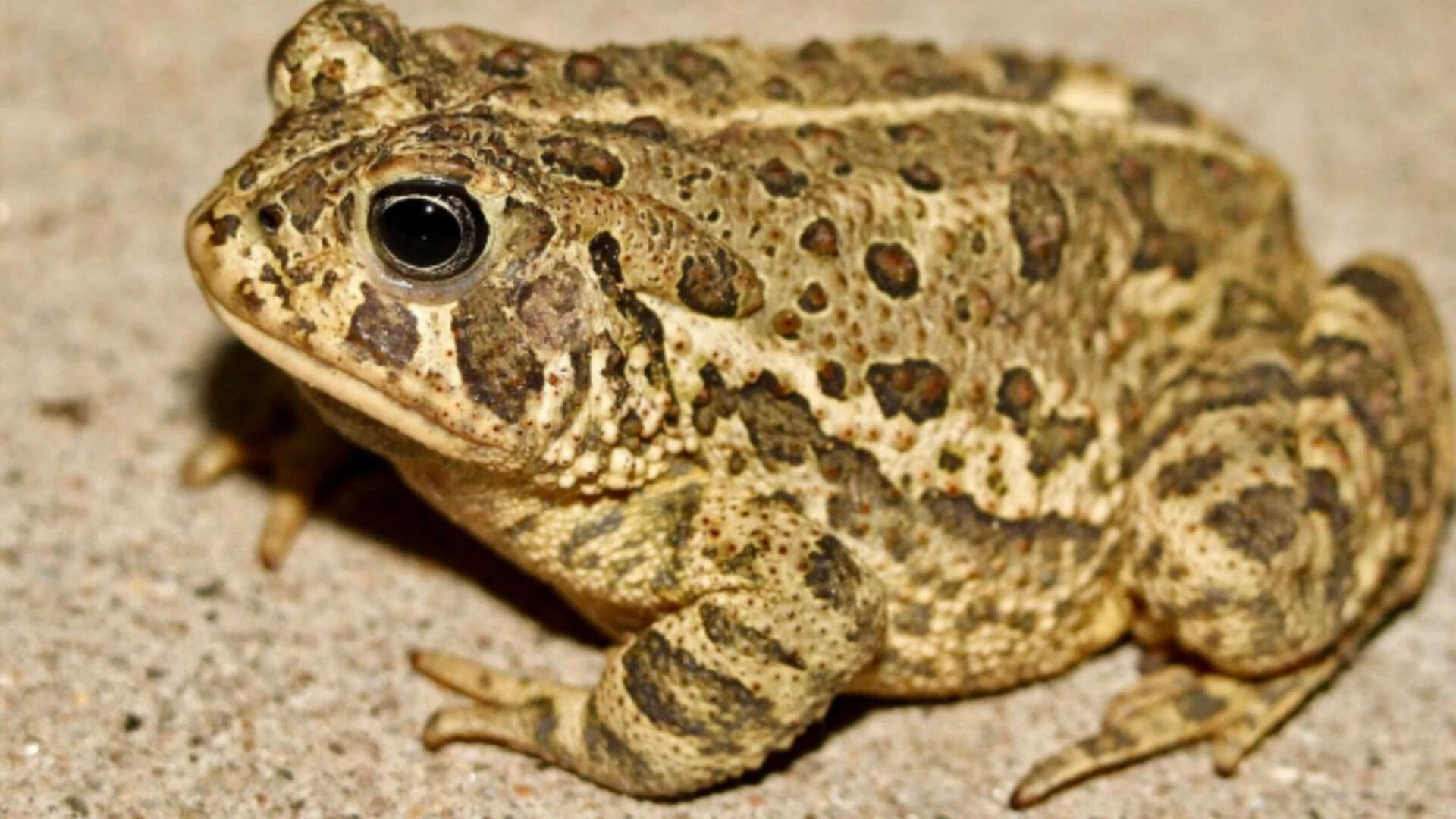
The documented reappearance of an adult male Woodhouse's toad (Anaxyrus woodhousii) at the 180-acre Las Vegas Springs Preserve after a 64-year absence highlights the structural mechanics of anthropogenic habitat destruction and ecological rewilding. The original Las Vegas Springs, an artesian system that sustained indigenous populations and subsequent urban development, experienced total hydrological failure around 1962 due to sustained groundwater extraction. The resultant collapse of the local riparian ecosystem eliminated key amphibian habitats, leading to localized extirpations of Anaxyrus woodhousii and the extinction of the Vegas Valley leopard frog (Lithobates fisheri).
The persistent loss of surface water disrupted two foundational ecological functions: successful larval metamorphosis and genetic connectivity between metapopulations. In desert environments, amphibian population persistence relies on ephemeral and permanent water bodies that serve as breeding sites. When groundwater pumping lowered the local water table below the root zone of native phreatophytes, surface cienegas dried completely, dissolving the biological infrastructure required for amphibian survival.
Groundwater Extraction ──> Hydrological Failure ──> Cienega Desiccation ──> Metapopulation Fragmentation
                                                                                 │
                                                                                 ▼
                                                                        Localized Extirpation
Biomechanical and Environmental Drivers of Recolonization
The single male Anaxyrus woodhousii recorded calling at the recreated Cienega wetland represents a case of stochastic dispersal rather than established population recovery. Evaluating this event requires quantifying the vectors of arrival, metabolic expenditure, and habitat suitability.
Vectors of Secondary Dispersal
Two primary structural pathways facilitate the movement of an urban-adapted amphibian into isolated municipal preserves:
- Subterranean Stormwater Channels: Urban runoff conveyed via concrete conduits, such as the Alta storm channel, provides a high-moisture corridor through non-viable concrete environments. These artificial drainages act as low-resistance subterranean pathways, protecting amphibians from thermal stress and desiccation while channeling passive migration toward artificial wetlands.
- Overland Dispersal via Microclimatic Pockets: Anaxyrus woodhousii exhibits high nocturnal mobility compared to other desert anurans, capable of traversing several hundred meters per night under optimal humidity conditions. Residential irrigation, manicured turf, and commercial drainage networks create stepping-stone microclimatic pockets across the urban grid, allowing movement across highly modified terrain.
Bioacoustic Signatures and Reproductive Energetics
The recorded vocalization of the male toad serves as a biological indicator of reproductive readiness, governed by strict bioenergetic trade-offs. Acoustic signaling in male anurans requires significant metabolic energy, consuming glycogen stores rapidly during sustained calling periods.
Bioenergetic Constraint: A solitary calling male incurs maximum metabolic expense while yielding zero reproductive output in the absence of a female responder. This creates a net energy deficit, shortening the individual's physiological viability if conspecifics do not arrive within the breeding window.
[Urban Runoff Channel] ──> Entry to Recreated Cienega ──> Acoustic Calling ──> Energy Depletion (No Mating)
                                                                 │
                                                                 └──> Potential Recruitment (If Females Arrive)
Structural Determinants of Amphibian Recolonization
To evaluate whether this single observation can scale into a stable, self-sustaining population, the ecosystem must fulfill three distinct biological criteria:
Hydrological Stability
The Cienega relies on urban runoff diverted through storm channels. This creates a dependency on municipal water discharge patterns, exposing the habitat to chemical contaminants, heavy metals, petroleum residues, and volatile flash-flood dynamics during monsoon events. Continuous water inflow is necessary to ensure tadpole metamorphosis, which requires 45 to 60 days of uninterrupted inundation.
Genetic Bottlenecks and Hybridization Pressures
Anaxyrus woodhousii in the Las Vegas Valley exhibits significant genetic overlap with Anaxyrus microscaphus (Arizona toad). Since 1976, extensive introgressed hybridization across Southern Nevada water systems has altered pure lineage dynamics.
- Founder Effects: A population established by a limited number of colonizers risks extreme genetic drift and low heterozygosity.
- Inbreeding Depression: Reduced fitness in offspring due to limited genetic variability increases susceptibility to pathogen outbreaks.
- Interspecific Competition: Introduced or hybrid lineages often exhibit superior resource capture rates in modified urban habitats, displacing non-hybridized individuals.
Habitat Complexity and Prey Availability
The Cienega wetland must supply both aquatic and terrestrial structural complexity:
- Subsurface Refugia: Deep loose soil, rodent burrows, or leaf litter layers necessary to prevent freeze mortality during winter dormancy and desiccation during summer heat extremes.
- Trophic Infrastructure: Sustained populations of terrestrial invertebrates, specifically coleopterans, hymenopterans, and dipterans, to satisfy adult caloric requirements.
- Predator Density Control: Managing urban-adapted mesopredators, including raccoons (Procyon lotor), wading birds, and invasive bullfrogs (Lithobates catesbeianus), which exploit concentrated amphibian populations in isolated urban wetlands.
Quantitative Assessment of Ecosystem Monitoring Protocols
The discovery was made through routine automated camera monitoring rather than targeted amphibian sampling, exposing systematic gaps in traditional urban ecology surveillance frameworks.
┌─────────────────────────┬───────────────────────────────┬──────────────────────────────┐
│ Monitoring Vector       │ Operational Mechanism         │ Analytical Limitations       │
├─────────────────────────┼───────────────────────────────┼──────────────────────────────┤
│ Motion-Triggered Trails │ Infrared motion sensors       │ Cold-blooded ectotherms fail │
│ Cameras                 │                               │ to reliably trigger heat-    │
│                         │                               │ sensitive PIR sensors        │
├─────────────────────────┼───────────────────────────────┼──────────────────────────────┤
│ Passive Bioacoustic     │ Automated audio recording     │ Captures vocal males only;   │
│ Recorders               │ arrays                        │ silent females and juveniles │
│                         │                               │ remain completely undetected │
├─────────────────────────┼───────────────────────────────┼──────────────────────────────┤
│ Environmental DNA       │ Water sample extraction and   │ High sensitivity, but cannot │
│ (eDNA) Analysis         │ PCR amplification             │ determine individual count,  │
│                         │                               │ age, or health status        │
└─────────────────────────┴───────────────────────────────┴──────────────────────────────┘
Relying on trail cameras yields a low detection probability for ectothermic organisms. Because passive infrared sensors detect thermal differentials between an object and its background, ambient desert temperatures frequently match or exceed the surface temperature of an amphibian, rendering the sensor ineffective.
Strategic Recommendations for Urban Amphibian Management
To convert isolated colonization events into resilient metapopulations within urban ecological preserves, management strategies must shift from passive monitoring to active intervention:
- Implement Environmental DNA Surveillance: Deploy quarterly eDNA sampling along the Alta storm channel and Cienega water bodies. This provides definitive presence/absence data for Anaxyrus woodhousii, Lithobates catesbeianus, and pathogenic aquatic fungi such as Batrachochytrium dendrobatidis without relying on visual observation.
- Establish Bioacoustic Monitoring Networks: Install automated recording units programmed with species-specific recognition algorithms to continuously monitor low-frequency nocturnal calls across the entire 180-acre property.
- Construct Subterranean Micro-Refugia: Install deep gravel beds and artificial hibernacula along urban runoff ingress points to reduce desiccation mortality during seasonal migration transitions.
- Mitigate Stormwater Toxicity: Integrate bioswales and sediment basins upstream of primary Cienega intake zones to filter heavy metals and automotive chemical compounds before water reaches sensitive larval development zones.
Strategic habitat design must account for urban connectivity rather than treating preserves as isolated sanctuaries. Expanding monitoring protocols to include eDNA and bioacoustics while actively managing water quality ensures that unexpected colonization events transition into viable biological populations.