Large-scale fiscal proposals floated during electoral cycles operate less as serious legislative blueprints and more as strategic signaling mechanisms. When political leadership introduces direct cash distribution concepts, the primary objective is altering media framing rather than executing immediate structural adjustments. Deconstructing these initiatives requires evaluating the underlying fiscal architecture, institutional constraints, and the divergence between public rhetoric and procedural reality.
The Fiscal Cost Function
A uniform cash payout of five thousand dollars directed to every American adult involves staggering arithmetic. With an adult population exceeding 260 million, the baseline cost of such an initiative scales beyond 1.3 trillion dollars. Funding a mechanism of this magnitude demands identifying a revenue source or accepting an immediate expansion of the national deficit.
Current federal outlays already face severe structural rigidity. Approximately three-quarters of federal spending is classified as mandatory, leaving discretionary spending as a narrow baseline. Proposing a trillion-dollar expenditure without detailing exact offsets creates a fundamental economic contradiction. Governments possess three primary levers for financing new expenditures:
- Raising existing tax structures across corporate or individual entities.
- Reallocating baseline discretionary appropriations from other federal agencies.
- Expanding sovereign debt issuance through Treasury bond markets.
When executive proposals bypass these mechanics, they function as symbolic policy instruments designed to dominate the news cycle rather than viable line items ready for committee markup.
Legislative Friction and Institutional Gates
The United States Constitution vests the power of the purse exclusively within the legislative branch under Article I. Executive announcements, regardless of how forcefully articulated, represent intent rather than execution.
Translating a direct payout proposal into law requires navigating multiple legislative chokepoints:
- Committee jurisdiction and fiscal scorekeeping via the Congressional Budget Office to determine real-world deficits.
- Floor debates within both the House of Representatives and the Senate, where razor-thin majorities increase individual legislative leverage.
- The budget reconciliation process, which requires strict adherence to fiscal rules if bypass of the filibuster is attempted.
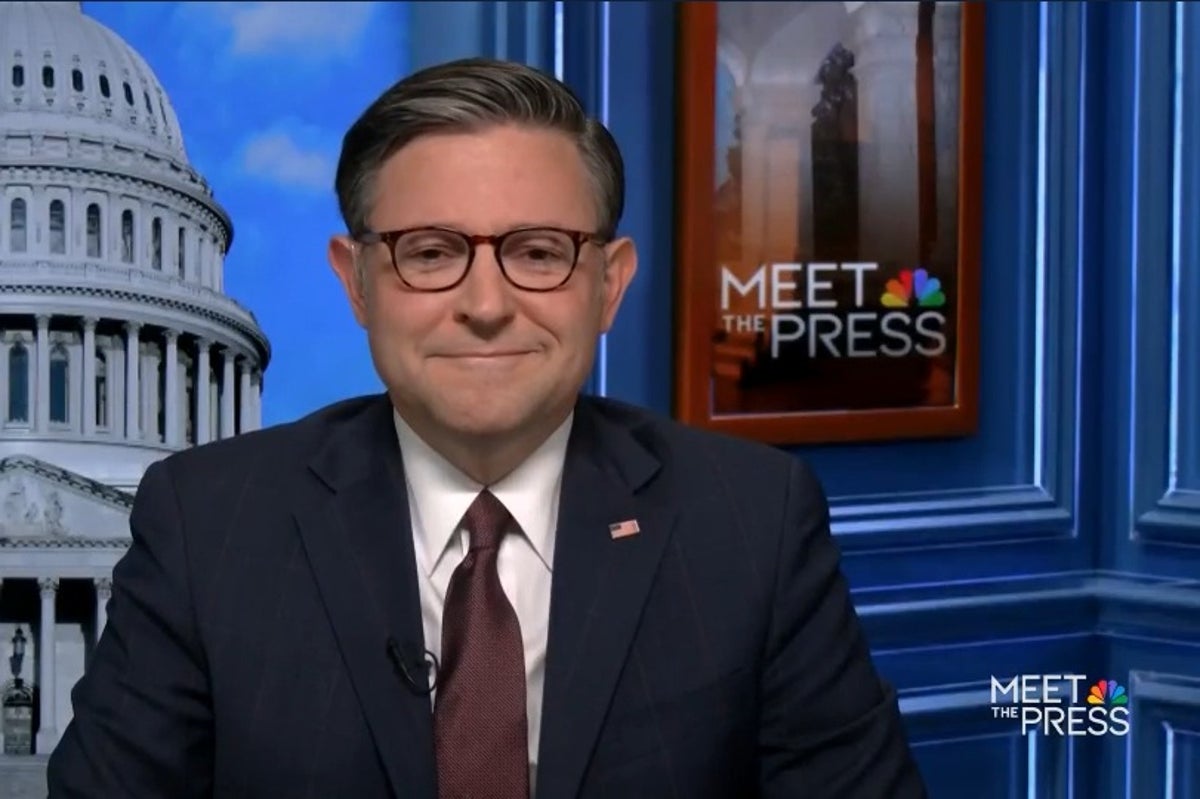
House Speaker Mike Johnson’s public positioning on these proposals illustrates the tactical divergence between executive signaling and legislative management. By labeling the proposal a creative idea while refusing to commit to concrete timelines or specific legislative vehicles, congressional leadership absorbs executive momentum without assuming fiscal liability. This approach maintains coalition cohesion while quietly shifting the burden of operational feasibility onto future legislative sessions.
Behavioral Incentives and Electorate Signaling
The strategic timing of broad fiscal promises immediately preceding midterm elections reshapes voter calculus. Voters evaluate economic policy through two competing lenses: immediate personal liquidity versus macroeconomic stability.
While direct cash infusions generate short-term utility for households operating under liquidity constraints, sophisticated participants within the political economy evaluate the secondary effects. Large-scale monetary expansions risk reigniting inflationary pressures, forcing the central bank to maintain higher interest rates to compensate for fiscal largesse. Consequently, any short-term cash benefit risks being neutralized by increased costs of capital, housing, and consumer goods.
Strategic Forecast
Proposals of this nature follow a predictable lifecycle. During active campaign phases, they maximize media visibility and establish a populist benchmark for economic relief. As legislative calendars resume, the initiative encounters institutional gravity—committee vetting, deficit scoring, and intra-party fiscal conservatism. The ultimate outcome is rarely the implementation of the raw proposal, but rather its dilution into targeted tax credits or its quiet retirement once the electoral incentive structure dissipates.
Mike Johnson defends Trump's $5K pledge
This video clip captures House Speaker Mike Johnson addressing the financial and procedural realities of the administration's proposed payout on Capitol Hill.


