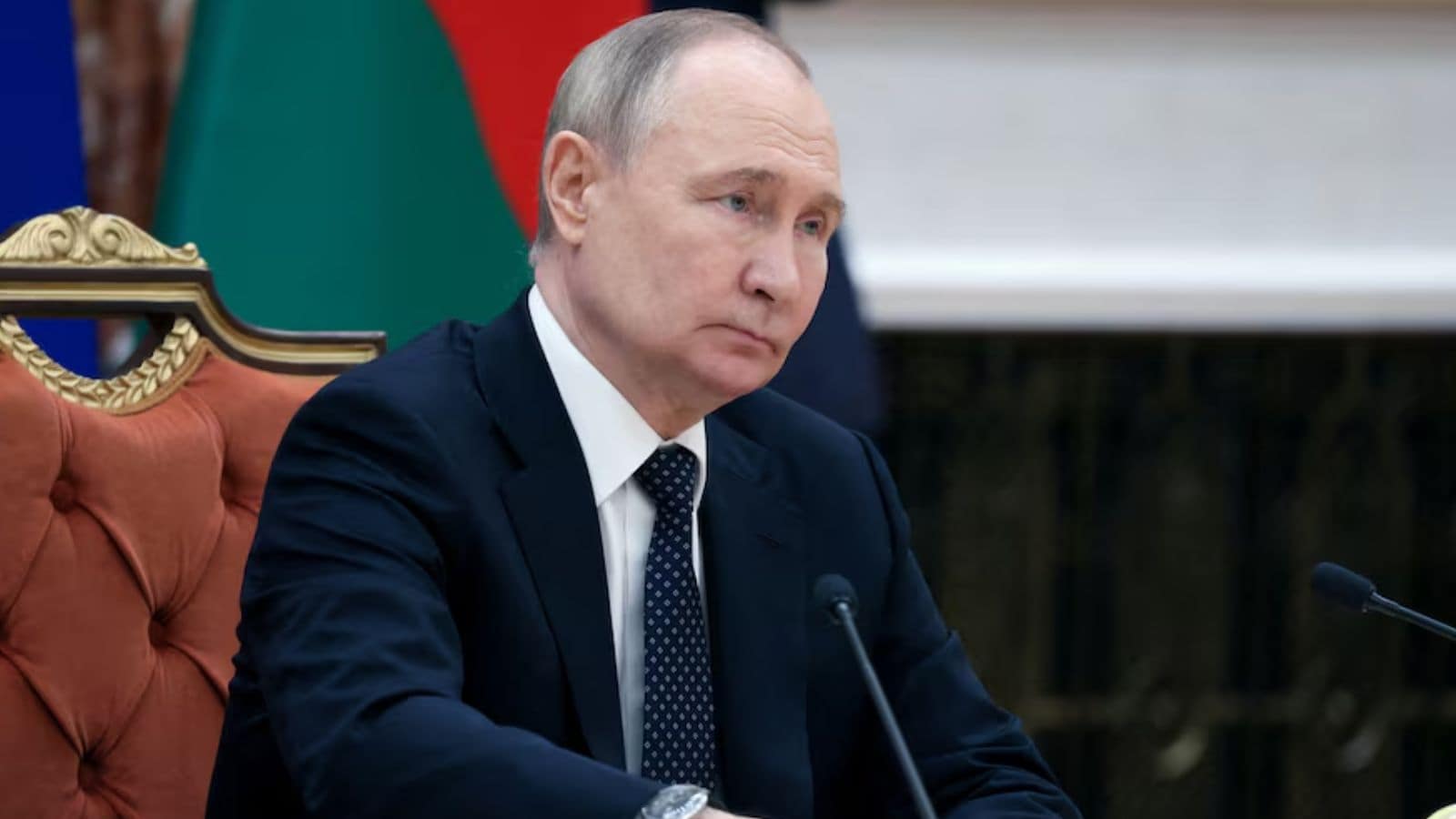
The Kremlin’s reaffirmation that its core conditions for a settlement in Ukraine remain unchanged from the parameters outlined in mid-2024 is not a mere statement of diplomatic stubbornness; it is an overt application of a structured attrition framework designed to exploit asymmetry in coalition endurance. By rejecting Kyiv's recent tactical overtures—specifically a mutual restriction on long-range strikes and a containment of active combat to the four contested oblasts—Moscow is signaling that its strategic objective remains total constitutional and territorial revision, rather than a frozen conflict or a localized truce. To evaluate this posture requires moving past the rhetoric of "unchanged stances" and instead dissecting the specific geopolitical mechanics, the cost-benefit calculations of the belligerents, and the systemic bottlenecks that govern the current theater of operations.
The current diplomatic impasse functions under a rigid tri-pillar logic established by the Russian state apparatus: mandatory territorial cessions, institutional neutrality enforced through the renunciation of alliances, and the systemic degradation of Ukraine's sovereign military capability.
The Three Pillars of Moscow Strategic Architecture
The structural baseline of the Kremlin's position relies on three non-negotiable vectors. Understanding these vectors explains why incremental compromises proposed by third parties or tactical battlefield shifts fail to alter the diplomatic calculus.
1. The Territorial Baseline Factor
The demand for a complete Ukrainian military withdrawal from the administrative borders of Donetsk, Luhansk, Kherson, and Zaporizhzhia oblasts represents a structural prerequisite that defies standard bargaining theory. Moscow treats these regions not as bargaining chips to be traded for concessions, but as constitutional components of the Russian Federation.
This creates an immediate legal bottleneck: from the perspective of Russian domestic law, conceding any portion of these territories constitutes an illegal alienation of sovereign land. Consequently, negotiations cannot begin until Ukraine yields territory it currently holds, transforming a potential peace process into a mechanism for managed capitulation.
2. Institutional Neutrality and the NATO Exclusion Zone
The insistence that Kyiv formally and constitutionally renounce its ambitions for NATO integration is designed to prevent the internationalization of Ukraine’s security architecture. By enforcing a vacuum of formal Western security guarantees, the framework ensures that any subsequent security arrangements remain strictly bilateral or mini-lateral, exposing Ukraine to asymmetric pressure in the long term.
The strategic goal here is the creation of a geopolitical buffer zone where the Western alliance lacks the legal infrastructure to station troops, establish logistics hubs, or deploy advanced kinetic systems.
3. Structural Demilitarization and Legal Disarmament
Often described under the opaque umbrella of "denazification and demilitarization," the underlying operational demand is a strict limit on the size, equipment, and command structure of the Ukrainian Armed Forces. This component mirrors the draft agreements explored during the Istanbul negotiations in early 2022.
The objective is to reduce Ukraine’s military posture to a domestic constabulary force, structurally incapable of conducting high-intensity defensive operations or projecting cross-border deterrence.
The Strategic Logic of Rejection: Deconstructing the Long-Range Strike Proposal
The recent rejection of the Ukrainian proposal for a mutual cessation of long-range strikes exposes the underlying cost functions driving Kremlin decision-making. On the surface, a mutual halt to strikes against energy infrastructure and logistics hubs would appear to benefit both nations. Russian domestic refining capacity and fuel infrastructure have sustained measurable disruption from Ukrainian long-range drone deployments.
However, an asymmetric calculation underpins the Kremlin’s refusal to accept this trade-off.
+------------------------------------------------------------------------+
|                      THE LOGISTICAL ASYMMETRY                         |
+------------------------------------------------------------------------+
|                                                                        |
|  [Russian Air & Missile Assets] ----> Continuous Deep Infrastructure   |
|                                       Degradation across Ukraine       |
|                                                                        |
|  [Ukrainian Drone Capabilities] ----> Tactical Interdiction of Western |
|                                       Russian Refineries & Depots      |
|                                                                        |
+------------------------------------------------------------------------+
|   Kremlin Calculation: The operational utility of unconstrained deep   |
|   strikes outweighs the economic friction of infrastructure damage.    |
+------------------------------------------------------------------------+
A mutual ban on long-range kinetic actions removes an area of vulnerability for Russia, but it completely strips Ukraine of its primary asymmetric tool for complicating Russian domestic logistics and energy economics. Moscow possesses a deep, state-subsidized military-industrial base capable of absorbing infrastructural friction.
The operational output of Russia's domestic arms production allows the state to tolerate localized fuel shortages and logistics bottlenecks while maintaining high artillery and missile deployment rates along the line of contact.
For Russia, accepting a mutual halt would normalize a tactical sanctuary for Ukrainian logistics, command centers, and Western hardware staging areas. By maintaining an open strike architecture, the Kremlin ensures that the rear echelons of the Ukrainian military face constant attrition, compounding the systemic ammunition and manpower deficits currently straining Kyiv's defensive lines.
Coalition Endurance and the Time Horizon Framework
The timing of the Kremlin's reinforced rigidity aligns with a calculated analysis of Western political cycles and alliance cohesion. Moscow operates on an extended time horizon framework, assuming that democratic states possess an inherent vulnerability: the inability to sustain high-cost, long-term resource allocations across shifting electoral landscapes.
- The Funding Chokepoint: Western security assistance packages require complex legislative approvals, leaving them vulnerable to domestic political polarization and economic fatigue.
- The Industrial Deficit: While Western defense production lines are scaling up, the rate of artillery shell and air defense missile manufacturing remains constrained by supply chain bottlenecks, creating a structural deficit relative to Russian output.
- The Strategic Divergence: Divergent risk tolerances within NATO regarding cross-border escalation create a fragmented support mechanism, allowing Moscow to exploit regional hesitation.
The strategic calculation is that by maintaining maximalist terms and demonstrating a willingness to absorb protracted material and human costs, Russia will eventually force a shift in Western consensus.
When the financial or political cost of underwriting Ukraine's defense crosses a specific threshold, international pressure will pivot from supporting a total Ukrainian victory to advocating for a pragmatic territorial compromise based on the prevailing line of contact.
Systemic Risks and the Failure Modes of Rigid Diplomacy
The primary limitation of the Kremlin’s zero-compromise architecture is its total reliance on battlefield momentum. If the Russian Armed Forces encounter structural limits—such as critical shortages of armored vehicles, localized command breakdowns, or unsustainable casualty rates—the diplomatic stance transitions from a position of strength to an unsustainable bluff.
Operational Vulnerability: A rigid diplomatic posture leaves no room for tactical de-escalation. If the state cannot deliver the required territorial captures through kinetic force, the gap between constitutional claims and administrative reality widens, undermining the credibility of the state’s deterrence model.
Furthermore, this unyielding stance accelerates the institutional integration of Ukraine into the European economic and security orbit, even outside of formal NATO membership. The absence of a viable diplomatic off-ramp forces Western allies to transition from ad-hoc crisis response to long-term, structural defense industrial partnerships with Kyiv. This creates a permanent, heavily fortified military frontier on Russia’s western flank, completely defeating the original strategic objective of securing a compliant, demilitarized buffer state.
The structural trajectory indicates that the conflict will not resolve through negotiated concessions in the near term. The baseline positions of both states remain fundamentally irreconcilable. Russia requires territorial capitulation and systemic disarmament as entry requirements for dialogue; Ukraine requires territorial integrity, accountability, and binding international security guarantees as prerequisites for a lasting peace.
The immediate path forward will be dictated entirely by the raw consumption of material, the mobilization efficiency of domestic populations, and the capacity of industrial supply chains to match the attrition rate of high-intensity, peer-level warfare.